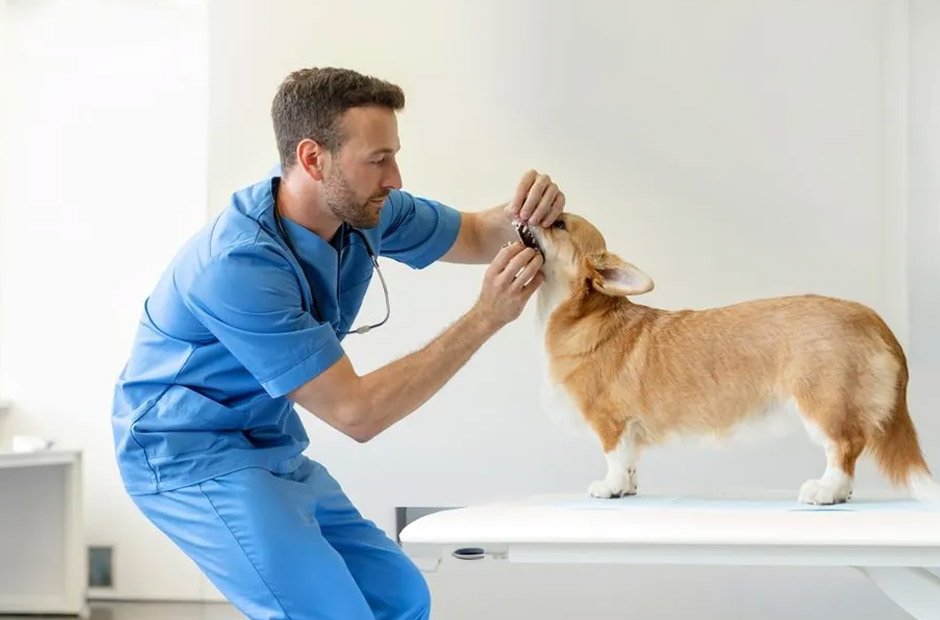
More pet owners now see that teeth and gums affect the whole body. You may notice bad breath, broken teeth, or bleeding gums in your pet and feel a sharp worry. You are not alone. Across the country, animal clinics report more calls, more questions, and more urgent visits for dental care. This pressure touches every veterinarian in Humble, TX and far beyond. Poor dental care can lead to pain, infection, weight loss, and behavior changes. It can also strain your home life. A pet that hurts may stop eating, snap without warning, or hide. These problems do not fade on their own. They grow. They scar. They can shorten a life. This blog explains why demand for dental care is rising, what that means for you, and how simple steps can protect your pet’s mouth, body, and daily comfort.
Why Dental Problems In Pets Are Rising
Pets live longer now. That gives more years for plaque, tartar, and wear to build. Many pets also eat soft food that sticks to their teeth. Treats add sugar. Busy days mean brushing often falls off the list.
At the same time, you hear more about pet health on news sites, in waiting rooms, and on social media. You learn that mouth disease is linked to heart, liver, and kidney trouble. You start to ask hard questions. You push for cleaner teeth and less pain. Clinics feel that push.
Research backs your concern. The American Veterinary Medical Association explains that most dogs and cats show some dental disease by age three. You can read more on the AVMA site at Pet dental care. This early damage often hides under the gumline. You may not see it until your pet cries out or stops eating.
How Dental Disease Hurts Your Pet
Disease in the mouth does more than stain teeth. It harms daily life. It can also shorten life. Three common paths stand out.
- Chronic pain from loose teeth and sore gums
- Spread of bacteria from the mouth to the heart and other organs
- Loss of weight and strength when eating hurts
You may see small changes at first. Your pet chews on one side. Food drops from the mouth. Toys lose their joy. Then the changes grow. Your pet may refuse dry food. Your pet may cry, paw at the face, or lash out when touched.
The U.S. Food and Drug Administration warns that oral infections in pets can move through the blood and reach organs. You can review their guidance at Keep your pet’s smile healthy. That spread can mean heart murmurs, kidney strain, and high medical costs.
Why Animal Clinics Feel New Pressure
As more owners seek cleanings and extractions, clinics must adjust. They face three main pressures.
- Need for more trained staff for dental work
- Need for modern equipment for imaging and cleaning
- Need for longer visits to explain home care
Dental work for pets is not a quick polish. It often needs full anesthesia, X-rays, and careful charting of each tooth. That means more time in the surgery rooms. It also means more support staff. Clinics must balance this with vaccines, urgent care, and surgery for injuries.
Common Dental Problems Seen In Clinics
Many pets arrive with the same patterns of damage. The table below shows some common problems, how often they appear, and one sign you might see at home.
| Dental problem | How common in adult pets | Sign you may notice
|
| Gum disease | Very common in dogs and cats over 3 years | Red or swollen gums that bleed during chewing |
| Tooth fracture | Frequent in active chewers | Sudden refusal of hard toys or treats |
| Tooth resorption in cats | Common in middle aged cats | Jaw shiver or cry when a tooth is touched |
| Heavy tartar buildup | Common in small breeds | Brown or yellow crust on teeth |
| Oral infection or abscess | Less common but serious | Facial swelling or foul smell from the mouth |
What You Can Do At Home
You cannot control every problem. You can still lower the risk. Three steady habits help most.
- Daily or regular tooth brushing with pet-safe paste
- Use of approved dental treats or diets
- Yearly oral exams at your clinic
Start brushing slowly. Let your pet lick the paste from your finger. Then, touch teeth with a soft brush for a few seconds. Add time over days. Keep each session calm and brief. Praise your pet. End on a good note.
Ask your clinic about treatments and rinses that truly help. Many products claim benefits. Only some have strong testing behind them.
When To Call Your Clinic Right Away
Some signs mean you should not wait for a routine visit. Call your clinic soon if you see any of these.
- Refusal to eat for a full day
- Blood in the water bowl or on toys
- Sudden swelling of the face or jaw
- Loose or missing teeth you did not expect
- Strong odor from the mouth that seems new
Quick care can stop more serious damage. It can also ease fear for you and suffering for your pet.
How To Work With Your Veterinarian
You do not need to know every term. You only need to ask clear questions and share what you see at home. Three simple steps help.
- Bring a list of changes in eating, chewing, or mood
- Ask for a mouth exam at each wellness visit
- Request a written plan for home care and follow up
During visits, ask what each finding means for pain, for daily life, and for long-term health. Ask what happens if you wait. Ask what you can do this week to ease strain on your pet’s mouth.
Why Your Attention Matters
Rising demand for dental care in animal clinics shows a hard truth. Many pets have suffered in silence. Your attention changes that path. When you watch for small signs, seek care early, and keep simple habits at home, you give your pet a stronger, calmer life.
Your pet depends on you for every meal, every walk, and every choice about health. Your steady care of teeth and gums protects far more than a smile. It protects comfort, trust, and the quiet bond you share each day.