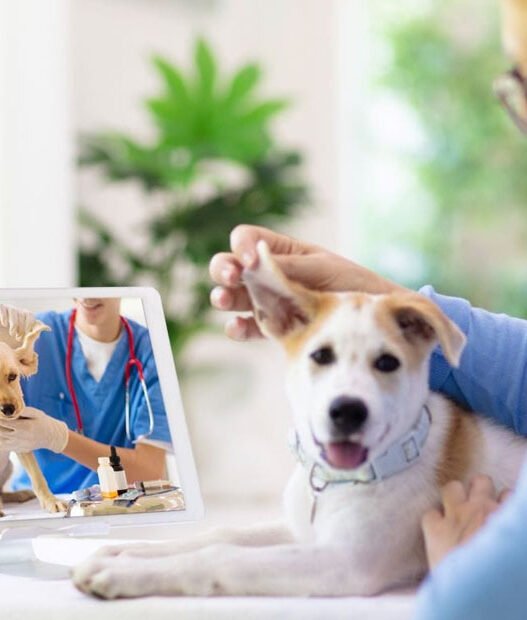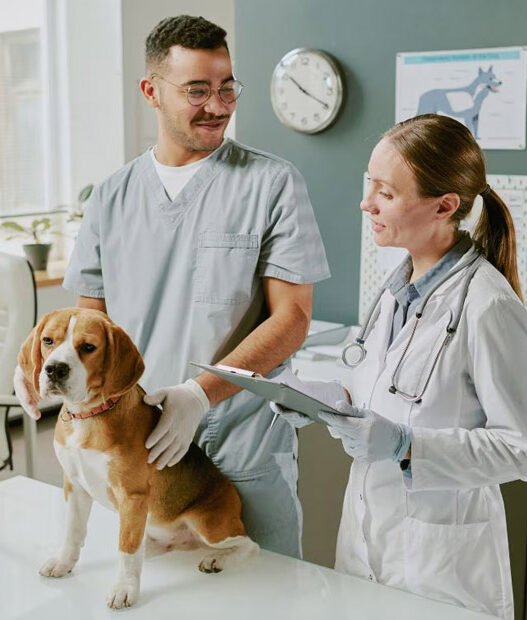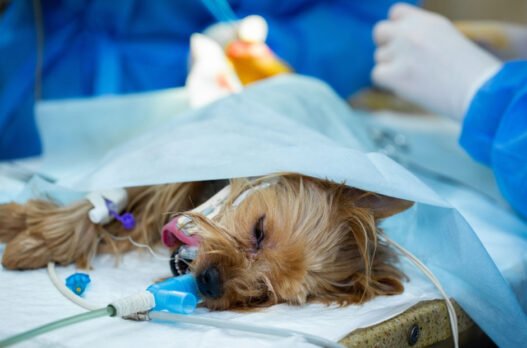
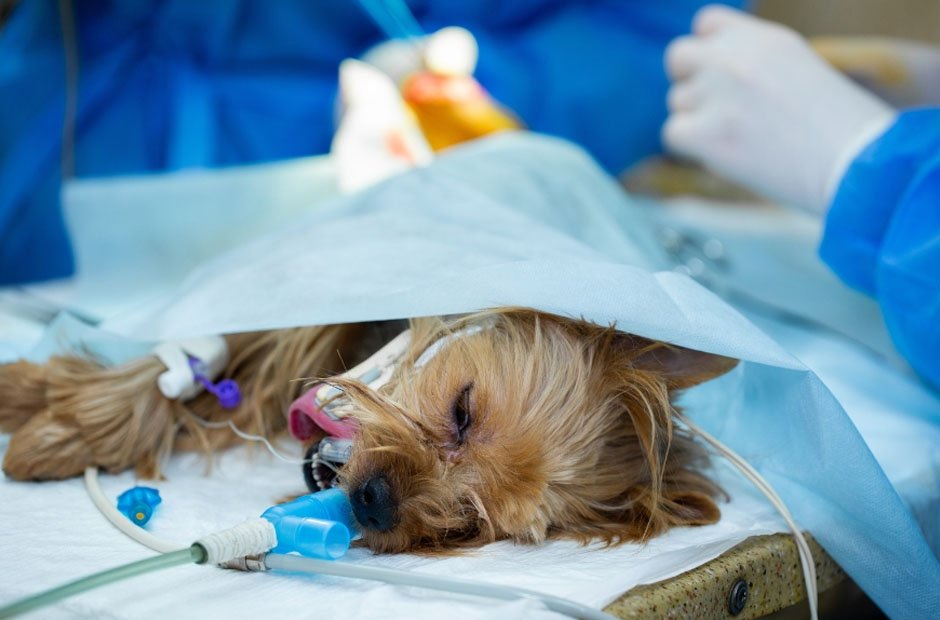
Surgery on an animal is a hard moment. You worry about pain, risk, and what happens when your companion is out of your sight. Strong surgical safety protocols protect your animal when you cannot. Careful checks before, during, and after surgery lower the chance of infection, bleeding, and sudden problems. They also help the team act fast when something goes wrong. Every step matters. Clean tools. Clear roles. Honest records. Careful follow up. These are not extras. They are the core of safe surgery. When you look for a veterinarian in North York, you should ask how the clinic handles surgery. You deserve clear answers. Your animal deserves safe hands. This blog explains the key parts of surgical safety in plain language. It gives you questions to ask and signs of strong practice so you can walk into any clinic with more trust and less fear.
Why surgical safety protocols matter
Surgical safety protocols are simple written steps that every team member follows every time. They protect your animal from three main harms.
- Infections from germs on tools, hands, or surfaces
- Complications from anesthesia or pain medicine
- Human mistakes during stressful moments
Human hospitals use safety checklists to cut deaths and serious harm. The World Health Organization reports large drops in problems when teams use basic checklists. Veterinary clinics use the same kind of habits. The science is clear. Routine safety steps save lives.
You cannot control what happens in the surgery room. You can control the standards you expect. You can ask clear questions. You can choose a clinic that treats safety as non‑negotiable.
Key parts of safe veterinary surgery
Safe surgery follows a clear rhythm. Before. During. After. Each stage has checks that protect your animal.
Before surgery
- Pre‑surgery exam. The team checks heart, lungs, weight, and medical history. They confirm food and water limits before anesthesia.
- Blood tests. These tests show how the kidneys, liver, and blood cells work. They help the team choose the safest drugs and doses.
- Informed consent. The team explains the procedure, risks, costs, and options. You sign only after your questions are answered.
- Identification check. The team confirms your animal’s name, procedure, and side of the body. They mark the site if needed.
The American Veterinary Medical Association gives clear guidance on pre‑surgery exams and testing.
During surgery
- Sterile tools and space. All tools are cleaned and sterilized. Staff wear gloves, caps, and masks. The surgery room stays closed and calm.
- Trained anesthesia staff. A veterinarian or trained technician watches your animal from start to finish. No one leaves them alone.
- Monitoring equipment. The team tracks heart rate, breathing, blood pressure, and temperature. They record readings at set times.
- Time‑out pause. Before the first cut, the team stops. They confirm patient, procedure, and site out loud.
After surgery
- Recovery watch. Staff stay with your animal during wake‑up. They check breathing, gum color, and pain signs.
- Pain control. The team uses a plan that fits your animal’s size, age, and health. They explain how to give medicine at home.
- Discharge instructions. You get clear written steps on food, activity, wound care, and warning signs.
- Follow‑up visit. The clinic schedules a recheck to remove stitches if needed and check healing.
How safety protocols cut risk
Safety protocols turn chaos into order. They do three powerful things.
- They reduce infections through strict cleaning and barrier methods.
- They catch small changes early through steady monitoring.
- They prevent confusion through clear roles and spoken checks.
The United States Centers for Disease Control and Prevention explains how sterile technique and hand hygiene cut infections in human surgery. The same science applies to your animal.
Example checklist items you can ask about
You do not see the surgery room. You can still ask about the clinic’s checklist. Here is a sample of what strong clinics use.
| Stage | Key safety step | Question you can ask
|
| Before | Pre‑surgery exam and blood work | “Will you do an exam and blood tests before anesthesia for my animal’s age and health?” |
| Before | Fasting check | “How long should my animal go without food and water before surgery?” |
| During | Dedicated anesthesia monitor | “Who will watch my animal’s anesthesia the whole time?” |
| During | Monitoring equipment | “What equipment do you use to track heart, breathing, and temperature?” |
| After | Pain control plan | “What is your plan to control pain during and after surgery?” |
| After | Written home care | “Will I get written instructions and an emergency contact number?” |
Signs of a safe veterinary clinic
When you walk into a clinic, you can watch for simple signs. You do not need medical training. You only need a clear eye and a few minutes.
- Clean waiting room and exam rooms
- Staff who wash hands between patients
- Clear labels on cages and charts
- Staff who explain things in plain language
- Written estimates and consent forms
- Willingness to show you the surgery and recovery spaces from a safe spot
You can also ask how often the team trains together. You can ask if they run drills for emergencies like allergic reactions or breathing trouble. A strong clinic will answer without defensiveness.
Questions to ask your veterinarian
Before you agree to surgery, you can ask three core questions.
- “What specific risks does my animal face, and how do you reduce each one?”
- “What is your protocol if something goes wrong during surgery?”
- “How should I prepare my home for recovery, and what warning signs should make me call you right away?”
Clear answers build trust. Hesitation or vague replies are warning signs. Your animal cannot speak. You speak for them. Strong questions are part of that duty.
Taking the next step
Surgery will never feel easy. It can feel safer when you know what to look for. Protocols turn fear into a plan. Clean tools. Careful checks. Steady watching. Direct talk. When you demand these habits, you protect the animal who depends on you. You also help raise the standard for every family that walks through that same clinic door.