
In the modern construction industry, enhancing efficiency while reducing waste is not just an environmental imperative, but an economic necessity. With over 67,000 commercial construction businesses operating in the United States alone, the aggregate impact of material waste can be profound. Effective strategies in waste reduction can lead to significant cost savings and remarkable operational efficiency, ultimately proving beneficial both to construction companies and to the environment.
The volume of waste generated by construction and demolition is substantial, with the Environmental Protection Agency estimating approximately 600,000 tons of debris every year. This staggering statistic underscores the urgent need for the industry to take proactive steps in waste management. By implementing the right measures, companies can minimize this waste, ensuring materials are used more efficiently and sustainably.
Moreover, studies reveal that up to 30% of all building materials destined for a construction site may end up as waste. This not only represents a considerable loss in resources but also translates to higher project costs and environmental impact. This article will explore essential strategies for reducing material waste while improving efficiency on construction sites.
Implementing Efficient Material Management Practices
One of the most effective ways to reduce material waste in the construction industry is through improved material management practices. Implementing an inventory management system can help track materials from acquisition to utilization, minimizing the risk of over-ordering. Proper storage facilities and logistics planning also play a crucial role in ensuring materials are preserved in their best condition and used effectively before they degrade or become obsolete.
Moreover, adopting a just-in-time delivery approach can significantly contribute to reducing excess materials at construction sites. This approach allows companies to receive materials precisely when they are needed, reducing the risk of damage or deterioration due to prolonged storage. By aligning procurement with project timelines, companies can reduce waste and control costs more effectively.
Collaborative planning and communication between suppliers, contractors, and project managers are vital components of a successful material management strategy. Ensuring that all parties involved are well-informed about material specifications, quality standards, and project scheduling can prevent misunderstandings that often lead to material wastage. This collaborative effort ensures that materials are utilized efficiently and are only ordered as required.
Leveraging Technology for Waste Reduction
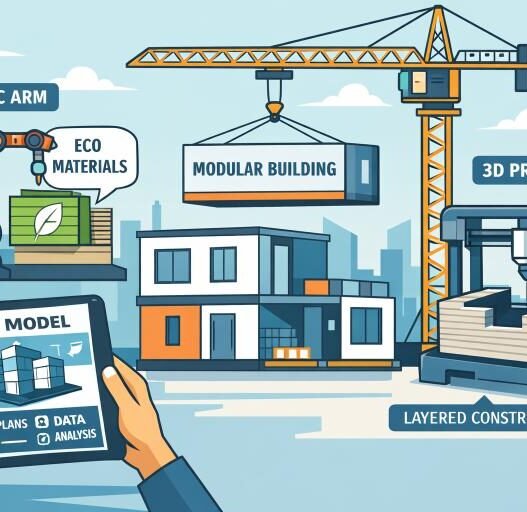
The integration of technology in construction can greatly enhance waste reduction efforts. Building Information Modeling (BIM) is one such technological advancement that allows for detailed planning and accurate forecasting of materials needed for a project. BIM’s ability to coordinate designs digitally reduces errors and rework, helping to ensure that only necessary materials are ordered and used.
Additionally, digital procurement platforms can streamline the supply chain, facilitating efficient ordering processes while monitoring real-time inventory levels. By leveraging these technologies, construction companies can maintain optimal stock levels and reduce surplus materials, thus cutting down on waste. These platforms can also provide insights into supplier performance, enabling better strategic sourcing decisions.
Moreover, implementing job-site sensors and IoT devices can offer construction managers visibility into material usage and site conditions. Data collected from these devices can be analyzed to optimize use efficiency, identify patterns of waste, and develop strategies to mitigate wasteful practices. The insights gained from data analytics can empower managers to make informed decisions, significantly reducing unnecessary material consumption.
Adopting Sustainable Construction Practices
Embracing sustainable practices is a critical approach to minimizing waste and improving efficiency in the construction sector. One effective method is the use of prefabricated and modular building components, which can be manufactured with precision, resulting in less waste on-site. These components can also be reused or recycled for future projects, further enhancing sustainability efforts.
Construction companies are also encouraged to develop and follow a waste management plan tailored to each project. This plan should include setting waste reduction goals, identifying recyclable materials, and establishing processes for sorting and recycling waste. Such practices not only reduce environmental impact but can also lead to cost savings on waste disposal and material procurement.
The industry can also benefit from incorporating materials that have a lower environmental footprint, such as recycled items or products sourced from sustainable resources. By deliberately choosing eco-friendly materials and construction practices, companies can contribute to a more sustainable future. This approach aligns economic objectives with environmental responsibility, promoting a culture of efficiency and sustainability within the industry.
Conclusion
By implementing efficient material management, leveraging technology, and adopting sustainable construction practices, the construction industry can significantly reduce its material waste and enhance its operational efficiency. With concerted efforts towards these strategies, businesses can achieve financial savings and promote a more sustainable environment. As the industry continues to evolve, integrating these approaches will become increasingly vital for meeting both economic and ecological goals.