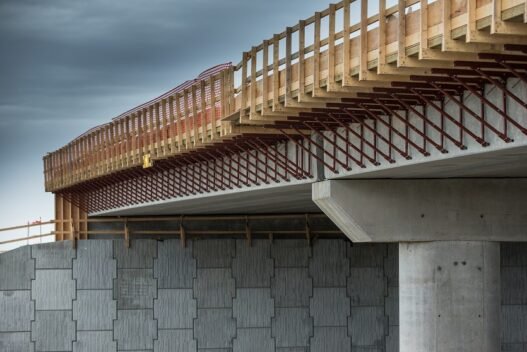
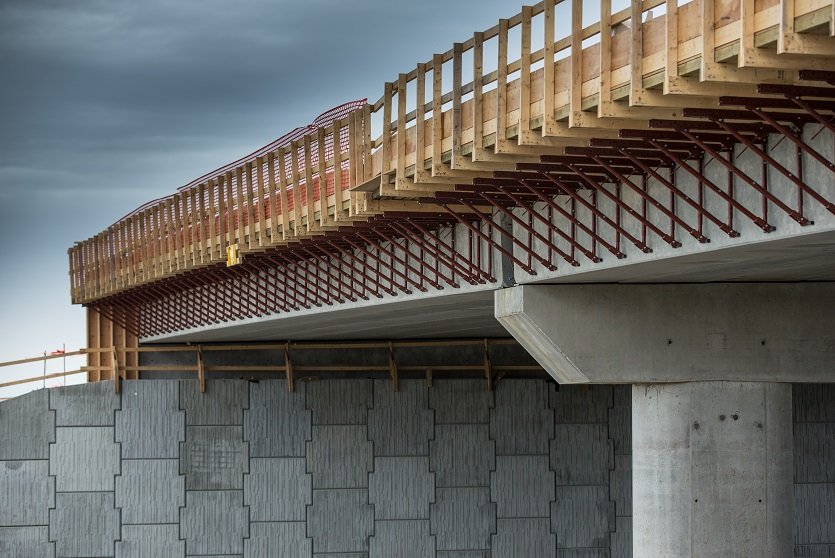
As you probably know already, bridge abutments are among the most critical structural elements in any kind of a bridge system. We are talking about those structures that act as the foundation at each end of the bridge, thus supporting the superstructure, while also retaining the surrounding soil. So, when you are looking to build strong abutments, you will absolutely need to, well, find and choose the right materials for them. Read more on what it is.
Choosing the right materials is important because it affects safety, durability, as well as, of course, cost-efficiency. So, whether you are a contractor, an engineer, or you’re simply exploring infrastructure design, there is absolutely no doubt that you have to understand how to find and choose the right materials, as that will make a huge difference in the overall success of your project. And, well, if you’re ready to learn, then you have come to the right place, because that is precisely what we are going to be talking about today.
Before we get to the part of sharing tips on how you can make this choice, though, let us first make sure that you understand what bridge abutments actually are and why they matter so much. To cut right to the chase, these are designed to transfer loads from the bridge deck to the ground, while at the same time acting as, well, retaining walls. The idea is for them to withstand the vertical loads from the traffic and the bridge, but also the lateral forces from the soil pressure and the environmental conditions, including seismic activity and water flow.
The above clearly means that a well-designed abutment will ensure structural stability, as well as prevent soil erosion, and, of course, extend the lifespan of the entire bridge. This means that poor material selection can put the overall structure in danger, leading to premature failure, to safety risks, and to increased maintenance costs. Since you don’t want that to happen, you want to know precisely how to choose and get the right materials for the bridge abutments you are building. So, let us now start talking about that in a bit more details.
Consider the Load-Bearing Capacity
Okay, unsurprisingly, you have to start with choosing the material that will be strong enough to support the weight of the actual bridge, as well as the loads that it will carry over time. We are talking both about the static and the dynamic loads, of course. So, when you want to build great bridge abutments, you have to consider the load-bearing capacity of the materials you are choosing. And you have to choose ones that will be able to support the actual weight.
Keep the Environmental Conditions in Mind
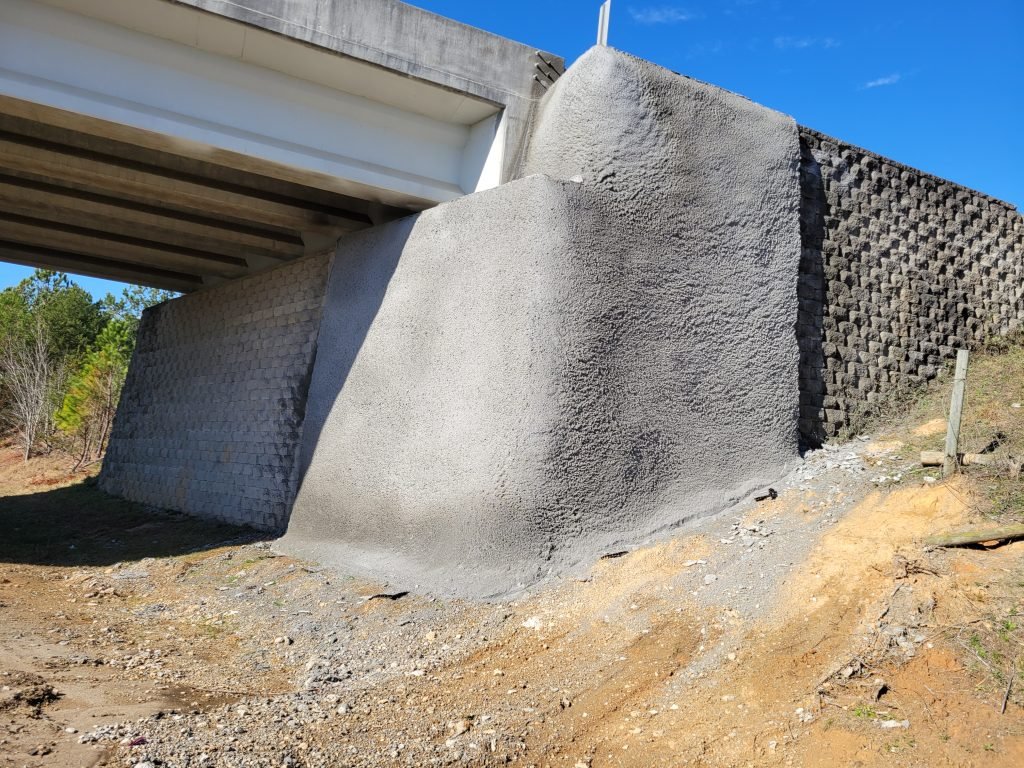
Moving on, you will also have to consider the environmental conditions. After all, bridge abutments are sure to be exposed to harsh environments. We’re talking temperature fluctuations, moisture, freeze-thaw cycles, as well as chemical exposure, such as road salts. All of those can degrade the materials as time passes, so you have the task to choose those that will be able to withstand such conditions.
Take Construction Time Into Account
You should also take construction time into account when trying to make this choice. I suppose you know already that some materials allow for faster installation, and steel sheet piles are gaining popularity due to that, as well as due to their versatility. They can reduce construction time, while performing well in challenging soil conditions, and they can also minimize environmental disruption. So, think about how much the construction time matters to you and then choose something that can support the on-time completion of your project.
Think About Maintenance and Longevity
Apart from all of the above, you should also take some time to think about the maintenance and the longevity of the abutments. That is, you have to choose materials that are durable, as that will reduce the need for frequent repairs. Not to mention that you want to choose those that will perform well in the long run, as that is undoubtedly of crucial importance. In short, you want longevity, and you want easy maintenance.
Read more about these structures in general: https://www.sciencedirect.com/topics/engineering/abutments-bridge
Choose the Right Supplier
Finally, what you have to do is, well, choose the right supplier. That is, the right company that will provide you with the steel sheet piles or any other materials you want to get, and that will provide you with great quality products. Take your time, therefore, to carefully research different companies selling what you want to buy, check their experience, their reputation, the types of products they are selling, as well as the prices, and anything else you need to know before making your final choice. Then, once you’ve found the perfect company for yourself, simply partner up with them and get the products you need.