Key Takeaways
- Tree stumps can be removed through various methods, including natural decomposition, manual removal, and professional services.
- Eco-friendly approaches, such as using Epsom salt or encouraging natural decay, minimize environmental impact.
- Repurposing stump mulch contributes to sustainable landscaping practices.
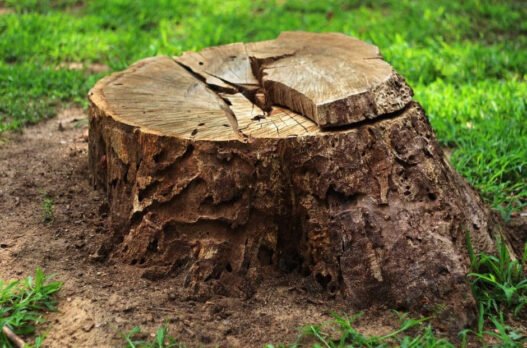
Removing tree stumps from your yard is more than an aesthetic choice; it’s a crucial step toward maintaining a safe, healthy landscape. Leftover stumps can pose tripping hazards, attract pests, and hinder new plant growth. Fortunately, there are several safe and sustainable methods to address this issue. For professional assistance, Tree Care Inc. offers comprehensive tree trimming services, including stump removal and grinding, across multiple locations such as Louisville, Nashville, Lexington, Indianapolis, and Tampa.
Understanding the Risks of Leftover Tree Stumps
Leaving tree stumps in your yard can lead to several problems:
- Safety Hazards: Stumps can be tripping hazards, especially for children and the elderly.
- Pest Infestation: Decaying stumps attract insects like termites and ants, which can spread to healthy plants and even your home.
- Obstructed Landscaping: Stumps can interfere with mowing and other landscaping activities, limiting your yard’s usability.
Eco-Friendly Stump Removal Methods
Opting for environmentally friendly stump removal techniques benefits both your yard and the planet. Here are some sustainable options:
Natural Decomposition
Allowing a stump to decompose naturally is the most eco-friendly method, though it requires patience. To accelerate the process:
- Drill holes into the stump’s surface.
- Fill the holes with water and a nitrogen-rich material, such as compost or manure.
- Cover the stump with mulch to retain moisture and promote microbial activity.
This method can take several months to a few years, depending on the stump’s size and wood type.
Manual Removal
For smaller stumps, manual removal is a viable option:
- Use a shovel to dig around the stump, exposing the roots.
- Cut through the roots with an axe or saw.
- Leverage the stump out of the ground using a pry bar.
This method is labor-intensive but avoids the use of chemicals and heavy machinery.
Stump Grinding
Stump grinding involves using a machine to shred the stump into wood chips. This method is efficient and minimizes soil disturbance. The resulting mulch can be repurposed for landscaping, promoting sustainability. For example, companies like Crawford Stump Grinding advocate for recycling stump mulch to enrich soil and support healthy landscapes.
Repurposing Stump Mulch
After stump grinding, the leftover wood chips can be used as mulch in your garden beds. This practice:
- Suppresses weeds
- Retains soil moisture
- Enriches the soil as the mulch decomposes
By repurposing stump mulch, you reduce waste and contribute to a more sustainable yard.
Additional Sustainable Uses for Stump Debris
Besides mulching, there are creative, eco-conscious ways to use stump remnants. Larger wood chunks can be cut into rustic garden furniture, such as natural stools or stepping stones. Smaller wood pieces serve well for garden pathways, helping prevent soil erosion and adding a charming touch to your landscape. Some homeowners turn leveled stumps into decorative features, placing planters or bird feeders atop them. This approach not only recycles the stump but also introduces biodiversity by attracting pollinators and songbirds.
Tree stumps can also be used in hugelkultur, a form of raised-bed gardening in which decaying wood and other organic matter create a nutrient-rich mound. This technique enriches the soil with organic matter, retains water, and encourages beneficial fungi and insects, supporting a healthier garden ecosystem.
The Importance of Eco-Friendly Methods
Chemical stump-removal agents, though sometimes effective, often contain synthetic compounds that can contaminate groundwater and harm local flora and fauna. Opting for manual, mechanical, or natural methods reduces chemical runoff, supporting a thriving and balanced ecosystem around your home. Integrating eco-friendly practices demonstrates a commitment to environmental stewardship and can inspire neighbors to adopt similar approaches in their yards, benefitting the broader community.
Preventing Future Stump Issues
The best way to prevent future stump-related problems begins before the tree is felled. When planning tree removal, coordinate with professional arborists to ensure the entire tree, including the root system, is addressed properly. Monitoring your yard and removing diseased or dead trees promptly prevents decay from spreading to other areas. Selecting native tree species for new plantings further supports regional biodiversity and often reduces future maintenance requirements, as these species are generally more resistant to local pests and diseases.
When to Seek Professional Help
While DIY methods for stump removal may work in some instances, professional help is essential in specific situations. This includes cases involving large or hard-to-remove stumps, where experts possess the necessary equipment and expertise for safe removal. Additionally, stumps located near structures or utility lines require careful handling to avoid damage. Professionals can also expedite the process, saving time and effort.
Tips for Choosing a Sustainable Tree Service
When hiring professionals, select companies committed to sustainable practices. Inquire whether they recycle stump debris, use environmentally safe disposal methods, and offer on-site advice on repurposing materials. Established companies, such as Tree Care Inc., not only provide certified and insured services but also often offer guidance on eco-friendly yard care after stump removal.
Conclusion
Addressing tree stumps in your yard is essential for safety and aesthetics. By choosing eco-friendly removal methods and repurposing the resulting mulch, you can enhance your landscape sustainably. Whether you opt for natural decomposition, manual removal, or professional services, taking action ensures a healthier and more enjoyable outdoor space. Ultimately, embracing sustainable stump solutions protects your investment in your home and safeguards the environment for future generations.