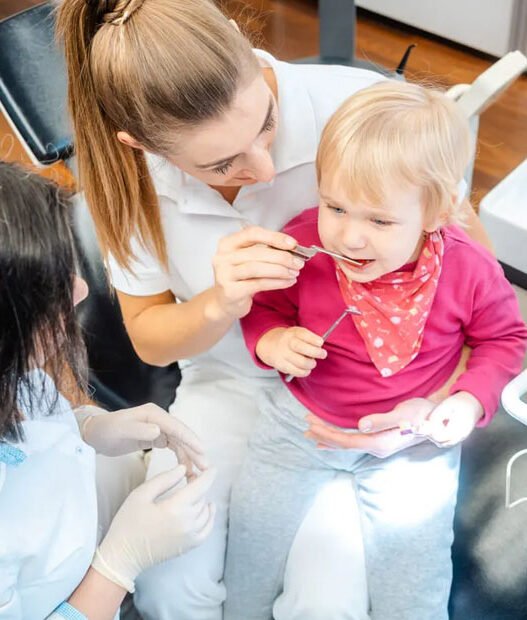

Many parents hear myths about baby teeth from family, social media, and even other parents. These stories can seem harmless. They are not. Baby teeth guide speech, eating, and jaw growth. They also protect your child from pain and infection. When you ignore them, small problems grow fast. You may think cavities in baby teeth do not matter, or that brushing can wait. You may also believe that sugar is the only cause of tooth decay. Each of these myths puts your child at risk. You deserve clear facts that cut through confusion and fear. You also need simple steps you can use at home. A trusted dentist in Killeen, TX can help you spot problems early and plan care that fits your child. The truth about baby teeth is simple. When you protect them now, you protect your child’s health for many years.
Myth 1: “Baby teeth do not matter because they fall out anyway”
Baby teeth hold space for the adult teeth. They act like markers that guide where and how the adult teeth grow in. When a baby tooth comes out too early, nearby teeth can shift. This shift can block the adult tooth or twist it.
Early loss of baby teeth can lead to
- Crooked adult teeth
- Bite problems that cause jaw pain
- Chewing problems that affect growth
The Centers for Disease Control and Prevention reports that cavities in baby teeth are common in young children. These cavities can cause an infection that spreads to the face and body. They can also lead to missed school and trouble eating.
You protect your child when you treat baby teeth like permanent teeth. You brush them. You limit sugar. You schedule regular checkups. You ask for help when you see spots, chips, or swelling.
Myth 2: “Cavities in baby teeth do not need treatment”
A cavity is an infection. It eats through the tooth layer by layer. It does not hurt because the tooth will fall out one day. It keeps going. It reaches the nerve. It spreads to the gums and jaw.
When you leave a cavity untreated, your child can face
- Constant tooth pain
- Trouble chewing many foods
- Sleep problems from pain at night
- Speech problems from missing or painful teeth
The infection can spread to the adult tooth that waits under the baby tooth. This can cause spots or defects on the new tooth. It can also cause more cavities later.
Timely treatment keeps the tooth strong until it is ready to fall out on its own. It also protects your child from fear. A short visit for a small filling is easier than an emergency visit for a swollen face and severe pain.
Myth 3: “Only sugar causes tooth decay”
Sugar feeds the germs in your child’s mouth. The germs turn sugar into acid. The acid weakens the tooth surface. Over time, it creates a cavity. That part is true. The myth is that sugar is the only problem.
Tooth decay also depends on
- How often your child eats or drinks
- How long food and drinks stay on the teeth
- How well and how often you brush with fluoride toothpaste
- The natural strength of the tooth surface
Many drinks that seem safe hurt teeth. Juice, sports drinks, and flavored waters can bathe the teeth in sugar and acid. Constant sipping keeps the teeth under attack.
Common Drinks and Their Effect on Baby Teeth
| Drink | Typical Sugar Content | Effect on Baby Teeth |
| Water | None | Rinses teeth and supports a clean mouth |
| Milk | Natural sugar | Safe with meals. Harmful when sipped all day or at night |
| 100 percent fruit juice | High | Raises cavity risk when offered often or in a bottle or sippy cup |
| Soda and sports drinks | Very high | High cavity risk and weakens tooth surface |
The National Institute of Dental and Craniofacial Research explains that both sugar and how often a child eats or drinks affect decay. You lower your risk when you offer water between meals. You also lower risk when you keep juice and sweet drinks rare and serve them with food.
Myth 4: “You can wait to brush until all baby teeth come in”
Tooth care starts with the first tooth. You do not wait for a full set. Germs do not wait. They stick to the first tooth. They form a film. They start to damage the surface.
Use this simple plan
- Before teeth. Wipe gums with a clean, damp cloth once a day
- First tooth to age 2. Brush twice a day with a tiny smear of fluoride toothpaste
- Ages 3 to 5. Brush twice a day with a pea-sized amount of fluoride toothpaste
- Keep helping with brushing until at least age 6 to 8
You also set a pattern. When you start early, brushing feels normal to your child. It becomes part of the day like washing hands. That pattern protects both baby teeth and adult teeth.
How early care shapes your child’s future health
Baby teeth affect more than the mouth. Pain can change how your child eats, sleeps, and learns. Infection can spread. Missed school can pile up. Fear of treatment can grow after one bad visit.
Early checkups, clear facts, and steady home care give your child
- Less pain and fewer dental emergencies
- Stronger adult teeth
- More comfort and confidence at the dentist
You do not need perfection. You need steady habits. You brush twice a day. You use fluoride toothpaste. You choose water often. You keep regular visits. You ask questions when something feels wrong.
Myths can feel powerful. Facts protect your child. When you treat baby teeth with care, you guard speech, eating, sleep, and growth. You also teach your child that their body deserves respect. That lesson can last a lifetime.