A new smile can feel fragile. You invest time and money, then worry it might fade or crack. You want it to last. Long-term maintenance plans protect that work and keep your smile steady. You do not need special products or complex routines. You need clear steps, done the same way, every day. First, you care for your teeth at home with simple habits. Next, you schedule regular visits with a trusted dentist in San Mateo. Finally, you respond fast when you notice small chips, stains, or pain. Routine care is more effective after treatment. Strong habits stop small problems from becoming large repairs. This blog walks through what to do daily, monthly, and yearly to keep your crowns, veneers, bonding, and whitening secure. You deserve a smile that stays strong, not one that fades with time.
Know What Type of Cosmetic Work You Have
You protect your smile better when you know what is in your mouth. Different treatments need different care. You might have:
- Teeth whitening
- Bonding on chips or gaps
- Porcelain veneers
- Dental crowns or bridges
- Implants with crowns
Each reacts in a different way to stain, grinding, or biting pressure. You protect them with the same core plan. You clean well. You see your dentist on time. You avoid habits that break teeth. Yet you also adjust for the type of work you have.
Daily Habits That Keep Your Smile Stable
Your daily routine decides how long cosmetic work lasts. Simple steps matter most.
Brush the Right Way
- Brush at least two times every day
- Use a soft bristle brush
- Use fluoride toothpaste
- Brush for two minutes each time
Hard brushing can wear the edges of veneers and gums. Gentle brushing cleans just as well. You clean along the gumline where stains and plaque collect.
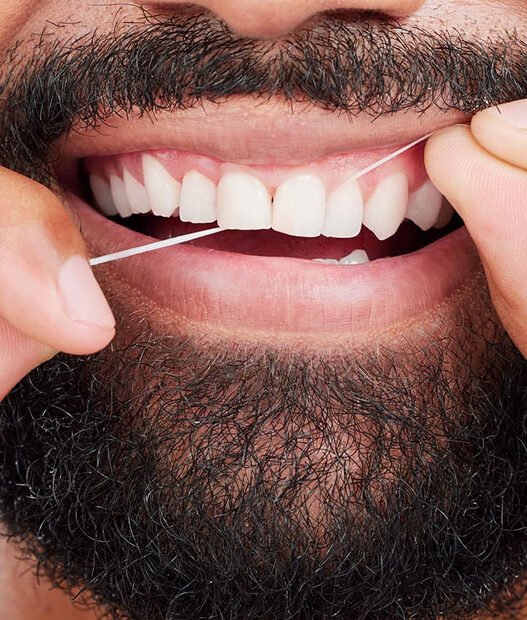
Floss Once a Day
Cosmetic work often fails first between teeth. Food and plaque sit there and cause decay at the edge of veneers, crowns, and bonding. You prevent that when you:
- Floss once every day
- Slide the floss along each side of the tooth
- Take extra time around crowns and bridges
The Centers for Disease Control and Prevention note that decay between teeth is common. You cut that risk with daily floss.
Use a Simple Mouth Rinse
You can add a fluoride rinse once a day. You do not need a strong or harsh product. A gentle fluoride rinse helps protect the edges where porcelain meets natural tooth. Swish after brushing and avoid food or drink for 30 minutes.
Food and Drink Choices That Protect Cosmetic Work
What you eat and drink can stain or weaken cosmetic work. You do not need a strict diet. You only need mindful choices.
Limit Stain Makers
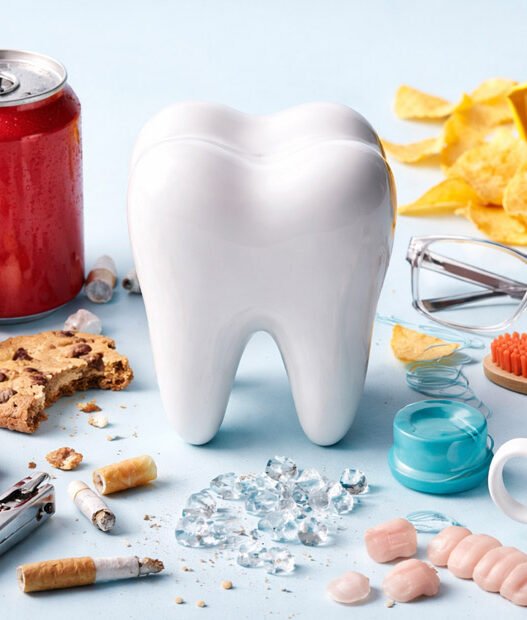
Dark drinks and foods stain teeth and bonding. Porcelain resists stains more than natural enamel. Yet stain can form at the edges. Common stain sources include:
- Coffee and tea
- Red wine
- Dark sodas
- Soy sauce and curry
- Tomato sauce
You can still enjoy them. You protect your smile by drinking water after brushing, after meals, or using a straw for cold drinks.
Avoid Hard Bites
One hard crunch can crack a veneer or chip the bonding. You protect your work when you avoid:
- Ice chewing
- Hard candy
- Using teeth to open packages
- Biting pens or fingernails
Small changes in habit prevent sudden breaks that cost time and money.
Protect Your Teeth From Grinding and Impact
Teeth grinding wears down porcelain and enamel. It can loosen or crack cosmetic work. Many people grind at night and do not know it.
Watch for Signs of Grinding
- Morning jaw pain or tightness
- Headaches when you wake
- Flat or sharp edges on teeth
- Chips that appear without a clear cause
If you notice these signs, talk with your dentist. A custom night guard spreads pressure and protects veneers, crowns, and bonding.
Use Mouthguards for Sports
A hit to the mouth during sports can break teeth and cosmetic work. A mouthguard protects your smile during:
- Basketball
- Soccer
- Martial arts
- Skateboarding
The American Dental Association supports mouthguard use for many sports. A simple guard can prevent broken veneers and crowns after one impact.
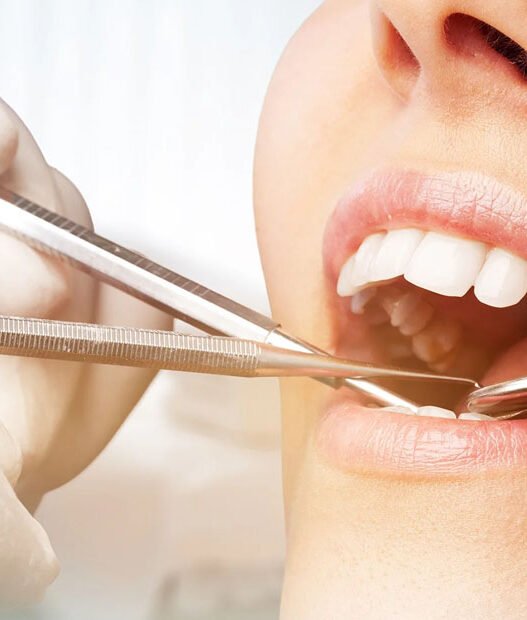
Regular Checkups and Cleanings
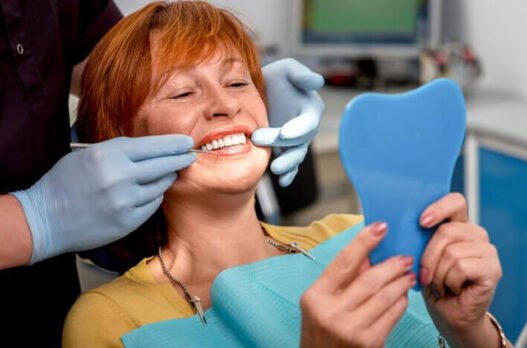
Home care is not enough on its own. You also need professional checks and cleanings on a set schedule.
- Visit your dentist every six months or as advised
- Get professional cleanings to remove hard buildup
- Ask for checks of all veneers, crowns, and bonding
Your dentist can spot early cracks, loose edges, or decay long before you feel pain. Early repair costs less and saves more of your original work.
Repair Small Problems Early
Cosmetic work rarely fails all at once. It usually starts with a small chip, stain line, or rough edge. You protect your smile when you:
- Call your dentist when you notice a new chip or line
- Schedule a quick visit instead of waiting
- Ask about simple polishing or small bonding fixes
Quick repairs keep your smile even. You avoid larger damage that needs a full new veneer or crown.
How Long Can Cosmetic Dentistry Last
Lifespan depends on your habits, your health, and the type of treatment. The table gives common ranges when you follow strong care routines.
| Treatment Type | Typical Lifespan With Good Care | Main Threats
|
| Teeth whitening | 6 months to 2 years | Staining foods and drinks, smoking |
| Bonding | 3 to 7 years | Chipping, staining, nail biting |
| Porcelain veneers | 10 to 15 years | Grinding, hard biting, gum recession |
| Crowns | 10 to 15 years or more | Decay at edges, grinding, poor cleaning |
| Implant crowns | 15 years or more | Gum disease, grinding, smoking |
These ranges are not promises. They show what many people reach when they follow daily care and regular visits.
Build a Simple Long Term Plan
You can use the rule of three to keep your plan clear.
Every Day
- Brush two times with fluoride toothpaste
- Floss once
- Limit heavy-staining drinks and rinse with water after
Every Month
- Check your teeth and gums in a mirror
- Look for new chips, cracks, or stain lines
- Check your night guard or mouthguard for wear
Every Six Months
- See your dentist for a check and cleaning
- Review any sensitive spots or grinding signs
- Ask if any cosmetic work needs small touch-ups
When to Call Your Dentist Right Away
Do not wait if you notice:
- A veneer or crown that feels loose
- A sharp edge that cuts your tongue or cheek
- Sudden pain when you bite
- Swelling or bleeding around a crown or veneer
Quick action prevents infection, deeper cracks, and costly repairs. You protect both your cosmetic work and your health.
Conclusion
Your cosmetic work is not fragile when you support it with steady habits. You brush and floss every day. You protect your teeth from grinding and hard bites. You show up for regular visits and handle small problems early. With a clear plan, your smile can stay strong for many years. You do not just keep the look of your treatment. You keep the comfort and confidence that came with it.