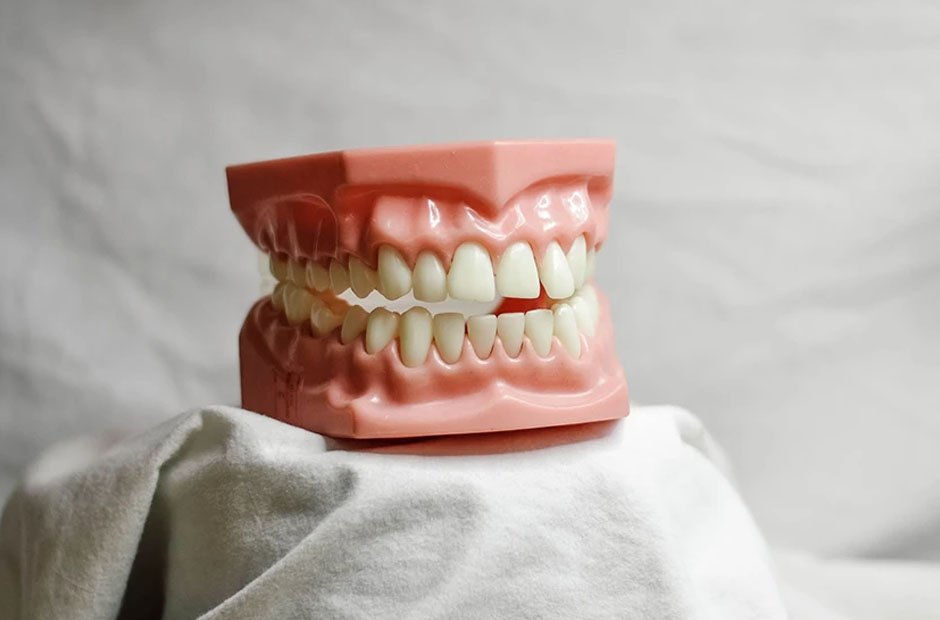
Your natural teeth matter. They help you eat, speak, and feel steady in daily life. Losing them can shake your confidence and your health. General dentists work to stop that loss. They focus on early signs of trouble, simple fixes, and steady care that keeps your teeth strong. You may only think of a dentist when you feel pain. Yet the quiet work between emergencies is what often saves teeth. Regular cleanings, honest exams, and small repairs protect you from larger problems that cost more and hurt more. Through basic checks, X rays, and clear advice, your dentist spots decay, gum disease, and grinding before they spread. For many families, Lansing family dentistry offers this steady support close to home. When you understand how general dentists protect your teeth, you gain power to keep your own teeth longer and avoid avoidable loss.
Why keeping your natural teeth matters
You feel the loss of even one tooth. You chew on one side. You hide your smile. You may even avoid some foods. Missing teeth can also change your jaw and face shape over time. That can strain other teeth and joints.
Natural teeth help you
- Chew food so your body can use it
- Speak clearly without extra effort
- Hold jaw bone strength
Replacement teeth help, but they do not match your own teeth. Keeping your natural teeth as long as possible protects your body, your speech, and your self respect.
How general dentists prevent tooth loss
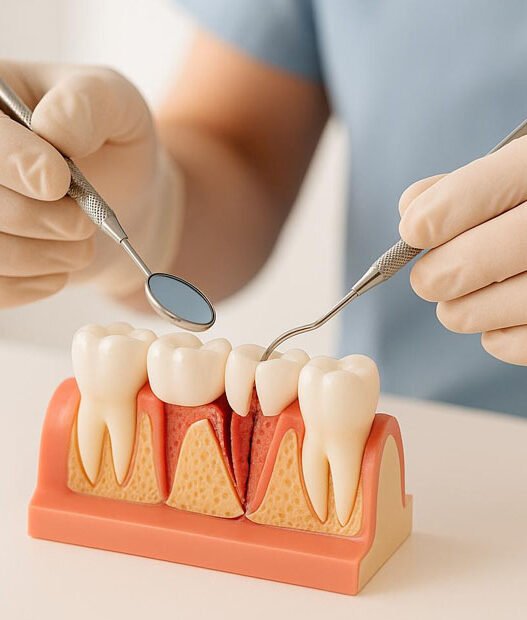
General dentists look for three main threats. These are tooth decay, gum disease, and wear from grinding. Each one can lead to tooth loss if you ignore it. Your dentist uses simple steps to stop each threat early.
- Check for soft spots or small holes in teeth
- Measure gum health and look for bleeding
- Watch for flat or chipped tooth edges from grinding
Every visit gives your dentist a clear record of change over time. That record shows what needs action now and what needs closer watching.
Routine visits that protect your teeth
Short visits twice a year often do more for your teeth than any one urgent visit. These visits include three basic parts. Cleaning. Exam. Planning.
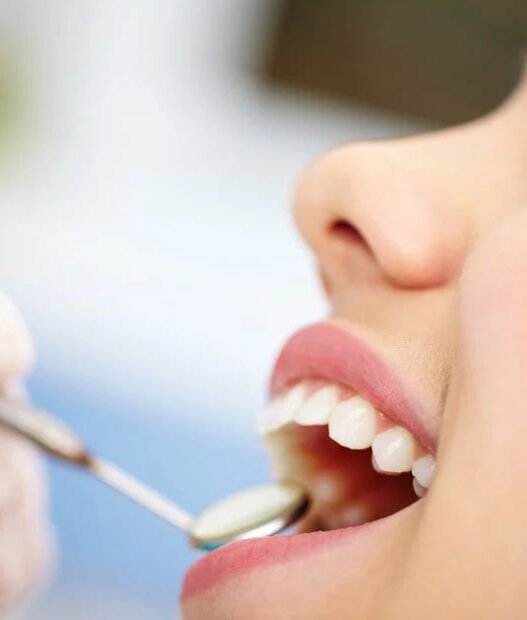
During a cleaning, the hygienist removes plaque and hardened tartar that brushing at home misses. This lowers the germs that cause decay and gum disease. During the exam, the dentist checks every tooth and gum surface and reviews X rays when needed.
Then you talk. You and your dentist set a simple plan. That plan may include more brushing near the gums, extra flossing, a change in toothpaste, or a follow up visit for a small repair. Clear talk at this step turns a quick visit into real protection.
Simple treatments that save teeth
Many treatments in general dentistry are small. Yet they prevent large loss. Three common treatments protect teeth again and again.
- Fillings. A small filling stops decay from spreading deeper into the tooth.
- Crowns. A crown covers and supports a weak or cracked tooth so it can still chew.
- Root canals. A root canal cleans infection inside the tooth so you can keep the tooth instead of removing it.
Each of these treatments lets you keep your natural tooth in your jaw. You keep your bite even. You avoid the chain reaction that starts when one tooth is lost and others shift.
How your daily habits and your dentist work together
You have strong control over how long your teeth last. Your dentist adds skill and tools that you do not have at home. Together, you cover all the needs of your teeth.
Home care and dental office care for longer lasting teeth
| What you do | What your dentist does | Result for your teeth
|
| Brush twice a day with fluoride toothpaste | Applies stronger fluoride when needed | Harder enamel and fewer new cavities |
| Floss once a day | Cleans deep between teeth and below gums | Less gum bleeding and fewer deep pockets |
| Limit sugary snacks and drinks | Checks early decay spots and repairs them | Stops small spots from becoming large holes |
| Wear a night guard if prescribed | Tracks wear from grinding and adjusts guard | Protects teeth from cracks and chips |
Why early care costs less and hurts less
Small problems grow. A tiny cavity can reach the nerve. Mild gum swelling can turn into loose teeth. Early care stops that path. It also saves money and time.
The National Institute of Dental and Craniofacial Research explains that tooth decay and gum disease are common and often preventable through early care and fluoride use. That guidance matches what general dentists use every day with patients.
When you treat problems early, you often need only one visit and simple numbing. When you wait, you may need root canals, crowns, or extractions. Those treatments take more time and can feel more intense.
How often you should see a general dentist
Many people do well with a visit every six months. Some need more frequent care. People with diabetes, past gum disease, or many fillings may need three or four visits a year. Your dentist sets the right pace after looking at your mouth and your history.
The Centers for Disease Control and Prevention notes that regular dental visits help find early signs of disease in the mouth and the body. You can see their oral health guidance at the CDC oral health fast facts. Regular visits give your dentist a chance to spot changes before you feel pain.
Three steps you can take today
You can start protecting your natural teeth now. You can
- Schedule a checkup if it has been more than a year
- Set a firm brushing and flossing routine at home
- Ask your dentist clear questions about how to keep each tooth strong
You do not need a perfect past to start strong care now. Every visit and every small change adds up. With steady support from general dentistry and steady habits at home, you can keep your natural teeth longer and feel steady when you smile, chew, and speak.