
Purchasing a vehicle is a major milestone, but navigating the modern automotive landscape in Australia requires a bit more research than it used to. With rapidly evolving technologies, fluctuating fuel costs, and a vast array of funding options, stepping onto a dealership lot without a solid plan can quickly become overwhelming. Whether you are upgrading your family SUV to accommodate a growing household or making the leap to a zero-emission daily commuter, understanding how to strategically approach both the selection and the funding of your new car is essential for a stress-free experience.
Assessing Your Needs and the Current Market
Before you start crunching numbers or browsing online classifieds, you need to determine exactly what type of vehicle suits your daily life and long-term goals. Are you frequently towing heavy loads, navigating narrow city streets, or taking off-road weekend trips? Australians are fundamentally changing the way they drive, a shift largely driven by environmental awareness and the unpredictable cost of traditional fuels at the pump. Buyers are no longer just looking at horsepower or boot space; they are heavily weighing the total cost of ownership over a five to ten-year period.
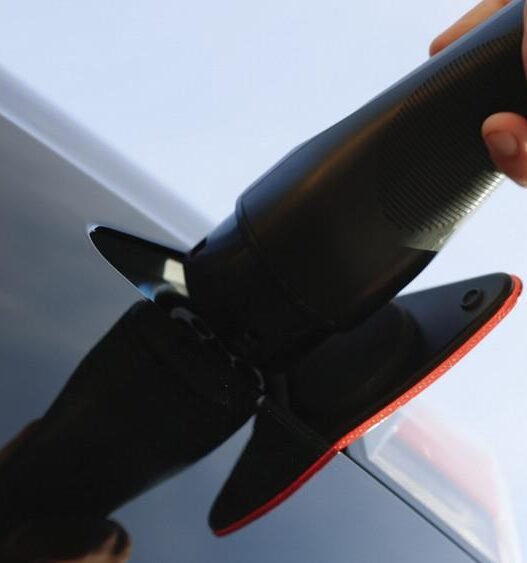
This shift is highly evident in recent national automotive sales data. According to the Federal Chamber of Automotive Industries, battery electric vehicles accounted for 14.6 percent of total vehicle sales in March 2026, which is nearly double the 7.5 percent market share recorded in March 2025. If you are currently debating between petrol, hybrid, or fully electric models, it pays to calculate your average weekly kilometres travelled and your access to home or public charging infrastructure. While an electric vehicle might carry a higher upfront sticker price, the ongoing savings on fuel and routine maintenance can make it a highly practical choice for urban commuters and environmentally conscious families.
Navigating the Financial Side of Your Purchase
Once you have a clear picture of the make and model you want to park in your driveway, the next crucial step is organising your finances before you even visit a dealership. Many buyers make the common mistake of only looking at the advertised drive-away price, completely forgetting to factor in secondary expenses like comprehensive car insurance, annual registration, government stamp duty (which varies depending on your state or territory), and regular scheduled servicing costs. Creating a holistic budget that accounts for these ongoing expenses will prevent nasty surprises down the road. Furthermore, having a pre-approved budget in your back pocket means you can shop with absolute confidence and avoid being swayed into expensive dealership financing packages that might carry hidden fees or restrictive balloon payments.
Key Steps Before You Sign the Contract
With your target vehicle in mind and your financing securely sorted, it is time to move to the practical evaluation of the car itself. Skipping the final due diligence checks is a dangerous trap that can easily lead to costly mechanical repairs or legal headaches down the track.
To ensure you are making a sound financial investment, follow these essential steps before handing over your hard-earned money:
- Take a comprehensive test drive: Do not just drive slowly around the block. Take the vehicle on local highways, navigate tight supermarket parking spaces, and test it on the specific types of roads you use daily to properly assess its handling, visibility, and ride comfort.
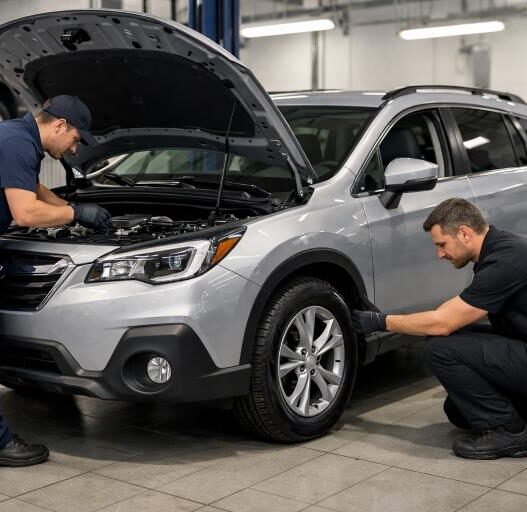
- Organise an independent inspection: If you are buying a used or demonstrator vehicle, having a qualified, independent mechanic look under the bonnet is non-negotiable. They can spot underlying mechanical or structural issues that a freshly detailed exterior might easily hide.
- Review the service history: Ask to see the logbook and verify that the car has been serviced at the manufacturer’s recommended intervals. A well-documented maintenance history is a strong indicator that the previous owner treated the vehicle with care.
- Check the legal history: Always run a quick search on the Personal Property Securities Register (PPSR) for any pre-owned cars. This vital check confirms the car has not been written off, reported stolen, or currently has outstanding finance attached to a previous owner.
- Negotiate the extras carefully: Dealerships will frequently try to add high-margin extras like extended warranties, paint protection, and window tinting at the final hurdle. Critically evaluate whether these add-ons offer genuine value or if you can source them much cheaper through independent local specialists.
Buying a new car should be an exciting journey rather than a stressful financial chore. By taking the time to understand current market trends, securing your funding early on, and rigorously testing your chosen vehicle, you actively protect your long-term financial wellbeing. Careful planning ensures that when you finally drive away from the lot, you do so knowing you secured the absolute best possible deal for your lifestyle and your wallet.