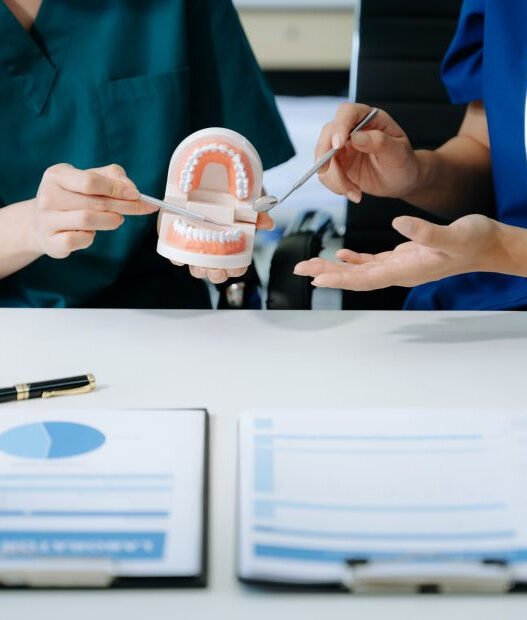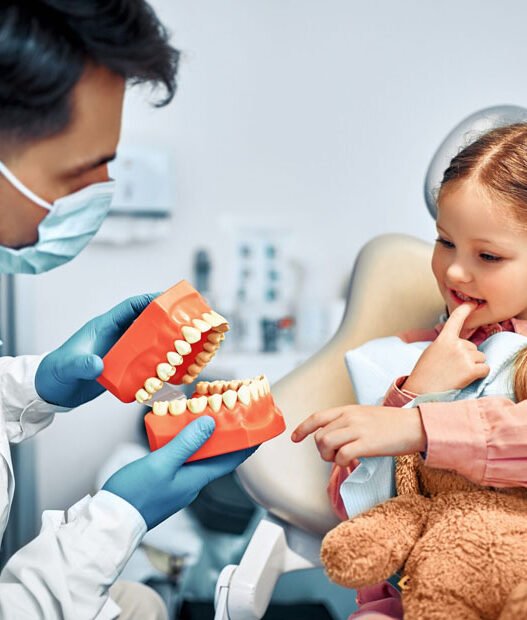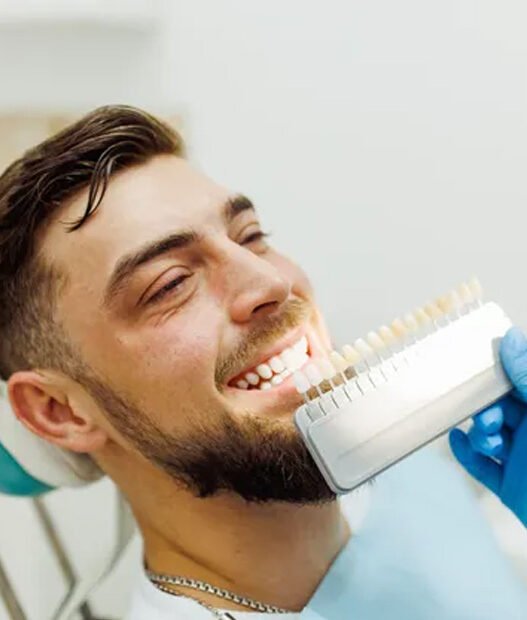
Tooth loss can shake your confidence, your speech, and your daily routine. You might feel pressure to pick a solution fast. Yet this choice deserves calm thought. Dentures and dental implants both replace missing teeth. They work in very different ways. Each option affects how you eat, talk, and care for your mouth. Some people want a quick fix. Others want a long lasting solution that feels closer to natural teeth. Cost, comfort, time, and health all matter. So does where you live and who you can see for care, including options like snap on dentures in Fresno. This guide walks you through the key differences. You will see what each option demands from you. You will also see what you can expect day to day. With clear facts, you can face your choice with less fear and more control.
How dentures work
Dentures are removable teeth that rest on your gums. They can replace a few missing teeth or a full set. Dentures sit on top of your gums. They do not join with the bone.
Here is what that means for you.
- You take them out to clean them.
- You may use denture paste for a better grip.
- Your gums and bone can change shape over time.
- You may need relines or new dentures as your mouth changes.
The National Institute of Dental and Craniofacial Research explains that tooth loss can speed bone loss in the jaw. Since dentures sit on the gums, they do not stop this bone loss.
How dental implants work
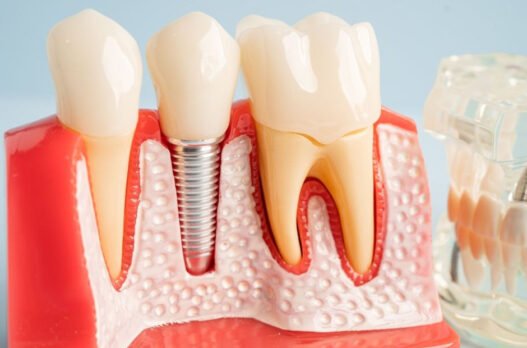
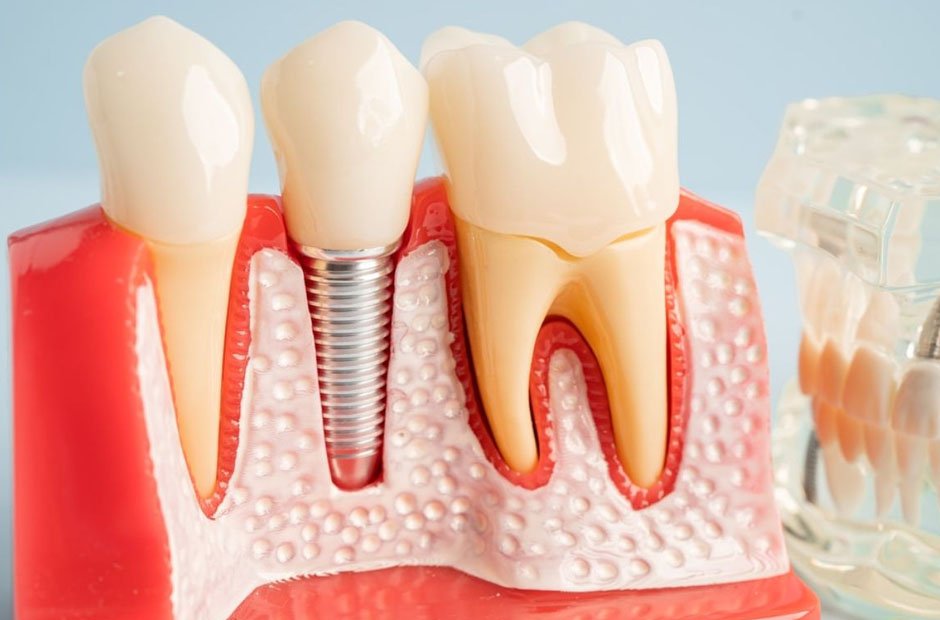
Dental implants are small posts placed in your jaw. Crowns, bridges, or dentures attach to these posts. The implant acts like a tooth root. Bone grows around the implant. This helps keep the implant steady.
Here is what that means for you.
- You do not remove implants to clean them.
- You brush and floss like natural teeth, plus some extra care around the implant.
- Implants can help slow bone loss in the jaw.
- Implant work takes more time and more visits.
The American Dental Association MouthHealthy site notes that many people can keep implants for many years with steady care and cleanings.
Side by side comparison
| Topic | Dentures | Dental Implants
|
| How they stay in place | Rest on gums. May need paste. | Join with jawbone through small posts. |
| Removable or fixed | Removable. | Fixed crowns or bridges. Some implant dentures snap on and off. |
| Chewing strength | Lower bite force. Hard or sticky foods can be hard. | Higher bite force. Closer to natural teeth. |
| Speech | May feel bulky at first. Speech can improve over time. | Often feels more natural once healed. |
| Bone support | Does not stop bone loss. | Can help keep bone where the implants sit. |
| Time to finish | Often faster. | Can take months from start to finish. |
| Upfront cost | Lower. | Higher. |
| Long term cost | May need more repairs and new sets. | Fewer replacements if well cared for. |
| Surgery | No surgery for basic dentures. | Needs one or more minor surgeries. |
| Daily care | Remove, brush, and soak. | Brush, floss, and clean around implants. |
Who might choose dentures
You might lean toward dentures if you want a lower upfront cost. You might also choose them if you cannot have surgery or if your health makes healing hard.
Typical reasons people choose dentures include three main points.
- Dentures often cost less at the start.
- Dentures can be made faster than implants.
- Health limits. Some health issues or medicines affect bone healing.
Dentures can still look natural. They can still help you eat soft and some firm foods. They can also give you a full smile when many teeth are missing.
Who might choose dental implants
You might lean toward implants if you want a fixed option that feels close to natural teeth. You also need enough bone and healthy gums.
Common reasons people choose implants include three main points.
- Teeth stay in place when you talk and chew.
- No rubbing on gums once healed.
- Jaw health. Implants help keep bone where they sit.
Some people choose a mix. They use implants to support a denture. This can steady a lower denture that moves. It can also make it easier to snap the denture on and off for cleaning.
Questions to ask your dentist
You deserve clear answers before you choose. You can bring these questions to your visit.
- How many teeth do you need to replace?
- How much bone do you have in your jaw?
- Are you a good match for implant surgery?
- What are the full costs over ten years for each option?
- How will each option feel when you eat, laugh, and speak?
- How often will you need follow-up visits?
You can also ask to see pictures of past cases. You can ask how many times your dentist has done each type of work.
How to move forward with less stress
This choice can stir fear, shame, or frustration. You are not alone. Many adults lose teeth from decay, gum disease, or injury. Modern care gives you more than one path.
First, write down what matters most to you. You might care most about cost. You might care most about strong chewing. You might care most about avoiding surgery.
Next, talk with a dentist you trust. You can also seek a second opinion. You can bring a family member to help you listen and take notes.
Finally, give yourself time to think. You do not need to rush. With plain facts and clear choices, you can pick the option that fits your body, your budget, and your daily life.