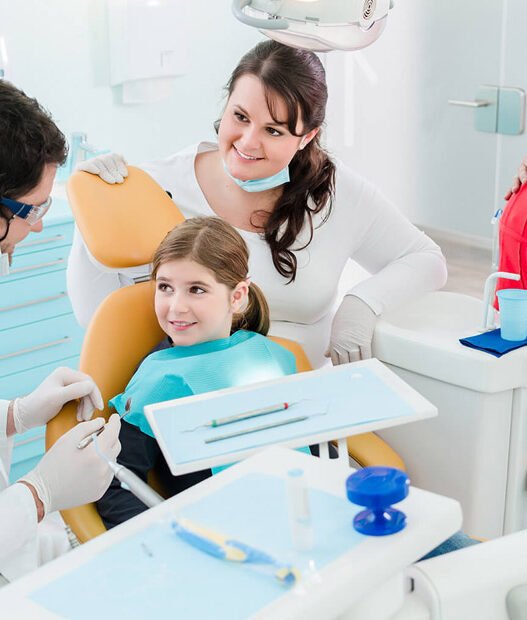
Modern general dentistry uses simple tools and smart machines to protect your teeth and health. You now see digital images instead of film. You feel quieter tools instead of harsh drills. You get clear answers instead of confusing charts. Today, your dentist can spot tiny problems early, plan treatment with accuracy, and reduce pain during each visit. You gain shorter appointments, fewer return trips, and stronger long-term results. This change matters for every person who feels worried in the dental chair. It matters for children, older adults, and people with complex health needs. It also shapes care in your own community. Many offices now use these tools to offer compassionate dental care in Santa Rosa. You deserve care that respects your time, your comfort, and your trust. Modern technology helps your dentist deliver that care in a steady, reliable way.
Digital X Rays And Safer Imaging
Traditional X-rays used film and higher levels of radiation. Digital X-rays now use sensors and computer screens. You see your teeth within seconds. Your dentist can zoom in and adjust contrast to find early tooth decay and bone loss.
This shift protects your health. The National Cancer Institute explains that lower radiation reduces lifetime exposure. Digital systems cut radiation compared with older film methods. That matters for children and anyone who needs regular dental checks.
Digital imaging also helps you take part in decisions. You can see cracked teeth and hidden infections on a large monitor. Clear pictures build trust. You understand why a filling or crown is needed instead of guessing.
Comparison Of Traditional And Modern Dental Tools
| Type of tool | Traditional method | Modern technology | What you experience
|
| X rays | Film based images with higher radiation | Digital X rays with sensors | Faster visits and lower exposure |
| Tooth scans | Sticky putty impressions | 3D intraoral scanners | Cleaner process and fewer gag reflexes |
| Drills | Loud handpiece on metal bits | Electric or air-driven tools with smoother motion | Less noise and less strain |
| Records | Paper charts | Electronic health records | Better sharing across your health team |
| Cavity checks | Metal probe and visual exam | Digital cameras and cavity finding sensors | Earlier detection and smaller fillings |
3D Scanners And Better Fitting Restorations
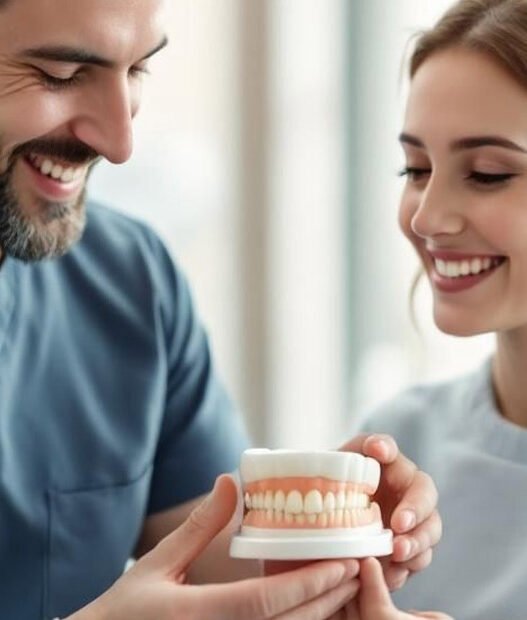
Old impressions used trays filled with thick material. Many patients felt nausea or fear. Modern intraoral scanners use a small camera that moves across your teeth. It captures thousands of images and builds a 3D model on a screen.
This model guides crowns, bridges, and clear aligners. The fit improves. You often need fewer bite checks and less grinding to adjust high spots. You gain comfort while you sit in the chair. You also gain stronger long-term function when you chew and speak.
High Quality Images For Patient Education
Modern dental cameras and scanners give sharp color pictures. Your dentist can show you plaque, wear, or gum swelling on a screen. This picture-based talk changes how you care for your mouth at home.
The Centers for Disease Control and Prevention reports that tooth decay is common in children and adults. Clear pictures make this risk feel real. You may brush longer, floss more often, and return for cleanings on time when you see the damage early.
Comfort Focused Tools For Cleanings And Fillings
New tools aim to protect your comfort. Many offices use electric handpieces that run with less noise. Some use air polishing for cleanings. This uses air, water, and fine powder instead of rough scraping in some spots.
For small cavities, some dentists use lasers or air abrasion. These methods can remove decay with less pressure on your tooth. You may need less numbing. You also heal in a smoother way because healthier teeth stay in place.
Stronger Infection Control And Safety
Technology also strengthens safety. Modern water line systems, single-use tools, and tracking software support infection control. Digital records record each step. That helps staff follow state and federal rules every day.
Electronic health records also help your dentist see your full health picture. Your allergies, medicines, and health history appear in one place. That helps prevent reactions and supports safer choices for numbing and antibiotics.
How These Changes Help Your Whole Family
Modern general dentistry supports every age group.
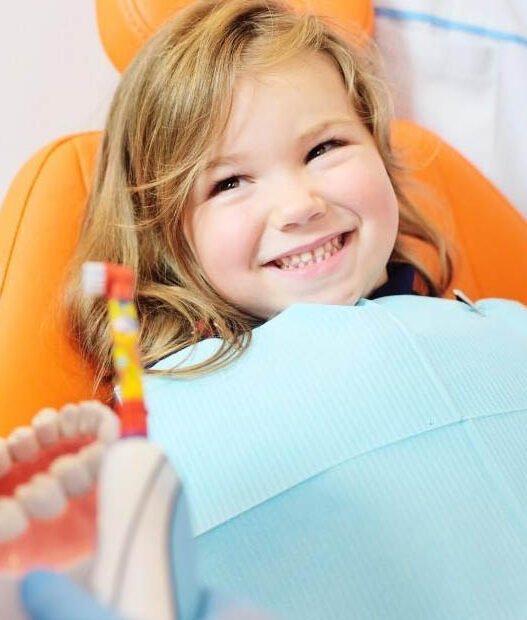
- Children gain shorter visits and less fear
- Adults gain clearer answers and steady prevention
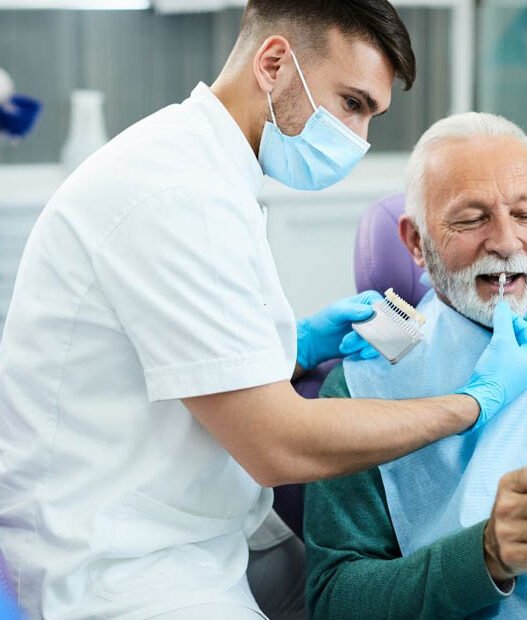
- Older adults gain safer planning around other health needs
You see the effect over time. Earlier diagnosis means smaller fillings instead of extractions. Better imaging catches gum disease before teeth loosen. Stronger records keep your mouth and body care in sync.
Taking The Next Step For Your Oral Health
When you choose a dentist, you can ask clear questions. You can ask if the office uses digital X-rays. You can ask if they use 3D scanners instead of old impressions. You can ask how they keep your data safe and share it with your medical team when needed.
Modern tools do not replace human care. They support it. Your comfort, fears, and goals still guide each plan. Technology simply gives your dentist sharper eyes and steadier hands. You gain fewer unknowns, less pain, and more control over your oral health.