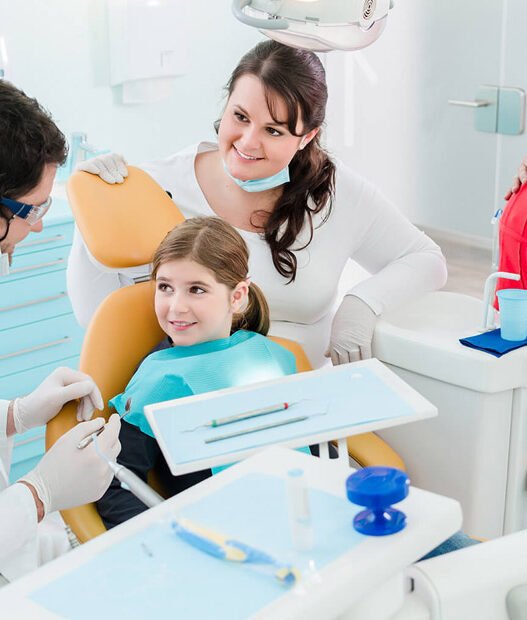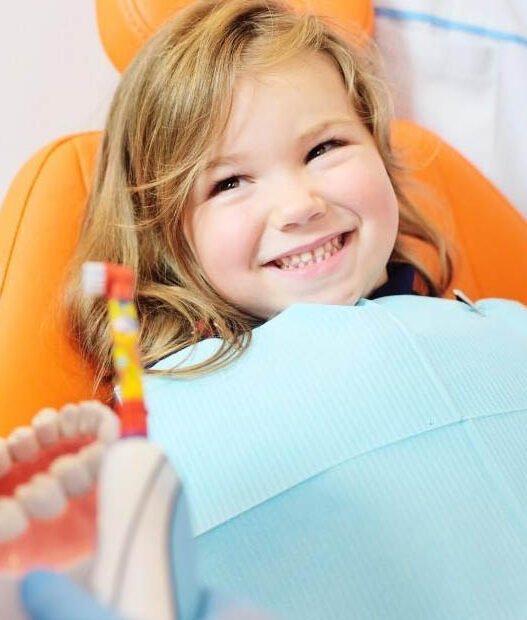
Your child’s first dental cleaning can stir up worry. You want to protect your child, yet you may not know what will happen in the chair. This lack of control can feel heavy. A family dental practice can calm that fear. You meet a team that knows children, speaks gently, and explains each step. You see tools that look sharp and cold. Then you watch your child laugh at a silly toothbrush. You hear clear words about plaque, sugar, and tiny gums. You learn how early cleanings can help your child avoid pain, missed school, and costly care such as a dental implant in Little Elm TX. You walk away with simple steps you can use at home. You also gain a clear picture of what will happen at the next visit. That clarity turns worry into steady, quiet confidence.
Why early cleanings matter for your child
Baby teeth hold space for adult teeth. They guide chewing, speech, and jaw growth. When they stay clean, your child eats, sleeps, and learns with less struggle.
The American Academy of Pediatric Dentistry explains that regular checkups help prevent decay and support healthy growth.
Early cleanings help you
- Spot small problems before they cause pain
- Build trust between your child and the dental team
- Set a steady home routine for brushing and flossing
How to prepare your child before the visit
You set the tone long before you reach the office. Your words and body language shape your child’s response.
Use three simple steps
- Keep your words short. Say, “The dentist will count and clean your teeth.”
- Stay calm. Breathe slowly and keep your shoulders loose.
- Practice at home. Take turns “counting teeth” with a soft toothbrush.
Avoid scary words. Skip “hurt” or “shot.” Use “tickle,” “clean,” and “pictures” instead.
What happens when you arrive
The visit starts before the cleaning chair. Staff greet you, review forms, and check your child’s medical history.
You can expect three quick steps
- Front desk check-in and insurance review
- Short wait with toys or books
- Call back to the exam room with you close by
You stay with your child unless the office has a clear reason for a different plan. You can ask for each step to be explained in simple words.
The step by step cleaning process
Most child cleanings follow a clear order. Knowing the order lowers fear for you and your child.
1. Quick talk and look
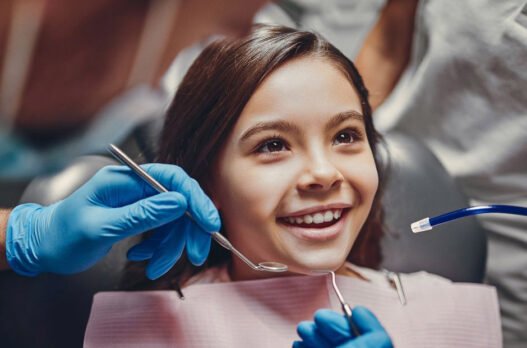
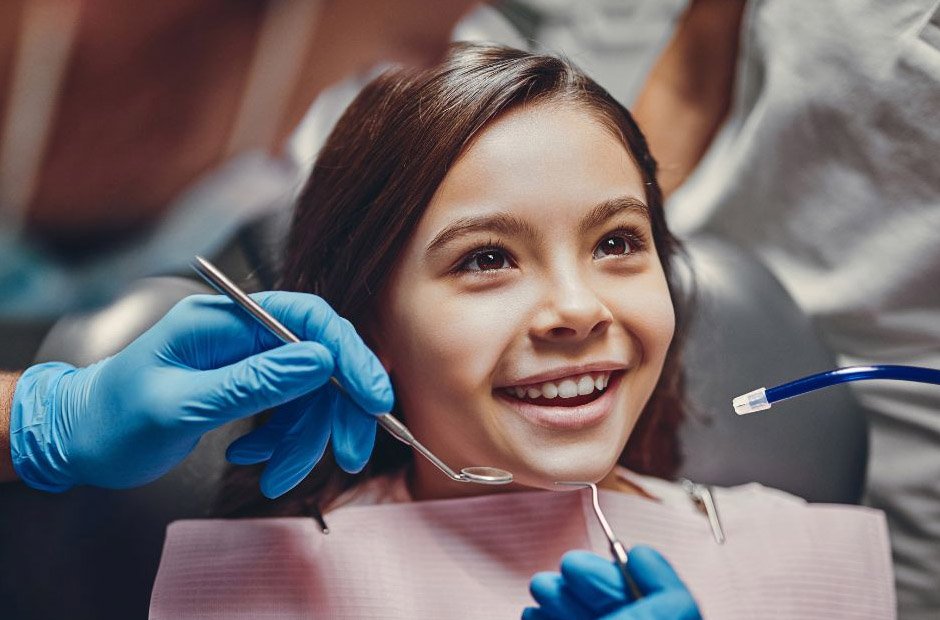
The dentist or hygienist talks with you. You hear questions about brushing, snacks, and any pain. Then your child sits in the chair. A light shines on the mouth. The provider counts teeth and checks gums.
2. X-ray pictures if needed
Some visits include X-rays. These pictures help find cavities between teeth. Staff place a small sensor in your child’s mouth and ask your child to stay still for a few seconds. A shield covers your child’s body for safety.
3. Plaque and tartar removal
The hygienist uses small tools to remove sticky plaque and hard tartar. Your child hears scraping sounds and feels pressure. There should not be severe pain. You can ask for a short pause if your child needs a break.
4. Tooth polishing
Next comes a spinning brush with flavored paste. Your child feels a tickle on each tooth. This step smooths the tooth surface so plaque has less grip.
5. Flossing between teeth
The hygienist flosses between each tooth. This shows your child how floss feels and looks. It also removes hidden bits of food.
6. Fluoride treatment
Many offices finish with fluoride. This can be a foam, gel, or varnish. It coats the teeth and helps protect against decay. Your child may need to avoid food or drink for a short time after.
How often your child needs cleanings
Most children need a cleaning every six months. Some need more frequent visits because of a higher risk. Risk can rise with past cavities, weak enamel, special health needs, or less access to clean water with fluoride.
Typical cleaning schedule by cavity risk
| Child’s cavity risk | Examples of signs | Suggested cleaning frequency |
| Low | No past cavities. Regular brushing. Few sugary drinks. | Every 6 months |
| Medium | Early spots on teeth. Inconsistent brushing. Some sugary snacks. | Every 4 to 6 months |
| High | Past cavities. Pain or sensitivity. Frequent sweet drinks or snacks. | Every 3 to 4 months |
How this visit protects your child’s future health
Decay in baby teeth can spread and hurt adult teeth. It can also affect speech, sleep, and school focus. Routine cleanings and early treatment cut the chance of serious infection and future tooth loss.
When you follow the advice from each visit, you lower the chance your child will need urgent care or complex work as a teen or adult. That includes root canals, crowns, and implants.
What you can do at home after the cleaning
The visit does not end at the office door. Your choices at home keep your child’s mouth strong between cleanings.
Use three daily habits
- Brush twice a day with a small smear or pea-sized amount of fluoride toothpaste
- Floss once a day when teeth touch
- Offer water instead of sweet drinks between meals
Also try three simple limits
- Keep juice to meal times
- Avoid bottles or sippy cups in bed
- Save candy for rare moments and brush soon after
When to call the office between visits
Do not wait for the next cleaning if something feels wrong. Call if you notice
- Tooth pain or sensitivity to hot or cold
- Swollen or bleeding gums
- White or brown spots on teeth
Quick action can stop a small problem from turning into an infection or tooth loss. It also keeps your child in school and out of urgent care.
Leaving with confidence
A child’s dental cleaning at a family practice should leave you with three things. You gain clear information about your child’s mouth. You learn simple steps to use at home. You also see your child build trust with the dental team.
Each visit then becomes less tense and more routine. That steady pattern protects your child’s teeth, health, and daily comfort for many years.