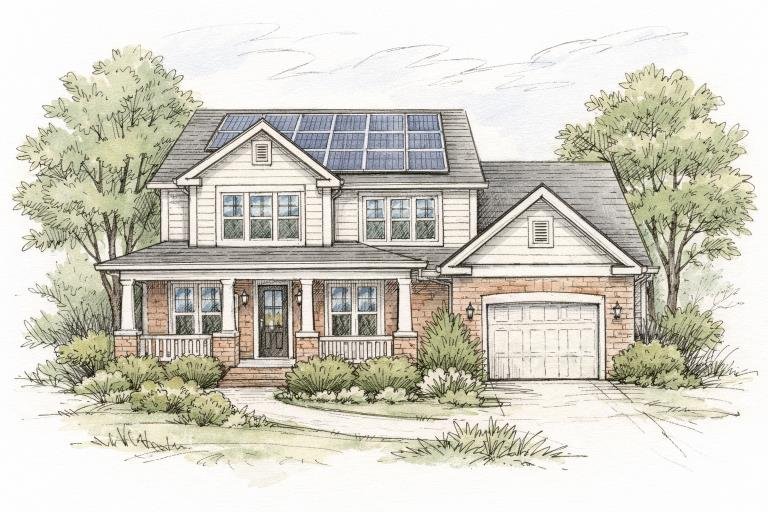
As greater environmental awareness shapes decisions nationwide, the residents of Raleigh, NC, are becoming leaders in sustainable home construction. Homeowners here are looking for creative ways to reduce energy consumption, conserve water, and foster a healthier living environment while accommodating the region’s unique climate and booming population. For those focusing on more energy-efficient windows, doors, and exterior upgrades, Blue Chip Window & Door of Raleigh is a standout local resource dedicated to helping homeowners modernize and go green.
Sustainable building practices bring practical benefits for Raleigh residents, including lower utility bills, improved air quality, and increased durability against seasonal storms. By choosing eco-friendly materials, smart home upgrades, and water-wise landscaping, homeowners help protect the natural beauty of the Triangle while creating healthier and more resilient neighborhoods across Wake County and beyond. This article explores the most relevant sustainable home construction trends for Raleigh, incorporating local insights and practical recommendations for today’s forward-thinking homeowner.
Energy-Efficient Designs
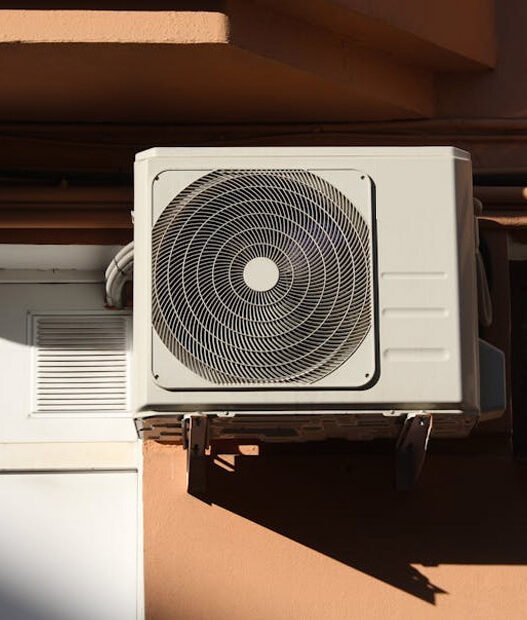
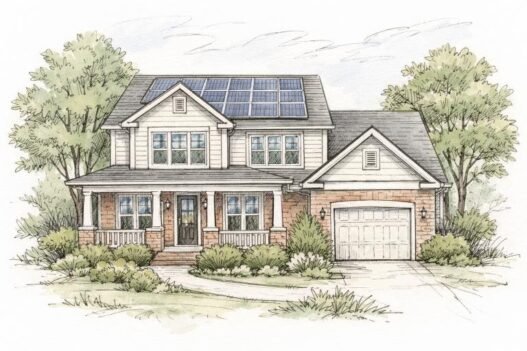
Homes in Raleigh benefit from a subtropical climate that brings humid summers and occasionally chilly winters. Thoughtful design choices are essential to maintaining comfort while reducing environmental impact. Upgrading insulation, installing triple-pane or Low-E windows, and choosing reflective roofing materials greatly reduce heating and cooling demands. Such energy efficiency not only slashes utility bills but also extends HVAC system life, an important consideration in the Carolinas. Incorporating solar panels has become a practical investment in the area. Raleigh receives ample sunlight for much of the year, making solar power a reliable and increasingly affordable solution. Homeowners often pair this with battery storage and smart technology for enhanced control over their home’s energy use. According to energy-saving research from the U.S. Department of Energy, these features can significantly lower a home’s environmental footprint while providing long-term savings.
Eco-Friendly Materials
The choice of materials reflects a homeowner’s commitment to sustainability and health. In Raleigh, a strong local and regional supply chain gives builders access to fast-growing bamboo, recycled steel, and reclaimed or salvaged wood from historic buildings. These materials minimize the need for new resource extraction, cut waste, and offer a distinctive Southern character to modern homes. Low-VOC paints and natural finishes are growing more common as Triangle-area residents recognize the health benefits of improved indoor air quality for families with children, allergy sufferers, and pets.
Smart Home Integration
Smart home technology is reshaping how Raleigh homeowners manage comfort and efficiency. From programmable thermostats that learn family routines to lighting and shading systems that adapt to ambient conditions, smart devices let users optimize their living spaces year-round. Smart irrigation controllers and leak detection sensors also minimize water waste, which is crucial given occasional regional droughts. Many local homebuilders partner with tech providers to integrate these systems from the start, boosting property value and increasing energy savings for years to come.
Water Conservation Strategies
With the Triangle’s growing population, water conservation is top of mind for Raleigh homeowners. Upgrading to WaterSense-rated faucets, toilets, and showerheads easily cuts indoor water use by 20 percent or more. Beyond indoor fixtures, many homeowners are opting for drought-resistant native landscaping, which thrives in the local climate without heavy irrigation and supports pollinators essential to North Carolina ecosystems. Rainwater harvesting systems are another regional trend, collecting runoff for garden and landscape use rather than letting valuable water drain away. These efforts conserve water while reducing stormwater pressure on city infrastructure during Raleigh’s heavy rain events.
Biophilic Design Elements
Biophilic design is gaining traction in Raleigh, where many homeowners wish to feel more connected to the forests, rivers, and rolling hills surrounding the Capital City. Maximizing natural light with skylights and larger windows, creating indoor gardens, and using locally sourced stone enhance this connection and have been documented to have wellness benefits. Living walls and green roofs are emerging features in forward-thinking homes, providing extra insulation, cleaner indoor air, and a unique visual touch that blends houses into Raleigh’s leafy neighborhoods. Local architects frequently emphasize biophilic elements to nurture a sense of tranquility and well-being inside city homes.
Prefabricated Construction
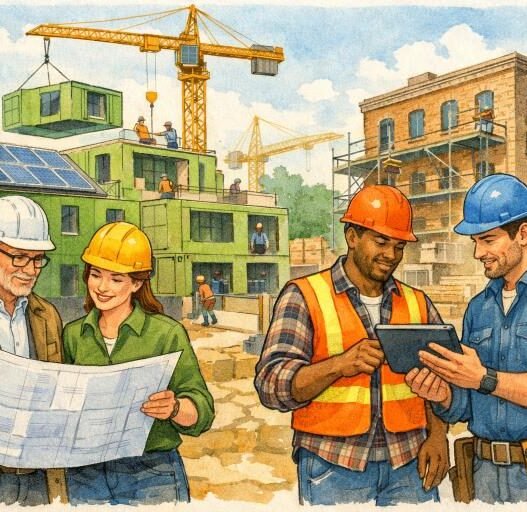
The prefab building trend is on the rise in Raleigh, driven by the need for faster, more affordable, and less wasteful construction methods. Factory-built panels and modular homes reach job sites with remarkable precision, reducing delays and construction debris. Many local developers are offering prefabricated homes built with recycled materials, high-R-value insulation, and contemporary design features aligned with the needs of modern families. These homes not only lower lifecycle costs, but also make sustainable building more accessible in Raleigh’s competitive real estate market.
Resilient Building Practices
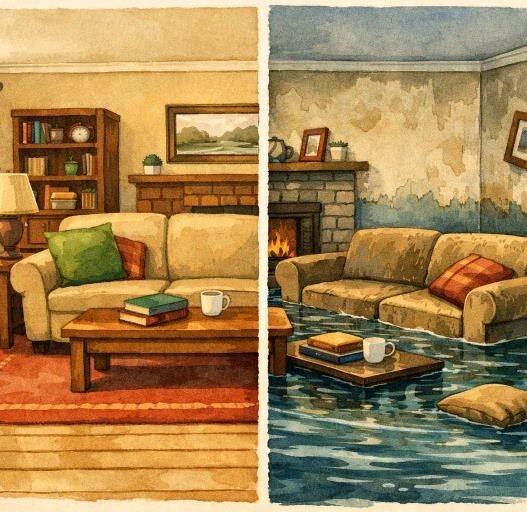
Durability against extreme weather is more than a trend in Raleigh, where thunderstorms and hurricanes periodically impact the area. Builders are prioritizing impact-resistant roofing, elevated foundations, and storm-rated windows to protect homes from high winds and water intrusion. Advances in 3D printing and soil-based materials also hold promise for resilience in storm-prone regions, with local firms experimenting with new methods suited to North Carolina’s varied terrains. Sustainable construction in Raleigh means not just protecting the environment, but also ensuring long-term safety and stability for families and communities.
Conclusion
Raleigh, NC, is a vibrant city at the forefront of sustainable home construction. Homeowners in the Triangle can embrace energy-efficient designs, locally sourced eco-friendly materials, and smart-home technology as part of the city’s ongoing commitment to resilience and environmental stewardship. By integrating water-wise landscaping, biophilic elements, and advanced building methods, Raleigh’s residents are pioneering homes that are as comfortable and future-ready as they are responsible. In this way, each new project helps ensure a greener, healthier Raleigh for generations to come.