You might be standing in that quiet space after the diagnosis, when the vet has just said the word “cancer” and “chemotherapy,” and the room suddenly felt smaller. You nodded at the emergency vet in Bellingham, you heard the treatment plan, yet on the drive home you kept thinking about something else entirely. Will my pet be scared. Will they suffer. Will they still feel like themselves.end
This is where many pet owners find themselves. There is the “before,” when your biggest worry was a missed vaccination, and the “after,” when you are reading about side effects late at night. In between those two moments sits a very real question. How can a veterinary hospital keep your pet not only safe, but also calm and comfortable during chemotherapy.
The short answer is that modern veterinary cancer care is built around comfort. Veterinary teams use gentle handling, tailored drug doses, pain control, quiet spaces, and emotional support for both pets and owners. They are not just treating a disease. They are caring for a family member. Understanding how that works can lower your fear and help you make choices that feel right.
What makes chemotherapy for pets feel so overwhelming at first?
Part of the fear comes from what you already know about human chemotherapy. You may picture harsh treatments, long hospital stays, and serious side effects. It is natural to assume your pet will go through the same thing. You might even wonder if the stress will outweigh the benefits.
Then the practical worries start to pile up. How many visits will this mean. How will your pet cope with car rides and strange rooms. Will they lose their appetite or their joy. How will you balance work, money, and time, while also trying to be fully present for them.
Because of this tension, you might start second guessing everything. Is it kinder to treat, or kinder to wait. Are you doing this for your pet, or for yourself. These thoughts are heavy, and they are also very common. A good veterinary hospital knows this and plans care around both your pet’s body and your heart.
How do veterinary hospitals reduce fear and stress during chemotherapy?
Veterinary oncology has a different goal than most human oncology. The focus is on quality of life, not pushing to the highest possible drug dose. That single difference shapes almost everything about chemotherapy in veterinary hospitals.
First, the medical side. Doses are usually lower than in human medicine, and schedules are designed to give your pet time to rest between treatments. Studies and clinical experience show that many pets tolerate chemotherapy far better than people expect. For example, university oncology services report that only a minority of pets experience significant side effects, and most can be managed with medications and schedule adjustments. If you want to see how veterinarians frame this, the University of Tennessee has a clear chemotherapy FAQ for pets that many owners find reassuring.
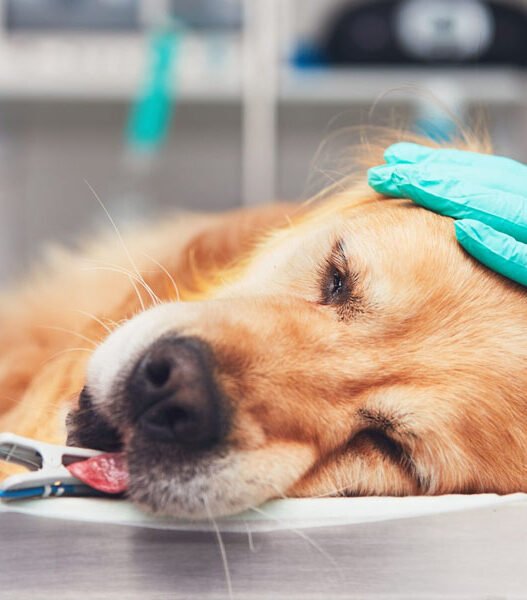
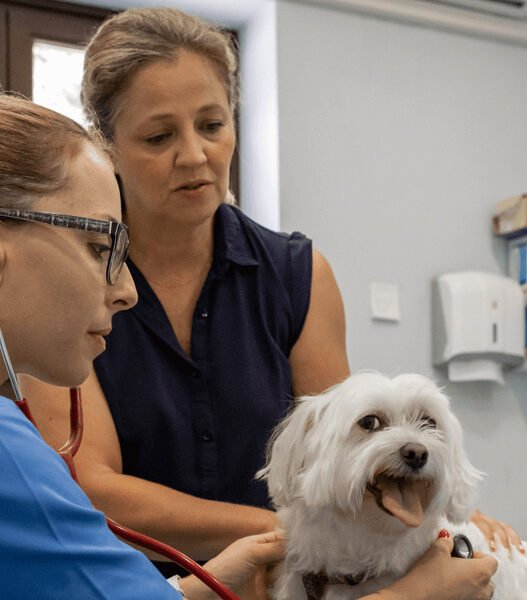
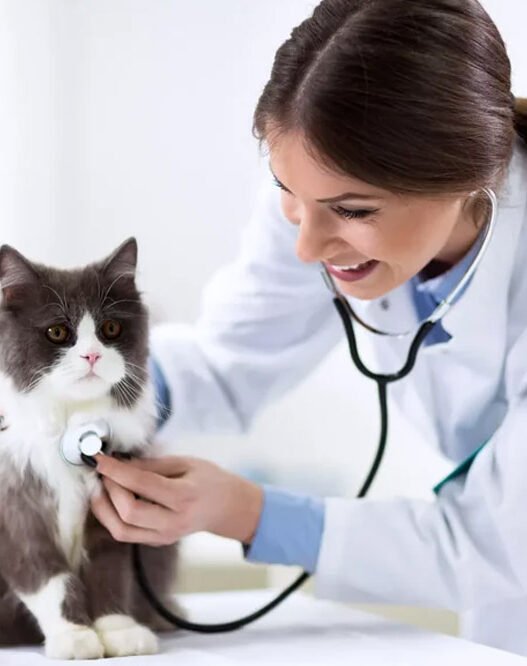
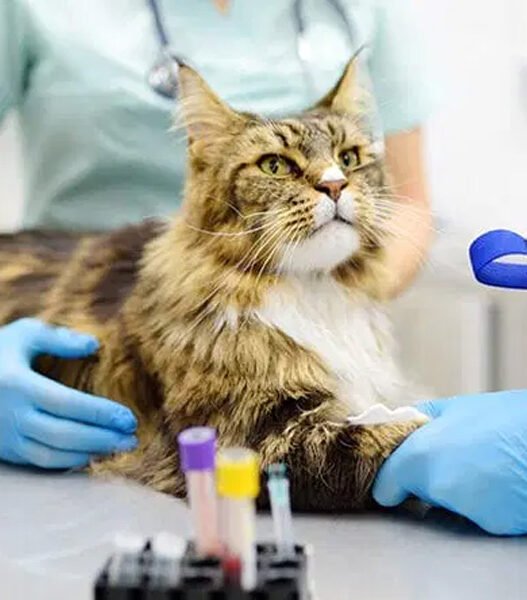
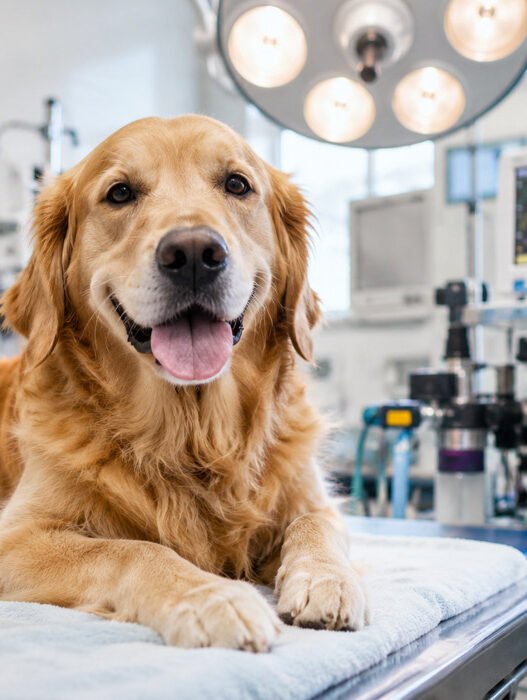
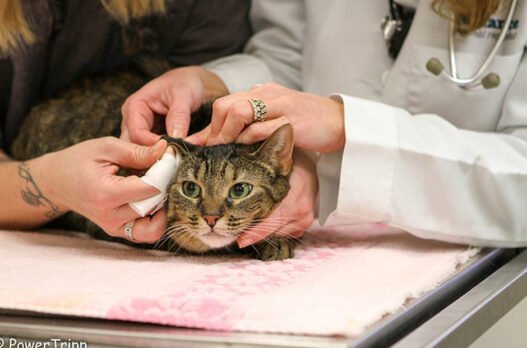
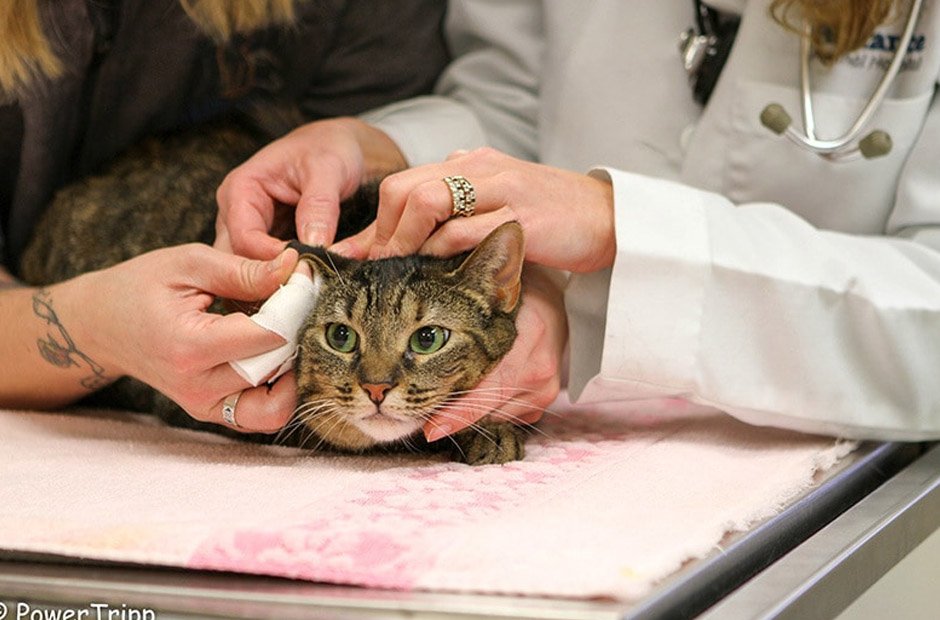
Second, the emotional side. Veterinary hospitals work hard to soften every step of the experience, especially for anxious animals. Imagine a typical visit. Instead of being rushed from the lobby to the back, a nervous dog might be taken into a quieter exam room quickly, away from barking or loud noises. Staff may use soft voices, slow movements, and treats to build trust. Cats might be placed in a separate calm area, covered with a towel, with pheromone sprays to help them settle.
Some hospitals offer “happy visits” before treatment starts, so your pet can meet the team, explore the space, and earn treats without anything scary happening. This can cut down fear when the first chemotherapy session comes. Over time, many pets start to recognize the staff as familiar and kind, which makes each visit easier.
The team also monitors comfort during treatment. They watch for signs of nausea, pain, or fatigue. If a dog turns away from food, or a cat hides more than usual, that is information, not a failure. Doses can be adjusted. Drugs can be changed. Anti nausea or pain medications can be added. The goal is not to “push through at all costs.” The goal is to keep your pet feeling as good as possible while still fighting the cancer.
And then there is you. Good hospitals know that when you are calm, your pet can relax more easily. They explain what will happen before each session. They tell you what side effects to watch for at home, and what is normal. They give you direct contacts for questions. Many follow communication approaches similar to the chemotherapy care guidelines used by teaching hospitals, which emphasize clear expectations and close follow up.
What should you compare when choosing comfort focused chemotherapy for your pet?
So, where does that leave you when you are trying to decide what is right for your pet. It often helps to compare not just “treat or not treat,” but how different options may affect comfort, time, and your emotional load.
| Option | Pet Comfort During Visits | Home Life & Side Effects | Owner Time & Emotional Load |
| Full chemotherapy protocol in a veterinary hospital | Frequent handling by trained staff, quiet areas, treats, gentle restraint. Comfort usually improves as the pet gets used to the team. | Side effects vary, often mild to moderate and managed with meds. Many pets keep normal routines between treatments. | Regular visits and costs. Emotional strain at first, often eased by clear communication and seeing your pet cope well. |
| Modified or low intensity chemotherapy | Fewer or shorter visits. Still benefits from hospital comfort measures, but less frequent disruption. | Typically fewer or milder side effects. May trade some cancer control for a lighter treatment burden. | Less time at the hospital. Often easier emotionally for owners who worry about “doing too much.” |
| No chemotherapy, focus on palliative care | No treatment days, so no hospital stress. Comfort is managed at home with pain control and supportive care. | Disease may progress faster. Focus is on keeping the pet comfortable, not on slowing the cancer. | Fewer appointments, but emotional weight of a shorter expected time together. |
There is no single right answer in this table. The “right” choice is the one that fits your pet’s personality, your family’s capacity, and your values. A thoughtful veterinary team will walk through this with you and adjust the plan as your situation changes.
What can you do now to help your pet feel safe during chemotherapy?
If you decide to move forward with veterinary oncology treatment, you are not helpless in the process. There are clear steps you can take to protect your pet’s comfort and your own peace of mind.
- Prepare your pet for hospital visits
Start at home. If car rides are stressful, take short, calm drives that end in something pleasant like a quiet walk or a favorite snack. Bring a familiar blanket or toy to appointments so your pet has a “safe” scent with them. For cats, keep carriers out at home with soft bedding and treats inside, so the carrier does not always mean “vet visit.” Ask the hospital if you can schedule a short meet and greet visit before treatment begins, so your pet can get used to the space and staff.
- Ask specific questions about comfort plans
During your oncology consult, focus your questions on comfort as much as on outcomes. You might ask. How will you manage nausea if it happens. What signs of pain should I watch for at home. Can my pet stay with me before and after treatment, or will they be taken to a treatment area. What can I send with them, like blankets or treats. When you hear the answers, notice not just the words, but the attitude. A team that welcomes these questions is more likely to center comfort in their care.
- Create a calm routine at home between treatments
Many pets feel their best in familiar routines. Try to keep feeding times, walks, and quiet time as consistent as possible. If your pet is more tired, shorten walks but keep them gentle and frequent. Offer small, tasty meals if appetite is off. Follow any medication schedules closely and keep a simple journal of how your pet is acting each day. That record helps your oncology team fine tune the plan and quickly catch anything that might affect comfort.
Finding peace with your decision
Choosing chemotherapy for a pet is never easy. You are weighing love, time, money, and hope, often while feeling scared and rushed. It helps to remember that you are not choosing between “treat and cause suffering” versus “do nothing and be kind.” Modern veterinary hospital care is built on the idea that comfort comes first, and that treatment should support a good life, not just a longer one.
You are allowed to ask for gentleness. You are allowed to change course if your pet is not coping the way you hoped. You are allowed to celebrate the good days, even in the middle of treatment. Whatever you decide, you are already doing the hard work of being present and thoughtful for an animal who trusts you completely. That care, in itself, is an act of deep kindness.