You might be feeling stuck between options right now. Maybe you are tired of hiding your smile in photos, avoiding certain foods, or worrying that your denture will move at the worst possible moment. Our experienced dental team in Columbia Missouri understands that losing a tooth, or several, is not just a cosmetic issue. It can change how you eat, how you speak, and how you see yourself when you look in the mirror.end
Because of this, you might be wondering if dental implants are really worth the time, cost, and effort. The short answer is that for many people they are the most stable and long lasting way to replace missing teeth, and they can protect your jaw and remaining teeth in ways that other options cannot. At the same time, they are not magic, and they do require planning, healing, and a commitment to good care.
So the goal here is simple. You will see what dental implants actually do for your mouth and your daily life, how they compare with other choices, and what steps you can take if you are considering them as part of general, cosmetic, and restorative dentistry.
Why missing teeth affect more than your smile
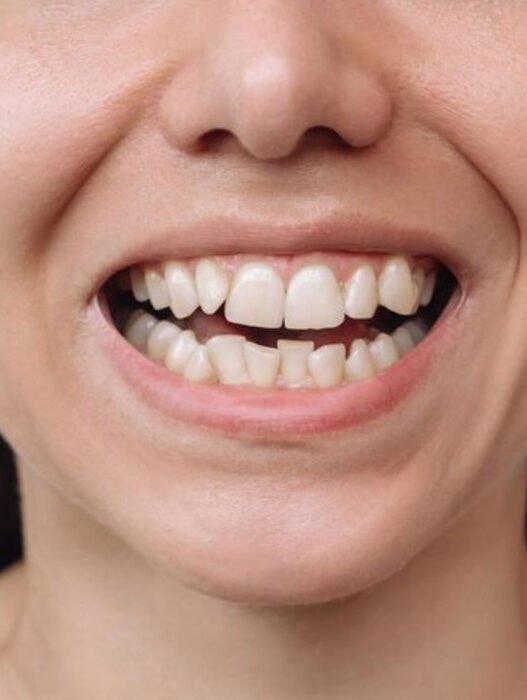
It often starts with one tooth. A break that could not be saved, a deep cavity, or a long standing gum problem. The tooth is removed, you heal, and for a while you just get on with life. Then you notice you chew more on one side. Certain foods feel risky. You might hear a small click in your jaw. You begin to smile with your lips closed without even thinking about it.
Missing teeth can trigger several problems over time. The neighboring teeth start to drift into the empty space. The tooth above or below the gap can “over erupt” because it no longer has anything to bite against. Your bite changes. This can strain the jaw joints and muscles and sometimes lead to headaches or facial discomfort.
There is also an emotional cost. Many people feel older than they are. Some avoid social events or work opportunities because they are worried about how they look or how their teeth will function during a meal. This is not vanity. It is a very human response to a change that affects your face and your voice.
So where does that leave you if you are choosing between options like partial dentures, bridges, or implants for restoring your teeth?
How do dental implants help in ways other options cannot?
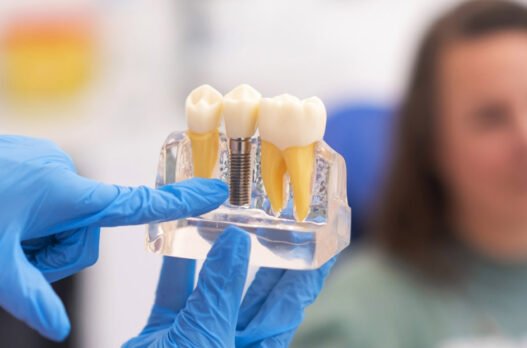
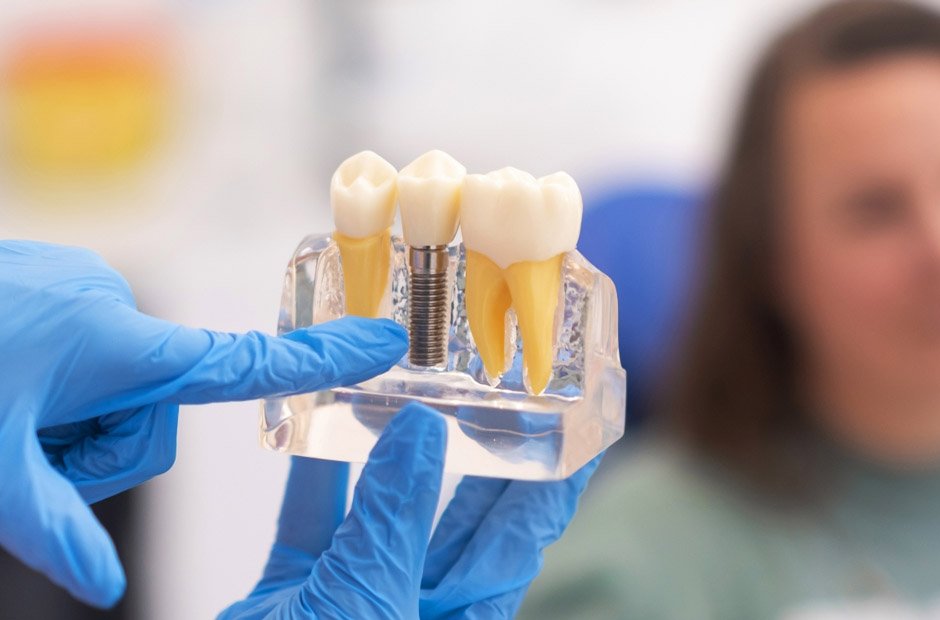
A dental implant is a small post placed into the jawbone where the root of a missing tooth used to be. Over time, the bone attaches to this post, creating a stable base that can support a crown, bridge, or full arch of teeth. Implant tooth replacement is different from removable dentures or traditional bridges because it works with your bone instead of just resting on your gums or leaning on neighboring teeth.
Here are five key benefits of implant dentistry in restorative care that many patients notice in daily life.
- A more natural feel when you chew and speak
Because implants are anchored in bone, they often feel closer to natural teeth than removable dentures. You can usually bite with more confidence, and you do not have to worry about a plate covering the roof of your mouth. Many patients find that their speech feels clearer once they are used to the new teeth, especially compared with loose or ill fitting dentures.
- Protection for your jawbone and facial shape
When a tooth is lost, the bone that used to hold it begins to shrink, a process known as resorption. Over years this can change the shape of your jaw and give the lower face a sunken look. Implants help stimulate the bone, which can slow or reduce this bone loss. You keep more of your natural facial structure and avoid some of the “collapsed” look that can come with long term tooth loss.
Research on modern implant materials and their interaction with bone has grown steadily. Resources such as the National Institute of Dental and Craniofacial Research dental materials overview show how much effort goes into making implants and restorations safer and more durable.
- Stability without relying on neighboring teeth
A traditional bridge uses the teeth on either side of a gap as anchors. This often requires those teeth to be reshaped and covered with crowns. If those teeth are already healthy, that can feel like a sacrifice. Implants stand on their own. They do not require cutting down the teeth next door, which helps preserve more of your natural tooth structure for the long term.
- Better comfort and fewer sore spots
Removable dentures sit on the gums. Even a well made denture can cause sore spots, rubbing, or pressure points, especially as the bone under the denture changes shape over time. Implants transfer most of the chewing force to the bone, not the soft tissue. Many people find this more comfortable, especially for eating firmer foods.
- Long term value when properly maintained
Implants do cost more upfront than a basic denture or some bridges. However, because they are designed as a long term solution, they can be more economical across many years. Crowns or bridges attached to implants might need maintenance or replacement over time, but the implant post itself often remains stable if you keep your gums and general health in good shape.
A clinical overview from the National Center for Biotechnology Information discusses long term outcomes and shows that many implants perform well when placed and cared for correctly. You can explore this type of data in the NCBI review of dental implant restoration.
How do implants compare with bridges and dentures in everyday life?
When you are weighing your choices, it can help to see the trade offs in a simple way. Each option in restorative dentistry has strengths and limits. The best choice for you depends on your health, bone levels, budget, and personal priorities.
| Treatment option | Stability when chewing | Impact on nearby teeth | Effect on jawbone | Typical maintenance |
| Single dental implant | High, close to a natural tooth | Does not require reshaping neighbors | Helps maintain bone in that area | Regular cleanings and home care, crown may need replacement over years |
| Fixed bridge | Good, fixed in place | Neighboring teeth are reshaped and crowned | Bone under the missing tooth still shrinks | Flossing under bridge, possible replacement if support teeth fail |
| Removable partial denture | Moderate, may move slightly | Clips or rests on neighboring teeth | Bone loss continues under the missing teeth | Daily removal and cleaning, adjustments as fit changes |
| Full removable denture | Varies, can slip especially in lower jaw | Does not use remaining teeth | Ongoing bone loss in jaw over time | Relines or remakes as bone changes, daily removal |
Looking at this, you can see that dental implant tooth replacement often offers the best mix of stability and bone protection. That said, not everyone is ready for surgery, or able to invest in implants right away. Sometimes a denture or bridge is a reasonable step while you plan for something more permanent later.
What should you think about before choosing dental implants?
The decision is rarely only clinical. It often involves emotions, money, time away from work, and family responsibilities. You might be worried about the surgery itself. You might also be wondering whether your health conditions, such as diabetes or osteoporosis, will affect the outcome.
A thoughtful dentist will look at your full medical history, your medications, your smoking status if that applies, and your bone levels. In some cases, you may need bone grafting or other preparatory work. That can add time and cost, yet it can also improve the long term success of the implant.
There is also the emotional side. Many people feel anxious about the idea of a screw going into bone, even though the procedure is usually done with local anesthesia and sometimes sedation. Having a clear explanation of each step, and realistic expectations about healing and temporary restorations, can reduce that fear quite a bit.
So how can you move from feeling overwhelmed to feeling in control of your choices about restorative dentistry with implants?
Three practical steps you can take right now
- Write down your priorities before any consultation
Before you meet a dentist, take a few minutes to list what matters most to you. Is it chewing comfort. Appearance. Avoiding removable teeth. Keeping cost down. Reducing the number of visits. Rank these in order. Bring this list with you. It will help you and the dentist focus the conversation on what really matters to you, instead of only on what is technically possible.
- Ask specific questions about your implant options
During your visit, ask for clear, concrete answers. For example.
How many implants do you recommend and why. What are the alternatives if I do not choose implants. How long will each stage take from surgery to final teeth. What are the main risks in my situation and how are they managed. What will my temporary teeth be like during healing.
Do not hesitate to ask for models, drawings, or photos of cases similar to yours. The more you understand, the less room there is for fear to grow.
- Plan for healing and long term care
Implants are not a “set and forget” solution. They need healthy gums, regular cleanings, and daily home care just like natural teeth. If you smoke, talk honestly about this with your dentist, as smoking can affect healing and long term success. If you have medical conditions that affect bone or immunity, ask how they might change your care plan.
Also think about the practical side of recovery. Can you adjust your schedule for a day or two after surgery. Do you have soft foods at home. Is there someone you can call if you feel anxious or uncomfortable during the first few days. Planning ahead makes the whole process feel more manageable.
Moving forward with more confidence
If you are reading this, there is a good chance you are tired of feeling limited by missing or failing teeth. You want to eat without worry, speak without thinking about your mouth, and smile without planning how to hide. Dental implants are not the only answer, yet for many people they are a strong foundation for a stable, confident future.
You do not need to decide everything today. Start by gathering information, asking honest questions, and being clear about what you want your life to look like after treatment. A thoughtful approach to restorative dental care can help you move from frustration to a plan that feels right for you.
Your smile has carried you through a lot already. With the right support and a careful plan, it can carry you even further, with strength, comfort, and a sense of ease you might not have felt in years.