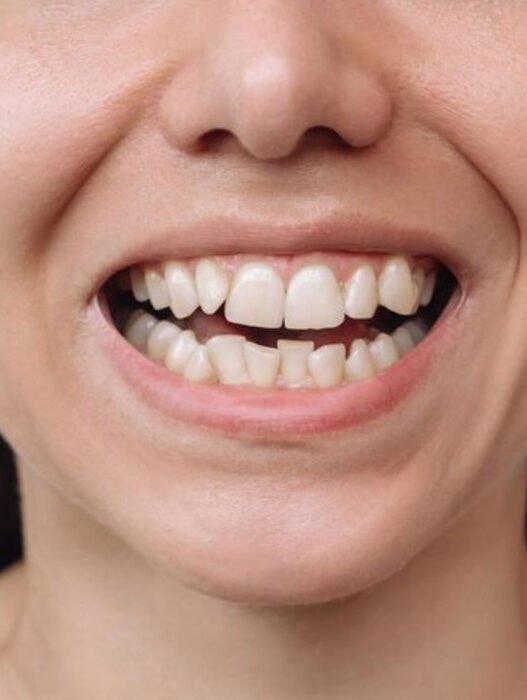
You might be feeling a mix of excitement and worry. You want a brighter, straighter, more confident smile, but you are also wondering what has to happen to your teeth to get there. Maybe you have a couple of sensitive spots, an old filling that aches when you chew, or a tooth you quietly avoid when you smile in photos. A Lansdale, Pennsylvania dentist can help you address these concerns and guide you toward the smile you’re hoping for.
Because of this tension, you might be asking yourself a fair question. Is it safe to jump straight into whitening, veneers, or other cosmetic work, or do you need to “fix everything” first with general dentistry? The short answer is that successful cosmetic results almost always start with healthy teeth and gums. Cosmetic care sits on top of whatever is already there. If the foundation is weak, the results rarely last.
So, where does that leave you? General dentistry is the step that quietly prepares your mouth so that cosmetic treatments look better, feel better, and hold up for years, not months. It finds decay before it spreads, calms down gum inflammation, and stabilizes your bite so your new smile is not built on a moving target.
Think of what follows as a calm guide. You will see how routine exams, fillings, cleanings, and other basic care connect directly to the success of whitening, bonding, veneers, and other cosmetic options. You will also get a few clear steps you can take right away, even if you are still unsure what you want to do.
Why a healthy foundation matters before cosmetic treatment
Imagine painting over a wall that has cracks and moisture damage. It might look fine for a few weeks, then the paint bubbles and peels. Cosmetic dentistry on unhealthy teeth is similar. It can cover the problem, but it cannot cancel it.
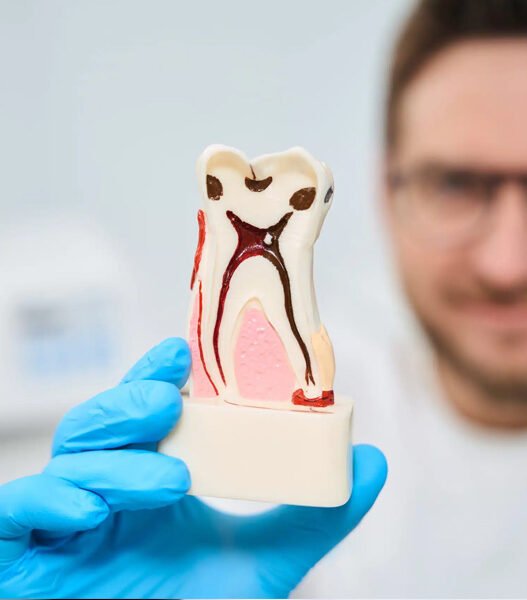
Tooth decay is a good example. The Centers for Disease Control and Prevention explains that cavities are one of the most common chronic conditions, affecting people of all ages. You can see more about that in their overview of cavities and tooth decay. If decay is hiding under an old filling or between teeth, and you place a veneer or a crown over it without treatment, the decay continues. In time, the tooth may break or become infected, which can mean a root canal or even an extraction under a restoration you recently paid for.
Gum health is another quiet factor. Inflamed or infected gums can bleed and recede. If you have beautiful veneers placed while your gums are not stable, the gum line may change around them. That can create dark edges, uneven shapes, or even loosen restorations. General dentistry focuses on cleaning under the gum line, adjusting home care, and sometimes offering deeper treatments so your gums are calm and steady before cosmetics are planned.
So why is this so stressful? Because you may feel that every visit finds “one more problem,” and your cosmetic goals keep moving farther away. That frustration is real. The key is understanding that well-planned general and cosmetic dentist care is not a series of random repairs. It is a stepwise plan that first protects your health, then enhances your appearance.
How general dentistry quietly sets up cosmetic success
Think about a few common “what if” situations.
What if your front teeth are slightly chipped and discolored, and you want veneers? During a general exam, your dentist finds that one of those teeth has a crack running toward the root. Placing a veneer directly on that tooth might lead to pain or breakage later. With proper imaging, a bite evaluation, and possibly a crown instead of a veneer, the tooth can be strengthened first. The cosmetic result still looks great, but now it is supported.
Or imagine you want whitening for an upcoming event. If you have untreated cavities, whitening gel can seep into those weakened areas and cause significant sensitivity. The American Dental Association recommends an evaluation before whitening so that any decay or issues can be addressed. You can read more in their guidance on tooth whitening safety. When general dentistry steps in first, whitening can be planned in a way that respects the condition of your teeth, often with less discomfort and more even results.
There is also the quiet role of bite alignment. If your bite is uneven, certain teeth absorb more pressure. Place cosmetic bonding or porcelain on those overloaded teeth, and they may chip or fail early. General dentistry looks at how your teeth come together, smooths small interferences, and may suggest orthodontic care or small adjustments. That way, your cosmetic work is not constantly fighting against your own bite.
Under all of this is a simple truth. Cosmetic dental treatment is not separate from your overall oral health. It is an extension of it. When decay, gum disease, and bite issues are managed first, cosmetic outcomes are more natural, more durable, and less likely to surprise you with new problems.
Comparing “cosmetics first” with “health first” planning
It can help to see the differences between jumping straight into cosmetic work and following a health-first approach supported by general dentistry. This is not about judgment. It is about giving you clear information so you can choose what feels right.
| Approach | Short-term experience | Long-term outcome | Typical risks |
| Cosmetic treatment without full general exam | Faster cosmetic changes. Fewer initial appointments. | Higher chance of repairs, replacements, or emergencies later. | Hidden decay under restorations, gum recession around veneers, sensitivity with whitening. |
| General dentistry before cosmetic work | More planning visits. Some treatment before “visible” changes. | More stable results, fewer surprises, cosmetic work lasts longer. | Requires patience and an upfront time and cost investment. |
| DIY or online only cosmetic options | Convenient and often lower initial cost. | Very unpredictable. May need professional correction. | Worsening decay, gum irritation, bite changes, and difficulty cleaning around appliances. |
Research from sources like the National Institute of Dental and Craniofacial Research shows how common untreated decay is and how it progresses if ignored. You can see their overview of tooth decay and its impact. When that decay is treated first, cosmetic work does not cover a problem. It is finishing a solution.
Three practical steps before you start cosmetic treatment
- Schedule a “health first” evaluation
Ask for a complete exam that focuses on cavities, existing fillings or crowns, gum health, and your bite. Be honest about your cosmetic goals. A good treatment plan will lay out which general treatments are truly necessary before cosmetic work and which can be monitored. This clarity often reduces anxiety because you can see the path instead of guessing.
- Prioritize stability, not perfection, in the first phase
You do not have to fix everything at once. Focus on treating active decay, painful teeth, and significant gum inflammation first. Then stabilize your bite if needed. This creates a safe base for any cosmetic dentistry. Ask your dentist to group care into phases. For example, phase one could be urgent and health-focused, while phase two can be cosmetic, and timing can be more flexible.
- Protect your investment with daily habits
Cosmetic work is an investment. Protecting it starts before it is even placed. Improve brushing and flossing routines now so your gums are healthier by the time cosmetic treatment begins. If you clench or grind, ask about a night guard. Small habits can dramatically extend the life of whitening, bonding, veneers, and crowns, and they also keep your natural teeth stronger under any restorations.
Moving toward a smile that is beautiful and safe
You do not have to choose between a healthy mouth and a confident smile. With a thoughtful plan that uses general dentistry as the foundation, you can have both. The process may feel slower at first, especially when you are eager to see visible changes, but each cavity treated, each cleaning completed, and each bite adjustment made is laying the groundwork for cosmetic results that feel natural and last.
If you feel uncertain or overwhelmed, that is understandable. You are not behind, and you are not “too late.” The next step is simple. Find a dentist who is willing to talk through your goals, start with your health, and then design cosmetic options that fit your life, your budget, and your comfort.
Your smile is not just what others see. It is how you eat, speak, and move through the day. When you respect the foundation first, the cosmetic outcome is not only more beautiful. It is something you can trust.