You might be feeling a quiet shift at home. The dog who used to bolt to the door now takes a moment to stand up. The cat who once perched on the highest shelf now prefers a soft chair. Nothing dramatic. Just small changes that make you wonder if your best friend is getting old, and whether you are doing enough—or if it’s time to talk to experienced Toronto veterinarians.
That mix of love and worry can sit heavy on your chest. You want your pet to be comfortable. You do not want to overreact, but you also do not want to miss something serious. You may be hearing different opinions from family, friends, and the internet, and it can leave you unsure about what to do next.
Here is the short version of what you need to know. Senior pets have different needs than younger ones. A trusted animal hospital can guide you through these later years, help you catch problems early, manage chronic conditions, and support you emotionally and practically as things change. You do not have to figure it out alone, and with the right help, many older pets can enjoy years of comfort and connection.
When your pet starts slowing down, what is really going on?
At first it might look simple. A bit more sleep. A missed jump. A slower walk around the block. Because these changes are gradual, it is easy to explain them away as “just old age.” The trouble is that “old age” is not a diagnosis. It is a stage of life where hidden medical issues become more likely.
For example, a dog who seems “lazy” might be dealing with arthritis in the hips. A cat who urinates outside the litter box might have kidney disease or pain getting in and out of the box. A pet who suddenly seems grumpy may be living with chronic discomfort, dental pain, or even cognitive decline that feels like confusion or anxiety.
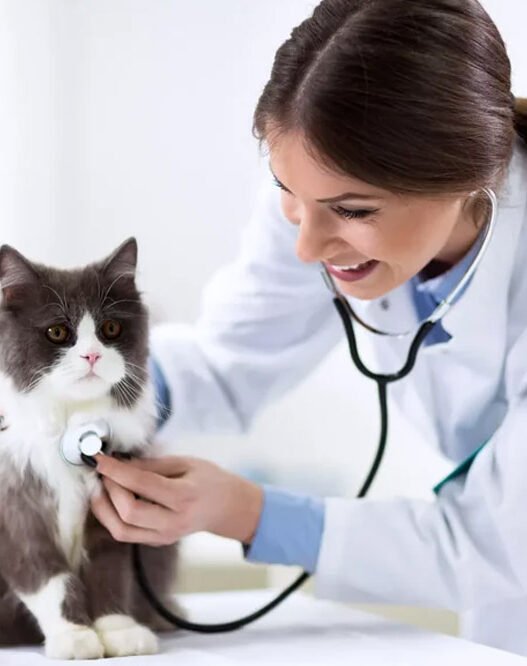
This is where an animal hospital for senior pets becomes more than just a place for shots and emergencies. It becomes your partner in translating those small changes into clear information. Through regular exams, blood work, and honest conversation, your veterinary team can separate normal aging from treatable disease, so you are not guessing in the dark.
Why do senior pets feel so “high stakes” for you?
Once you realize your pet is a senior, a new kind of pressure can set in. You may feel that every decision matters more than it used to. Should you do that extra test. Try that new medication. Change the diet. You are weighing comfort, money, and time, and you know you cannot get these years back.
The emotional side is real. You might be afraid to ask hard questions at the veterinary clinic because you do not want to hear the answers. Or you might feel guilty that you did not bring your pet in sooner. Financial stress can add another layer, especially if you are facing repeat visits, long term medications, or surgery.
Because of this tension, you might wonder if you should just “wait and see” at home. The risk is that waiting can allow small, manageable issues to become crises. Animal hospitals are trained for exactly this kind of uncertainty. A good team will not push you into every possible test. Instead, they can walk you through options, explain what matters most right now, and help you match the medical plan to your budget and your pet’s personality.
Current veterinary guidance reflects this approach. The 2023 AAHA Senior Care Guidelines for Dogs and Cats recommend more frequent wellness exams and tailored screening for older pets, not to sell more services, but to catch silent problems before they suddenly become emergencies.
How exactly do animal hospitals support senior pet care?
Think of the animal hospital as a hub for your older pet’s needs. The same place that gives vaccines becomes the place that manages arthritis, kidney disease, heart problems, and changes in behavior or appetite. Everything connects.
Here are some of the core ways animal hospitals help with senior care.
- Proactive wellness and screening
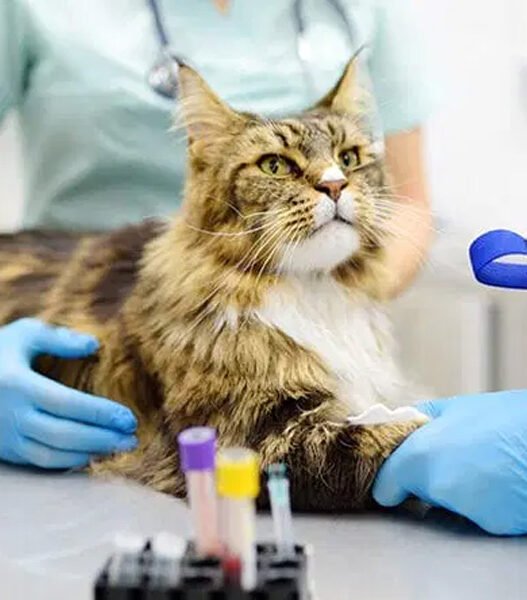
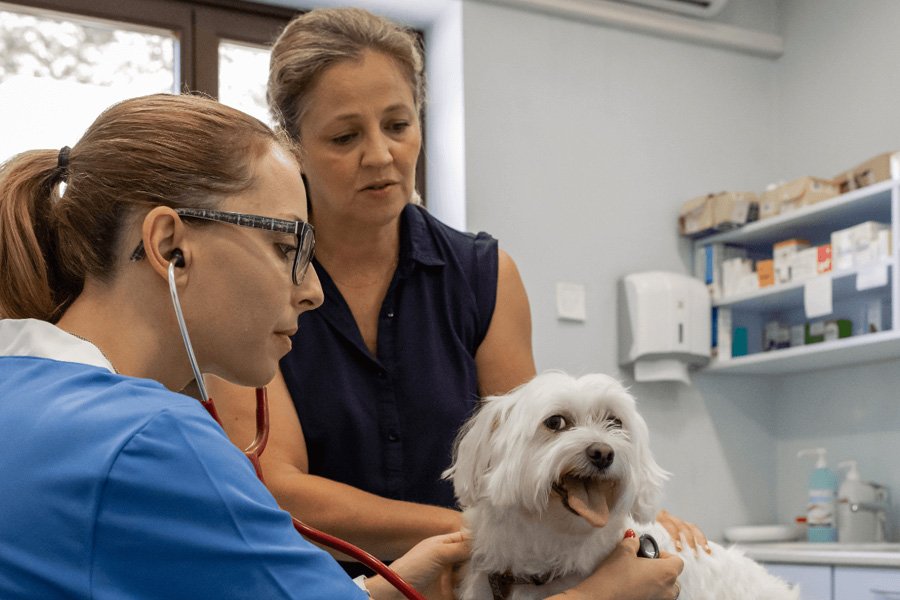
As pets age, most clinics recommend checkups every 6 months rather than once a year. These visits often include physical exams, blood and urine tests, and blood pressure checks. Subtle changes, like early kidney changes or rising blood pressure, can appear long before your pet looks sick at home.
- Pain management and mobility support
Many senior pets live with untreated pain. Animal hospitals can offer medications, joint supplements, weight management plans, and sometimes physical therapy or acupuncture. A dog who struggles with stairs might walk comfortably again. A cat who hides more might return to your lap once pain is under control.
- Nutrition and weight guidance
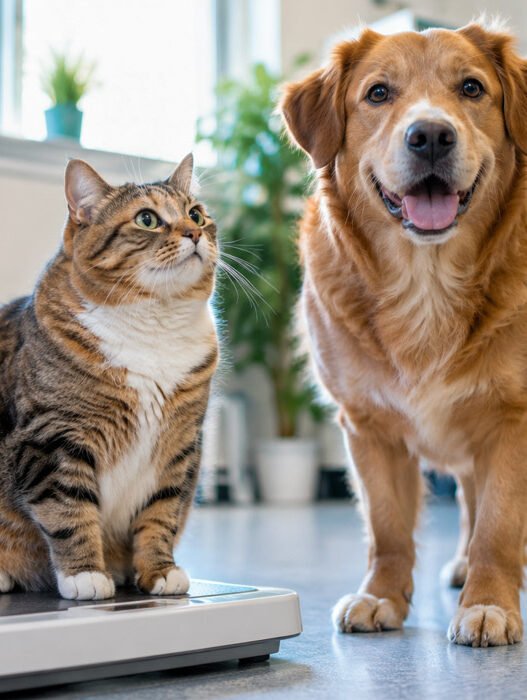
Older pets often do better on diets designed for senior needs. That can mean fewer calories, more high quality protein, or special formulas for kidneys, joints, or digestion. Your veterinary team can help you adjust food and feeding routines so your pet maintains a healthy weight without feeling hungry or deprived.
- Cognitive and behavior support
If your pet seems lost at night, stares at walls, or forgets routines, it may be a form of cognitive decline. Animal hospitals can rule out medical causes, then suggest supplements, medications, and environmental changes to support brain health and reduce anxiety.
- End of life planning and comfort care
This is the part most people do not want to think about, yet it is where strong support matters most. A trusted veterinary team can help you track your pet’s quality of life, adjust pain control, and prepare for hospice care or euthanasia when the time is right. You do not have to decide this alone, and you do not have to wait until your pet is in crisis.
Should you “wait and see” at home or visit an animal hospital?
It can help to see the tradeoffs clearly. The table below compares managing an aging pet on your own with working closely with an animal hospital.
| Approach | What it looks like | Short term impact | Long term impact |
| “Wait and see” at home | Watching changes, using home remedies, delaying vet visits unless there is an emergency | Lower immediate cost. Less time at the clinic. Ongoing worry about what you might be missing. | Higher risk of sudden crises. More expensive emergency care. Possible shorter or less comfortable life for your pet. |
| Regular senior care with an animal hospital | Checkups every 6 months, age focused tests, ongoing conversations about comfort and quality of life | More planned visits and some added cost. Clearer understanding of what is happening and why. | Better chance to catch problems early. More options for treatment. Longer period of good quality life and fewer surprises. |
Seeing it laid out this way, many owners realize they are not choosing between “doing nothing” and “doing everything.” They are choosing between reactive crisis care and steady, guided support from a senior pet care partner.
Three practical steps you can take for your senior pet right now
- Schedule a dedicated senior checkup
If your pet has not been to the animal hospital in the last 6 to 12 months, book a visit and tell the staff you want a senior wellness exam. Bring a list of any changes you have noticed. Sleeping habits. Eating. Drinking. Litter box or bathroom patterns. Stairs. Jumps. Mood.
Ask specifically about senior screening tests that fit your budget. Even a basic blood and urine panel can uncover early disease that you can address before it becomes serious.
- Create a comfort checklist at home
Walk through your home as if you were your older pet. Are food and water easy to reach. Is the litter box low enough. Are there rugs or non slip mats where floors are slippery. Is there a soft, supportive bed in a quiet spot.
Write down 3 small changes you can make this week. Maybe a ramp to the couch, an extra litter box on the main floor, or raising food bowls for a stiff neck. Share this checklist with your veterinary team so they can add ideas tailored to your pet’s condition.
- Start a simple “good days and bad days” log
Quality of life can be hard to judge in the moment. Keep a short daily log for your senior pet. Note appetite, interest in favorite activities, mobility, and interactions with you. Over a few weeks, patterns will appear.
This log becomes incredibly helpful during visits to your senior pet care animal hospital. Instead of trying to remember how your pet has been “overall,” you can show clear trends. That makes it easier to adjust medications, pain control, and activity levels in a way that truly fits your pet.
You do not have to carry this stage alone
Caring for an aging pet can stir up love, fear, hope, and sadness all at once. You want to honor the years you have shared. You want more time, but you also want that time to feel good, not just long.
An experienced animal hospital team can stand beside you through all of it, from the first gray hairs to the hard choices at the end. They can offer medical skill, yes, but also calm explanations, honest guidance, and a place where your worries are taken seriously.
You are not expected to know every answer. Your job is to notice, to care, and to reach out for help when something feels off. The role of animal hospitals in managing senior pet care is to meet you there, to share the weight, and to give your older companion the comfort and dignity they deserve.