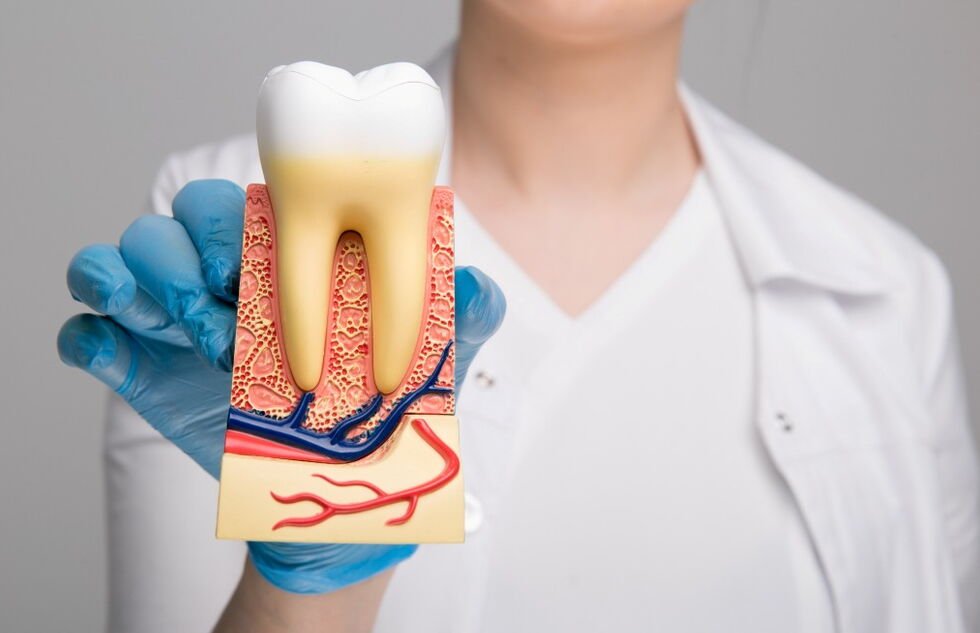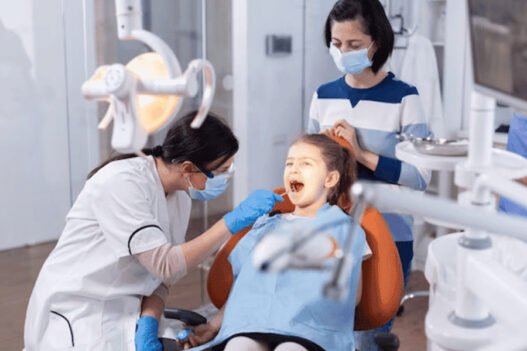
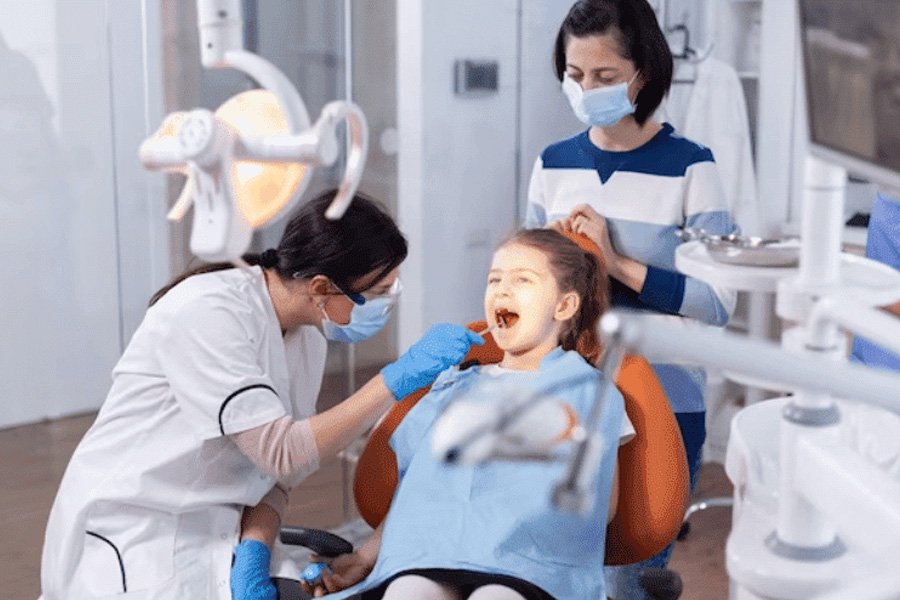
You are probably juggling a lot already. One child needs a cleaning, a parent has sensitive teeth, you have been putting off your own exam, and somehow every appointment seems to land on a different day with a different office and a different set of forms. That is how preventive care gets pushed aside. Not because you do not care, but because the system can feel harder than it should. A South Reno dentist can help make the process simpler for everyone in your household.
How multigenerational dental care improves access to preventive services comes down to one simple shift. When one practice sees children, parents, and grandparents, it becomes easier to keep routine care on the calendar, easier to catch small issues early, and easier to build habits that protect the whole family. A trusted family dentist can turn scattered dental visits into a steady plan.
Multigenerational dental care removes the friction that keeps families from preventive visits
Most people do not skip cleanings because they think prevention does not matter. They skip because life gets crowded. Separate providers often mean separate schedules, separate insurance questions, and separate comfort levels. One person is nervous about treatment, another needs school hour appointments, and an older adult may need help with transportation. Those details add up fast.
When multiple generations can be seen in one place, the logistics ease up. A parent can book sibling checkups together, schedule their own exam the same week, and coordinate care for an aging parent without starting over at another office. That convenience matters because regular preventive visits are where cavities, gum disease, bite problems, dry mouth, and oral cancer concerns are often found early.
The Centers for Disease Control and Prevention explains that preventive oral health care lowers the risk of common dental problems through basics like fluoride, sealants, cleanings, and home care. Those steps sound simple, but they work best when they happen consistently. Consistency is exactly what multigenerational care supports.
Family based dental care builds trust across every age group
Trust changes how often people seek care. Children who grow up seeing the same dental team often become adults who do not avoid the dentist until pain forces the issue. Parents who feel respected are more likely to ask questions about brushing, diet, thumb sucking, mouthguards, or grinding. Older adults are more likely to mention denture fit, medication related dry mouth, or bleeding gums when they know they will be heard.
This matters even more in families where one person’s fear shapes everyone else’s decisions. If a child is anxious, a familiar office helps. If a grandparent has not been in for years, seeing younger family members receive calm routine care can lower that barrier. If you have ever delayed making an appointment because you did not want to manage everyone’s emotions on top of your own, that is real. A stable care relationship makes those visits feel manageable.
Research also points to the value of early and regular dental contact. The National Institute of Dental and Craniofacial Research reports that dental visits increase support for pediatric providers, reinforcing that children benefit when oral health care is part of routine health support, not an afterthought. In a multigenerational setting, that mindset often spreads through the family.
Preventive dental services become easier to maintain when care is coordinated
Coordination is where this model really helps. A child may need sealants, a parent may need periodontal maintenance, and a grandparent may need monitoring for root decay or dry mouth caused by medication. These are different needs, but they all fit under prevention. When one office tracks the family’s history over time, patterns become easier to spot.
That can affect daily choices at home. If several family members are dealing with decay, the conversation may shift toward snack habits, fluoride use, and bedtime brushing routines. If gum disease runs in the family, regular cleanings and home care get more attention. If one person is wearing down teeth from grinding, others may realize their headaches or jaw pain deserve a closer look.
Multigenerational oral health care is not just about convenience. It creates continuity. Continuity is what helps preventive advice stick long enough to become routine.
Comparing scattered dental visits with coordinated family dental care
| Care Approach | Common Challenges | Effect on Preventive Services |
| Separate providers for each age group | More scheduling conflicts, repeated paperwork, uneven communication, missed follow ups | Higher chance of delayed cleanings, skipped fluoride treatments, and inconsistent home care guidance |
| One practice for children, adults, and seniors | Fewer appointment barriers, clearer records, stronger long term relationships | Better follow through on exams, cleanings, sealants, gum care, and age specific prevention plans |
| Problem based dental visits only | Care starts after pain, swelling, or visible damage appears | Small issues are more likely to become larger and more expensive problems |
This is why preventive dental care for families has such practical value. You are not only saving time. You are lowering the odds that someone in the household falls through the cracks.
Three steps you can take now to improve access to preventive dental care
- Put every family member on one preventive schedule. Start with the people most likely to delay care. That may be you, a nervous child, or an older adult who says they will go later. Ask for the next recommended visit before leaving the office, then add it to your calendar immediately.
- Bring the full health picture to each visit. Medications, chronic conditions, pregnancy, braces, dentures, and past dental fears all affect prevention plans. A good family dental provider can tailor cleanings, fluoride, bite checks, and home care advice when they understand the whole story.
- Use trusted resources if access has been the barrier. If cost, insurance, or finding a provider has slowed you down, use the Health Resources and Services Administration guide on how to find dental care. Community health centers, dental schools, and public programs can help fill the gap.
Steady preventive care starts with one place your family can return to
Families do better with systems that are easy to keep using. That is the real strength of multigenerational care. It supports regular checkups, catches problems earlier, and makes prevention feel like part of normal life instead of one more task you keep meaning to handle.
If your household has been piecing dental care together one urgent visit at a time, there is a better way. Choosing a family dentist can make preventive care simpler, more consistent, and easier to maintain for every generation.