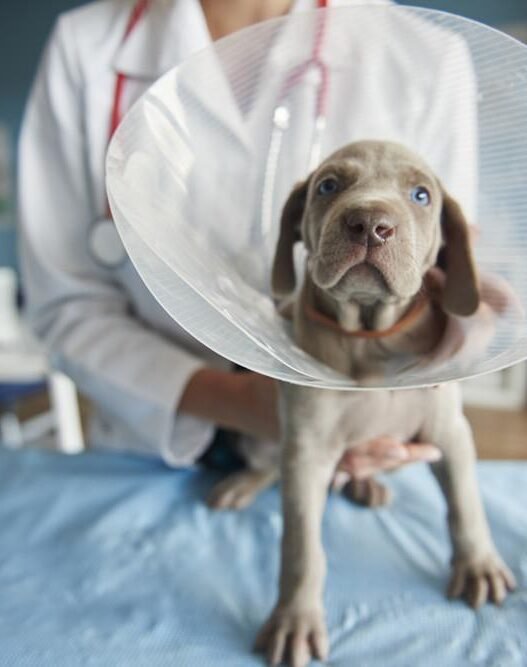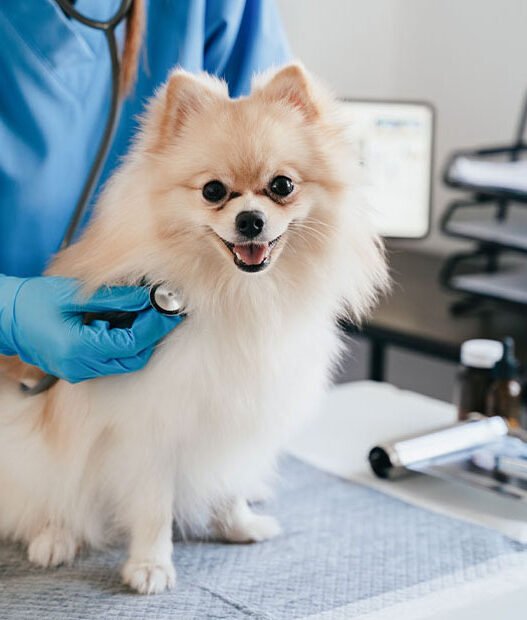
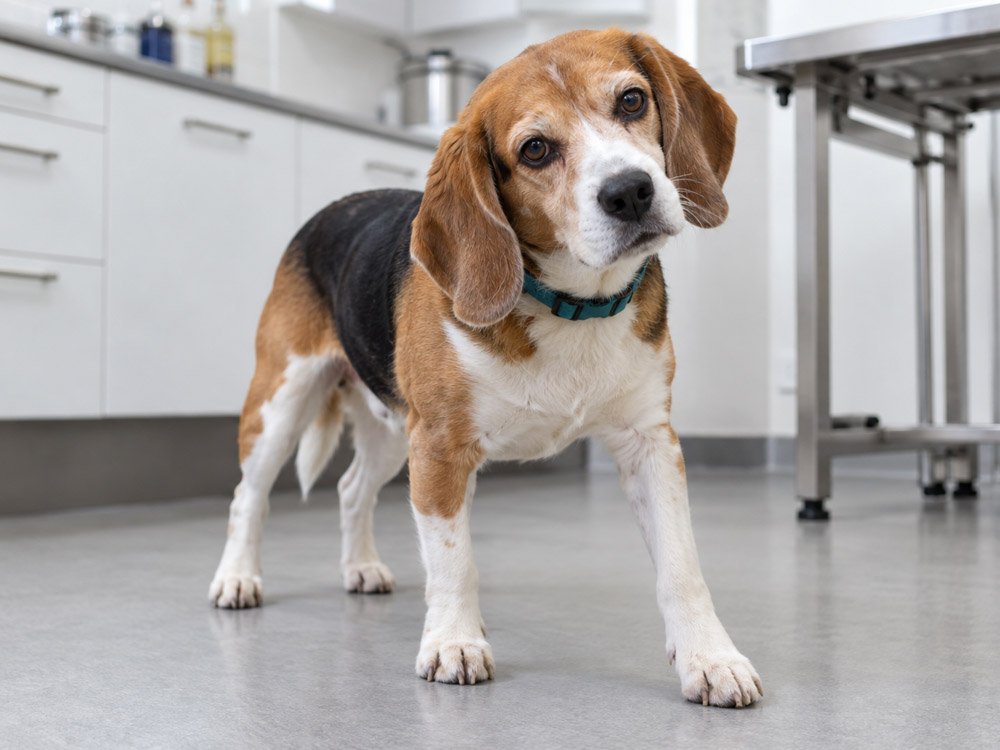
It often starts with one strange moment. Your pet stands up, sways, misses a step, or walks like the floor shifted under them. You watch it happen and your stomach drops, because you know this is not normal and you do not know if it is pain, weakness, dizziness, or something worse. A veterinarian in Guelph can help determine what is causing these symptoms.
Balance problems in pets can come from the ears, brain, nerves, muscles, joints, or even body-wide illness. That is why how vets assess balance problems and unsteady walking matters so much. The exam is not guesswork. A general veterinarian looks at how your pet moves, how their eyes track, how their head is held, how their limbs respond, and whether the problem points to the vestibular system, the spine, the brain, or something less obvious.
If your dog or cat suddenly cannot stand, has a head tilt, rapid eye movements, collapse, vomiting, or confusion, this needs prompt veterinary care. Some causes are treatable and some are urgent. Getting the right exam early can save time, money, and suffering.
Veterinarians use movement and neurologic clues to locate the problem
When a pet is wobbling, drifting, circling, or falling, the first goal is to figure out where the loss of balance is coming from. A veterinarian starts with a history because the details change the whole picture. Sudden onset can suggest vestibular disease, toxin exposure, stroke-like events, or trauma. Slow decline can point toward arthritis, spinal disease, muscle loss, or cognitive changes in older pets.
The physical exam comes next, and gait is a big part of it. Your veterinarian watches your pet walk, turn, stand, and sometimes reposition their feet. They are looking for patterns. Is your pet weak in one limb, all four limbs, or not weak at all but clearly dizzy? Are they scuffing their nails, crossing their legs, leaning to one side, or stumbling only when they turn?
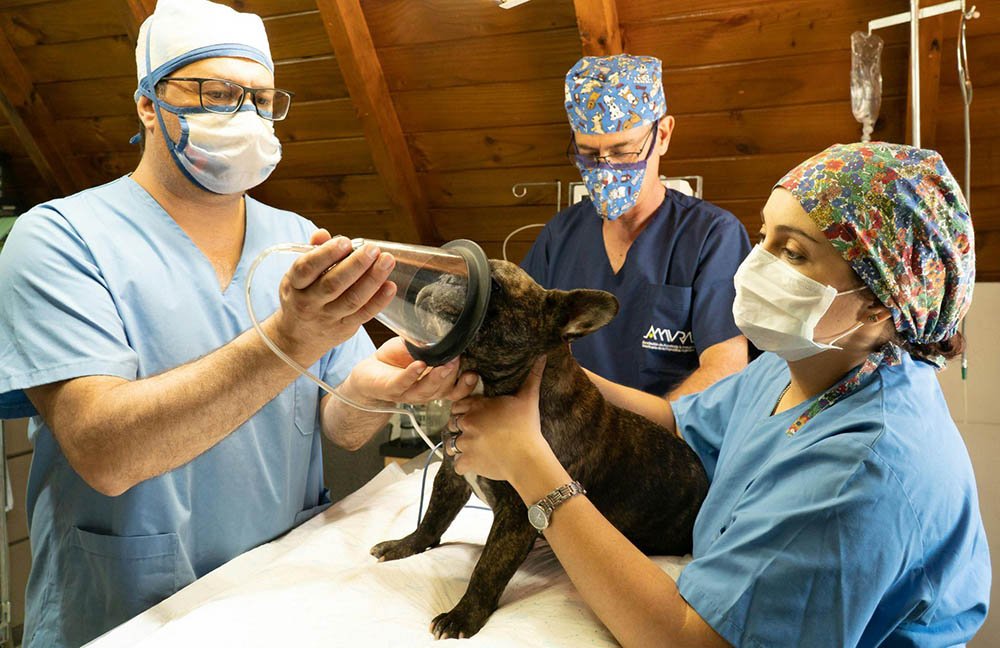
This is where a veterinary balance exam for pets becomes more than observation. Neurologic testing helps localize the issue. The neurologic examination of animals often includes checking mental status, posture, reflexes, paw placement, eye movement, and cranial nerve function. Those findings help separate an inner ear problem from a brain problem, or a nerve problem from an orthopedic one.
Inner ear disease and vestibular syndrome often cause dramatic unsteady walking
Some of the most alarming cases are vestibular. Pets can look suddenly drunk, with a head tilt, falling, rolling, nausea, and flicking eye movements called nystagmus. Owners often fear the worst because the change is so abrupt. In many cases, the signs are real and serious, but not every vestibular case means a hopeless outcome.
In cats, vestibular syndrome can stem from inner ear disease, inflammation, infection, tumors, toxins, or idiopathic causes. Dogs can have similar signs. The exam helps tell whether the problem is more likely peripheral, meaning the inner ear and related nerves, or central, meaning the brainstem or cerebellum. Central disease often comes with other neurologic deficits, which changes the urgency and the next steps.
That distinction matters because the treatment plan can be very different. An ear infection may need medication and follow-up imaging. A central nervous system problem may call for advanced imaging, referral, and intensive care. The walk into the exam room may look similar in both cases. The deeper exam is what separates them.
Senior pets may have more than one cause of poor balance
Older pets rarely read the textbook. A senior dog may have arthritis, muscle loss, reduced vision, and cognitive decline all at once. That can create a slow, uneven gait that looks like dizziness when it is actually a mix of weakness, confusion, and pain. In some dogs, behavior changes and wandering add another layer. Cornell’s page on senior dog dementia explains how cognitive dysfunction can affect orientation and movement in aging pets.
This is why a general veterinarian does not stop at one explanation too early. Bloodwork may be needed to look for metabolic disease. Ear exams can uncover infection. Orthopedic palpation can reveal pain that changes how a pet walks. If the signs do not fit one simple answer, your veterinarian may recommend imaging, blood pressure testing, or referral to a neurologist.
Key findings help separate urgent causes from manageable ones
| Finding | What it can suggest | Common next step |
| Head tilt with nystagmus and nausea | Vestibular disease, often inner ear or neurologic | Neurologic exam, ear exam, supportive care, possible imaging |
| Knuckling or delayed paw placement | Nerve, spinal cord, or brain involvement | Neurologic localization, spinal assessment, possible referral |
| Weakness rising or climbing stairs | Arthritis, muscle loss, neurologic disease, systemic illness | Orthopedic exam, bloodwork, gait assessment |
| Circling, confusion, behavior change | Brain disease, cognitive decline, vestibular disorder | Neurologic exam, blood pressure, lab work, possible imaging |
| Sudden collapse or inability to stand | Emergency neurologic, cardiac, toxin, or trauma issue | Immediate veterinary evaluation |
What you can do right away when your pet is walking unsteadily
Record the episode. A short video of your pet walking, turning, standing up, or falling can be one of the most useful things you bring to the visit. Some pets freeze at the clinic and move differently there. Video helps your veterinarian see the problem as it happens at home.
Limit movement and prevent injury. Keep your pet off stairs, slick floors, and furniture. Use rugs or towels for traction. Carry small pets when needed. If your pet is nauseated, disoriented, or rolling, keep the space quiet and safe until you can get care.
Track the timeline and associated signs. Write down when it started, whether it came on suddenly, and whether you saw vomiting, head tilt, eye flicking, ear scratching, pain, weakness, accidents in the house, or behavior changes. This helps with vet evaluation of wobbling in pets because timing and pattern often narrow the list of likely causes fast.
Prompt assessment gives your pet the best chance at steady footing
Watching your pet lose balance is frightening because the change can be dramatic and the cause is not obvious from the outside. The good news is that veterinarians have a clear process for sorting through unsteady walking, from gait observation to neurologic testing to targeted diagnostics. A general veterinarian can often identify whether the problem is likely vestibular, orthopedic, spinal, cognitive, or systemic, and that guides what happens next.
If your pet is stumbling, swaying, circling, or falling, do not wait to see if it simply passes. Schedule a visit with a general veterinarian as soon as you can, and seek urgent care right away if your pet cannot stand, seems confused, or worsens quickly.