You know the feeling. Your pet is breathing oddly, refusing to stand, or suddenly crying out, and your mind jumps straight to the worst case. In that moment, you are not thinking about schedules or paperwork. You are trying to stay calm while your heart is racing. That is why emergency care is not only about treating the animal in front of the medical team. It is also about helping the person holding the leash, carrier, or blanket feel informed, respected, and less alone at a trusted veterinary clinic in Dallas, TX.
How veterinary clinics reduce owner anxiety during emergencies often comes down to a few clear things. Fast triage, plain language, steady updates, and a team that explains what is happening without making you feel lost. Good emergency support for pet owners does not erase fear, but it does replace confusion with direction, and that shift matters more than most people expect.
Clear communication changes the emotional temperature fast
Panic grows in silence. When a pet is taken to the treatment area and you are left in the lobby with no update, every minute feels longer than it is. Clinics that lower stress usually do one thing well from the start. They tell you what happens next.
That may sound simple, but it changes everything. A receptionist who says your pet will be triaged first, a technician who explains why more critical cases may go back sooner, and a veterinarian who gives a realistic first impression all help bring your thoughts back into order. You may still be scared, but at least you are not guessing.
This is where many veterinary emergency anxiety reduction efforts begin. Staff members who avoid jargon, repeat key details, and tell you when the next update will come create a sense of structure. Structure helps people regulate. If you know your dog is getting oxygen, bloodwork, and pain control, you are less likely to imagine that nothing is being done.
Owner anxiety rises when money and medical uncertainty collide
Medical emergencies are emotional, but they are also practical. You may be trying to make decisions quickly while hearing estimates, treatment options, and possible outcomes all at once. A blocked cat, a dog hit by a car, or a pet that ate something toxic can bring immediate financial pressure. That pressure often adds guilt to the fear. People worry they will make the wrong choice, or that they will be judged if they need to ask hard questions about cost.
Clinics reduce that strain when they explain priorities. First, what must happen right now to stabilize the pet. Next, what diagnostics are recommended and why. Then, what can wait if the pet responds well. This approach gives you a path instead of a wall of information.
It also helps when the team acknowledges your reality without making you feel small. If you ask, “Do we need every test tonight?” you deserve a direct answer. If the answer is yes, the reason should be clear. If there are options, those options should be stated plainly. Trust grows when the clinic treats you as a partner in care, not an obstacle to it.
The same calm, practical mindset matters before a crisis starts. The CDC offers a useful guide on pet emergency preparedness, which can help you build a plan before emotions take over.
Prepared systems inside the veterinary clinic lower panic outside the exam room
Owners often judge a clinic’s calm by what they can see. Is the front desk organized. Does someone make eye contact. Are wait times explained. Those details are not cosmetic. They signal that the team has a system.
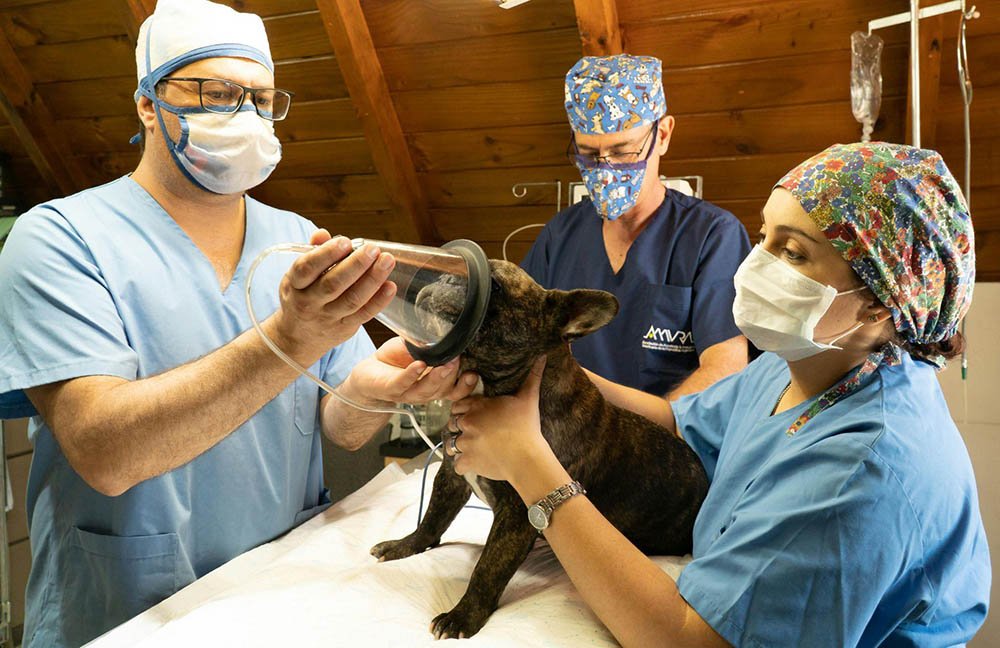
A strong veterinary clinic usually has protocols for triage, pain scoring, emergency consent, and status updates. That means your pet is not relying on improvisation in a crisis. If your dog arrives after a seizure, the team already knows who checks vital signs, who gathers history, and who contacts you with the first update. That consistency reduces errors, but it also lowers owner distress because the process feels steady.
Preparedness matters outside the clinic too. If evacuation is part of the emergency, the CDC guidance on pets in evacuation centers can help you understand what to bring and what to expect.
Comparison points that shape emergency stress
| Situation | High Anxiety Experience | Lower Anxiety Experience |
|---|---|---|
| Arrival at the clinic | No explanation of triage, unclear wait time, rushed intake | Staff explains urgency levels, gathers a focused history, sets expectations |
| Diagnostic decisions | Long list of tests with little context | Tests grouped by immediate need, purpose, and likely impact on treatment |
| Cost discussion | Estimate feels abrupt or confusing | Estimate tied to treatment stages and medical goals |
| Waiting period | Silence from staff leads to worst case thinking | Regular updates, even brief ones, reduce uncertainty |
| Home response before arrival | Owner searches random advice online and loses time | Owner follows trusted pet first aid tips and calls ahead |
Emergency veterinary care feels less chaotic when each step has context. The clinic cannot promise a certain outcome, but it can make the experience easier to understand, and that alone can keep you from spiraling.
Small actions from owners make emergency visits smoother
- Call ahead with the clearest facts you have.
Say what happened, when it started, and what your pet is doing right now. “My dog ate xylitol gum 20 minutes ago” is more useful than “He is acting weird.” Calling ahead gives the veterinary clinic time to prepare oxygen, antidote information, or a treatment space before you arrive.
- Keep a grab and go pet file.
Store your pet’s medications, vaccine record, allergies, microchip number, and regular veterinarian contact information in one place. Add a recent photo and your preferred emergency contact. When you are stressed, memory gets unreliable. A short file reduces repeated questions and speeds up decisions.
- Ask for the next milestone, not every possible outcome.
When fear is high, your brain wants the full forecast. In emergency medicine, that is not always possible right away. Ask, “What is the next step in the next 30 minutes?” That question usually gets you the clearest answer and helps you stay grounded while the team works.
Calm care helps owners think clearly when every minute feels heavy
No one feels ready when a pet emergency starts. You are trying to protect a member of your family while making fast decisions under stress. The right clinic response can ease that burden. Clear updates, organized triage, honest cost discussions, and steady guidance are the heart of how veterinary clinics reduce owner anxiety during emergencies. If your pet ever needs urgent help, seek a veterinary clinic that treats communication as part of care, because for owners, it is.