Cultivating a vibrant, lush landscape is one of the most satisfying projects you can undertake for your home. Beyond boosting curb appeal and property value, a flourishing outdoor environment creates a private sanctuary for relaxation, entertaining, and outdoor recreation. Achieving a resilient yard, however, requires more than an occasional pass with a mower. It demands thoughtful maintenance, an understanding of soil and moisture dynamics, and deliberate spatial planning. By adopting proactive seasonal practices and fine-tuning your property’s natural contours, you can transform ordinary turf into a thriving retreat that elevates your entire home.
Mastering Deep and Intentional Hydration
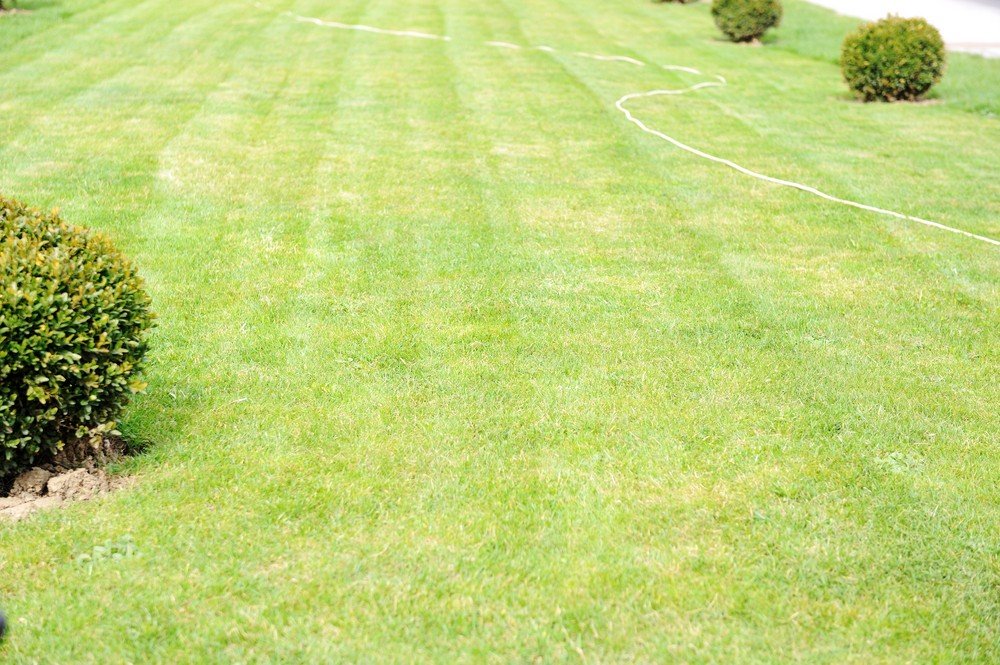
Watering deeply and infrequently encourages turfgrass roots to reach deep into the subterranean soil, making your turf far more resilient against summer heatwaves and dry spells. Shallow, daily sprinkling keeps root systems near the surface where they’re vulnerable to heat stress and evaporation. Morning remains the optimal window for irrigation, as early morning temperatures reduce evaporation while giving grass blades ample daylight to dry, preventing fungal outbreaks. According to irrigation specialists, thoroughly watering a lawn with a sprinkler setup typically takes anywhere from 60 to 90 minutes to deliver the necessary moisture. Pairing this focused watering schedule with smart timers or rainfall sensors prevents water waste, ensuring that moisture penetrates root zones evenly across the yard.
Correcting Drainage and Ground Contours
Excess standing water is just as damaging to turf and plant health as drought. Puddles that linger after rainfall suffocate delicate root systems, compact the soil, and foster moss growth and lawn disease. If water collects near the foundation or pools on flat turf, addressing the elevation and pitch of your property is essential. According to Lawn Love, regrading flat terrain significantly enhances yard drainage, requiring a minimum downward slope of two degrees to encourage natural water runoff away from turf and structures. Modifying the contour redirects heavy precipitation toward dedicated swales, rain gardens, or catch basins. This protective contouring preserves root aeration, prevents soil erosion, and safeguards your home foundation from expensive water intrusion.
Optimizing Mowing Height and Mechanical Aeration
Routine turf maintenance directly influences root resilience and weed suppression. Scalping the grass places undue physiological stress on the plant, weakening its cellular defenses against pests and opportunistic broadleaf weeds. Adhering to the rule of never removing more than one-third of the grass blade per session ensures steady, unhindered photosynthesis and encourages expansive root growth beneath the soil line.
In conjunction with proper cutting techniques, seasonal core aeration resolves high foot-traffic compaction. Mechanical aerators pull small soil plugs from the lawn, loosening packed earth and opening direct channels for oxygen, water, and vital minerals to penetrate the root zone. Overseeding immediately after core aeration places fresh seed directly into these exposed pockets, establishing dense turf that naturally outcompetes weeds without relying heavily on chemical herbicides.
Nourishing Soil Biology with Organic Amendments
A verdant lawn is built on a thriving, balanced microbial foundation beneath the surface. Conducting a comprehensive laboratory soil test reveals baseline pH levels and primary nutrient deficiencies, eliminating costly guesswork before applying amendments. Turfgrass thrives in a slightly acidic to neutral pH range, where key nutrients like nitrogen, phosphorus, and potassium remain chemically bioavailable to hungry root systems.
Integrating slow-release organic fertilizers and a light topdressing of mature compost reintroduces beneficial microorganisms and humic matter into tired soils. Leaving fine grass clippings on the turf after mowing serves as a natural, free mulch that returns valuable nitrogen to the earth as it decomposes. These consistent biological inputs improve moisture retention in sandy soils and break down dense clay, ensuring that your home lawn sustains steady, balanced vigor throughout changing seasons.
Defining Boundaries and Enhancing Privacy
A healthy yard encompasses not only thriving vegetation but also thoughtful structural design that balances security, privacy, and curb appeal. Perimeter barriers establish clear architectural transitions between distinct yard zones, shield delicate flowerbeds from wind, and provide a secure perimeter for pets and family activities. According to the USDA Forest Service, approximately half of all American residences feature an enclosed yard, with enclosures most frequently constructed around the rear property. Selecting materials that complement your home architecture—such as horizontal cedar slats, classic decorative pickets, or dark powder-coated aluminum—adds aesthetic rhythm to the landscape. Combined with perimeter shrubs and climbing vines, deliberate fencing turns wide-open turf into an inviting, protected outdoor living area.
Transforming your outdoor space into a thriving sanctuary is an ongoing journey that rewards patience, consistency, and attentive care. From establishing deep root systems through calculated watering cycles to shaping the ground for optimal runoff and framing your boundaries thoughtfully, every deliberate adjustment compounds over time. Healthy soil and resilient turf don’t happen overnight, but proactive stewardship creates an enduring ecosystem that withstands shifting seasons. When you treat your grounds with the same consideration and dedication given to interior living spaces, you establish a lush, welcoming outdoor haven that enhances your everyday life at home.