
Trucks play an important role in transportation, business operations, and everyday driving across the United States. From heavy-duty vehicles that move goods across the country to light-duty pickups used for personal transportation, trucks serve a wide range of purposes. As the industry continues to support different driving and commercial needs, vehicle ownership also brings greater attention to maintenance, customization, and long-term functionality. Understanding these trends helps explain why trucks remain an important part of the automotive market.
The Role of Trucks in Transportation and the Economy
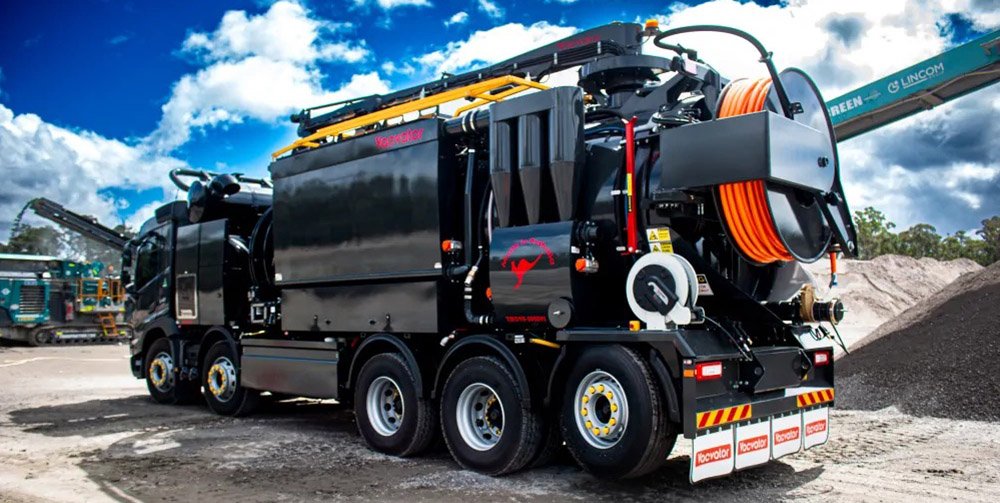
Trucks are essential to the movement of goods throughout the United States. Businesses across numerous industries depend on these vehicles to transport products, construction materials, equipment, and other necessities. Their ability to carry substantial loads makes them valuable to supply chains, distribution networks, and commercial operations. Without reliable trucking services, many businesses would face challenges moving products between manufacturers, warehouses, retailers, and customers.
According to the Federal Highway Administration, heavy-duty trucks transport more than 70% of the total freight tonnage in the United States. This figure highlights how much the country’s transportation system depends on commercial trucking. From regional deliveries to long-distance freight transportation, heavy-duty vehicles help keep goods moving and support everyday economic activity.
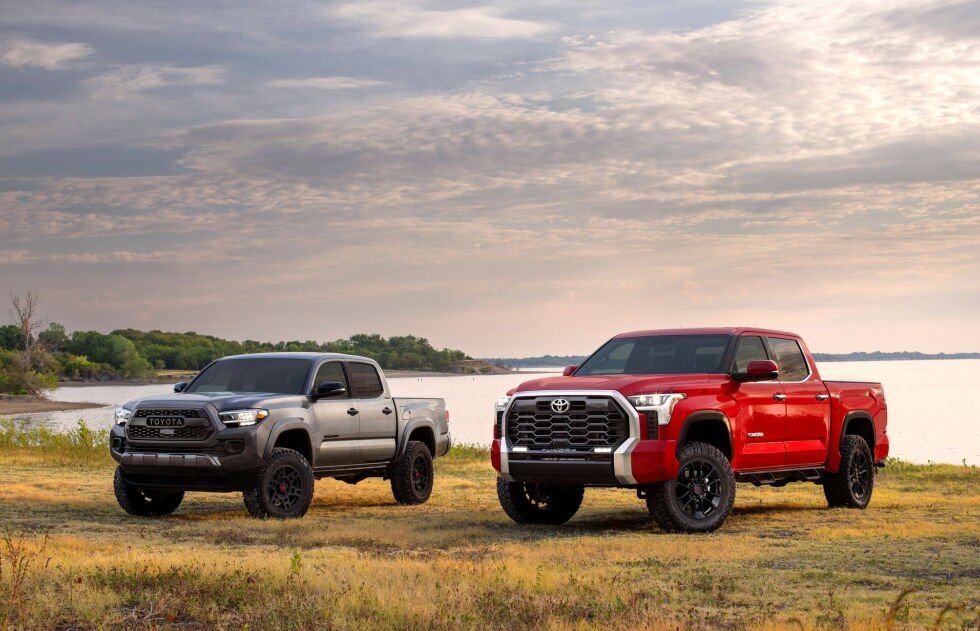
The importance of trucks also extends beyond commercial transportation. Many individuals rely on pickup trucks for commuting, recreational activities, property maintenance, and hauling personal equipment. This versatility allows trucks to serve both professional and personal purposes, contributing to their continued presence on American roads.
As transportation needs evolve, truck owners must consider how their vehicles will perform under different conditions. Commercial operators may prioritize carrying capacity and reliability, while personal owners may focus on comfort, convenience, and practical features. These different expectations continue to shape the broader truck industry.
The Importance of Truck Maintenance and Professional Services
With millions of trucks serving commercial and personal purposes, maintenance remains an important part of vehicle ownership. Regular service helps identify developing mechanical problems, address worn components, and maintain vehicle performance. For commercial operators, keeping trucks in working condition is particularly important because unexpected mechanical issues can interfere with deliveries, schedules, and daily business operations.
According to the U.S. Bureau of Labor Statistics, approximately 316,000 diesel service technicians, bus and truck mechanics, and heavy-duty vehicle specialists work across the country. This workforce reflects the demand for professionals who can inspect, maintain, and repair the vehicles that support transportation and other industries.
Modern trucks contain numerous mechanical and electrical systems that require appropriate knowledge and diagnostic equipment. Depending on the vehicle, maintenance may involve engine components, braking systems, suspension parts, transmissions, or electrical connections. Addressing concerns early can help owners avoid allowing minor problems to develop into more significant repair needs.
Maintenance requirements also vary according to how a truck is used. Vehicles that regularly carry heavy loads or travel long distances may experience different wear patterns than pickups primarily used for everyday driving. Following manufacturer-recommended service intervals and working with qualified technicians can help owners make informed decisions about their vehicles.
Changing Trends in Truck Ownership and Customization
While trucks remain important to commercial transportation, their popularity among individual vehicle owners has also influenced the automotive market. Many drivers appreciate the versatility of pickups, which can accommodate everyday transportation while providing additional space for hauling equipment, supplies, and recreational gear. This flexibility makes trucks appealing to people with different lifestyles and practical requirements.
According to Global Market Insights, light-duty trucks represent 77% of the truck market, demonstrating their substantial presence among vehicle categories. Their popularity has also contributed to interest in accessories that improve functionality, protection, and appearance. Bed covers, for example, can help shield cargo from weather exposure while giving pickup owners additional ways to customize their vehicles.
Truck accessories allow owners to adapt their vehicles to specific needs. Some prioritize cargo protection, while others look for products that improve organization, convenience, or exterior appearance. The right accessories can make a truck more practical for daily responsibilities without changing its primary purpose.
Customization also reflects the different ways people use their vehicles. A pickup used for work may require accessories that support equipment transportation, while a personal truck owner may prioritize features that protect belongings during travel. Considering intended use, vehicle compatibility, and product functionality can help owners select accessories that provide lasting value.
Looking Ahead: Evolving Priorities for Truck Owners
The truck industry continues to influence transportation, employment, and vehicle ownership throughout the United States. Heavy-duty trucks support freight movement, skilled technicians help maintain vehicle reliability, and light-duty pickups remain popular among individual drivers. As trucks serve an expanding range of purposes, maintenance and customization will continue to be important considerations. Understanding these trends allows owners to make informed decisions about caring for their vehicles and selecting features that support their everyday needs.