You pay for insurance because you expect a safety net when something goes wrong. Then a crash happens, the other driver has no insurance or not enough of it, and that safety net suddenly feels thin, especially when dealing with car accident claims. That moment is frustrating in a very specific way. You are hurt, your car may be damaged, bills are already showing up, and the person who caused it may have nothing available to cover the damage.
That is where uninsured motorist coverage matters. It can help pay for your injuries, and in some states it can also help with vehicle damage, when the at fault driver has no liability insurance. Underinsured motorist coverage steps in when the other driver has insurance, but not enough to cover the full loss. If you are trying to understand how uninsured motorist coverage works, the short answer is this: it is protection you buy under your own auto policy for the exact moment the other driver cannot pay.
Uninsured motorist coverage fills the gap left by the at fault driver
The basic idea is simple, even if the paperwork is not. If another driver causes the crash and has no insurance, your uninsured motorist benefits may pay for medical costs, lost wages, pain and suffering, and sometimes damage to your vehicle, depending on your state and policy. If the driver has only a small policy and your losses are much higher, underinsured motorist benefits may cover the difference up to your policy limits.
You might be thinking, I have health insurance, so why does this matter? Health insurance does not cover everything. It does not replace lost income. It does not pay for your car repairs. It does not compensate you for physical pain, limits on your daily life, or the stress that follows a serious injury. A bare minimum liability policy from the other driver may run out fast if you need imaging, follow up care, physical therapy, or time away from work.
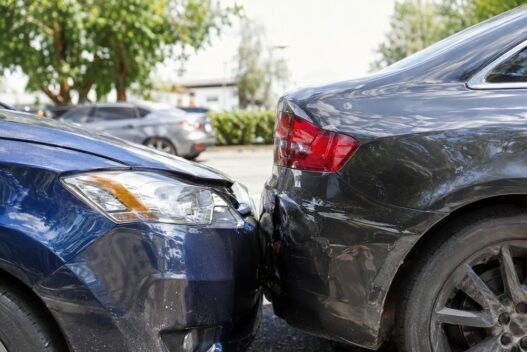
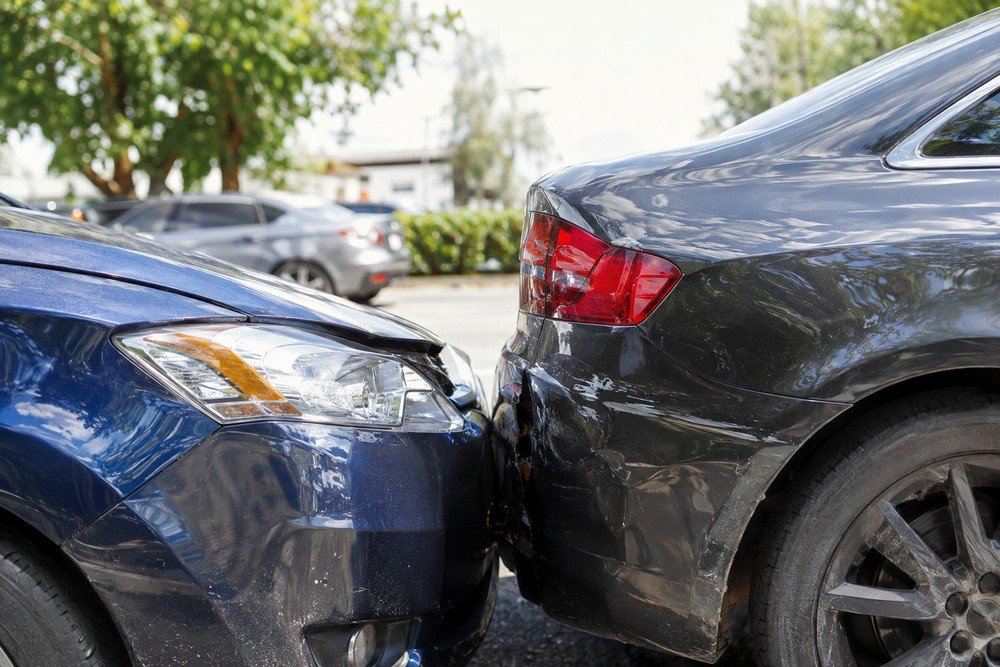
Picture a rear end collision caused by a driver who let their insurance lapse. You go to urgent care that day, then an orthopedic doctor a week later because your neck and shoulder pain keeps getting worse. You miss work, your car needs repairs, and the bills keep coming. Without uninsured driver coverage, you may be left trying to collect money from someone who may not have any. Even if you win a claim or lawsuit, collecting can be another battle.
State rules and policy language shape what uninsured motorist insurance covers
Coverage details are not identical from one state to another. Texas, for example, requires insurers to offer uninsured and underinsured motorist coverage, and drivers can reject it in writing. The Texas Department of Insurance explains that this coverage can protect you if the other driver has no insurance, does not have enough insurance, or leaves the scene in a hit and run. You can review that guidance on the Texas Department of Insurance uninsured motorist coverage page.
Ohio also gives consumers guidance on auto insurance choices, including optional coverages and policy limits. The Ohio automobile insurance guide is a good example of how state agencies explain these choices in plain language.
Those state guides help, but your own policy controls the details. Some policies include bodily injury only. Some include property damage. Some require prompt notice, proof of loss, or contact with police in a hit and run case. That is often where problems start. A person assumes coverage is automatic, then learns there were reporting rules or exclusions buried in the policy.
Claim problems grow fast when injuries and low policy limits collide
The hard part is not just the legal wording. It is the timing. You may still be in treatment when the insurer wants documents. You may not know the full value of your claim yet, but pressure to settle can start early. If your injuries seem minor at first and get worse later, a fast settlement can leave you paying out of pocket.
This is why many people speak with a personal injury lawyer after a crash involving an uninsured or underinsured driver. The issue is not only whether coverage exists. The issue is whether the insurer is valuing the claim fairly, applying the policy correctly, and accounting for future treatment, wage loss, and lasting pain.
Practical differences between handling the claim alone and getting legal help
| Issue | Handling the UM or UIM claim on your own | Working with a personal injury lawyer |
|---|---|---|
| Policy review | You rely on your reading of the policy and insurer explanations | Policy limits, exclusions, notice rules, and stacking issues are reviewed closely |
| Claim value | You may focus on current medical bills only | Medical care, lost income, pain, future treatment, and long term impact are included |
| Evidence | You gather records as best you can while recovering | Medical records, wage proof, crash evidence, and expert support can be organized for the claim |
| Negotiation pressure | Early settlement offers can feel hard to evaluate | Settlement offers are compared against documented losses and policy rights |
| Denied or delayed claims | You may not know whether the denial is valid | Coverage disputes and bad faith concerns can be examined in context |
Immediate steps protect your uninsured motorist claim
- Report the crash and get medical care. Call police if needed, especially in a hit and run. Get checked by a doctor even if the pain seems manageable at first. Gaps in care can hurt both your recovery and your claim.
- Notify your insurer and preserve every record. Report the crash promptly. Save photos, witness information, repair estimates, medical bills, discharge papers, and proof of missed work. If the other driver had no insurance or too little coverage, those records become the backbone of your uninsured motorist insurance claim.
- Get legal advice before accepting money. Once you settle, reopening the claim is often not possible. A lawyer can tell you whether the offer reflects the real cost of the crash and whether other coverage may apply.
Knowing your coverage now can spare you from a harder fight later
Most people do not think about uninsured and underinsured motorist benefits until they need them. By then, the crash has already disrupted work, health, sleep, and money. If you are dealing with that now, the confusion is understandable. The point of this coverage is simple. It protects you when the driver who caused the harm cannot.
If you are facing medical bills, lost income, or an insurer that is not giving clear answers, speaking with a personal injury lawyer can help you understand your rights and your next move. You do not need to sort through the policy language alone.