Your pet cannot tell you exactly what hurts, when it started, or whether that limp is getting worse at night. That uncertainty sits heavy. You notice a change in appetite, a cough that comes and goes, a look in the eyes that says something is off, and suddenly every hour feels longer. When you bring an animal to a veterinary hospital, you want clear answers, quick action, and care that does not miss the small details, including preventive pet care in Meridian, ID.
That is where technology has changed the standard of care. How veterinary hospitals use technology for better outcomes comes down to earlier detection, closer monitoring, more precise treatment, and safer follow up. Good tools do not replace skilled veterinarians. They give them better information, faster, which often means less guesswork and better decisions.
Veterinary technology improves diagnosis when symptoms are vague
A lot of cases do not arrive with obvious signs. A dog may seem tired for a week. A cat may hide more and eat less. A farm animal may show a slight drop in activity that is easy to miss in a large herd. Waiting for symptoms to become severe can lead to harder treatment, higher cost, and more stress for everyone involved.
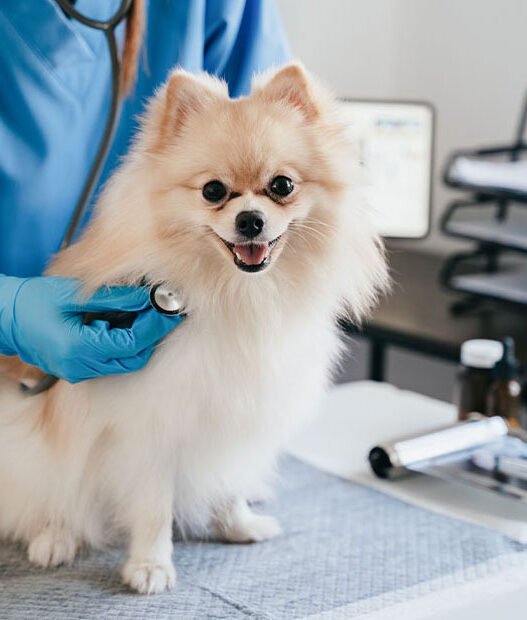
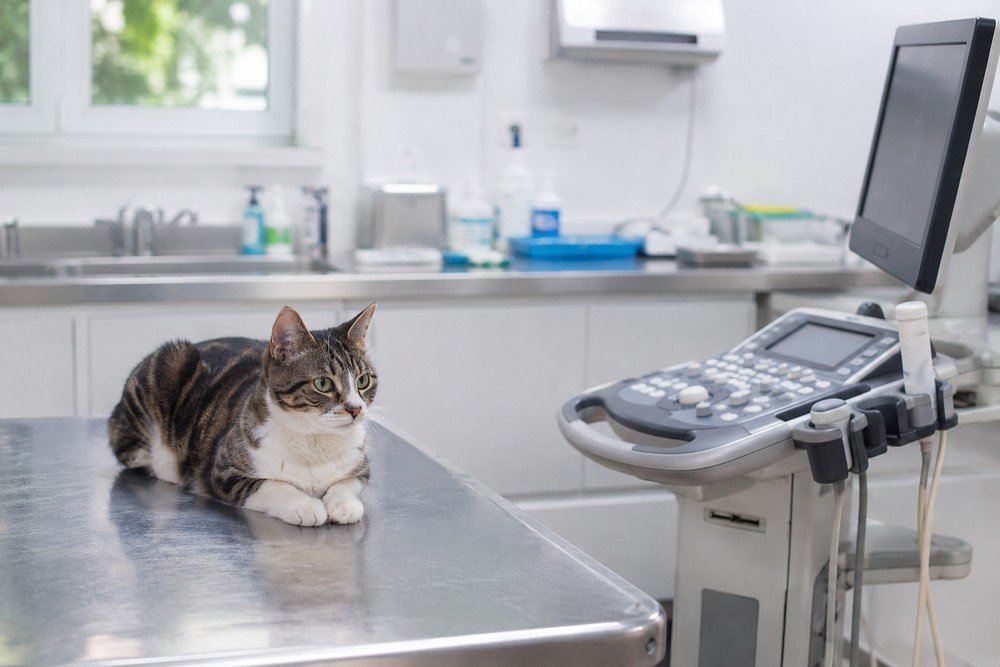
Digital imaging, in house lab testing, and electronic medical records help veterinary teams move faster. X rays and ultrasound can reveal fractures, fluid buildup, swallowed objects, or organ changes without delay. Bloodwork processed on site can flag infection, dehydration, kidney strain, or blood sugar issues during the same visit. Electronic records pull together prior exams, vaccine history, medications, and trends over time, so a veterinarian is not working from memory or scattered notes.
This matters because small changes often tell the story. A single temperature reading may not stand out. A pattern of rising temperature, lower appetite, and a recent medication change does. That pattern is easier to catch when a modern veterinary hospital uses connected systems instead of isolated snapshots.
Monitoring tools help veterinarians catch problems earlier
Some of the most useful advances are not dramatic. They are quiet tools that keep watching after the first exam. Wearable and electronic monitoring devices can track movement, rumination, feeding behavior, heart rate, and recovery patterns. In large animal medicine, this can be especially valuable. NC State has highlighted how electronic monitoring in dairy cattle helps identify health shifts earlier, often before illness is obvious to the eye.
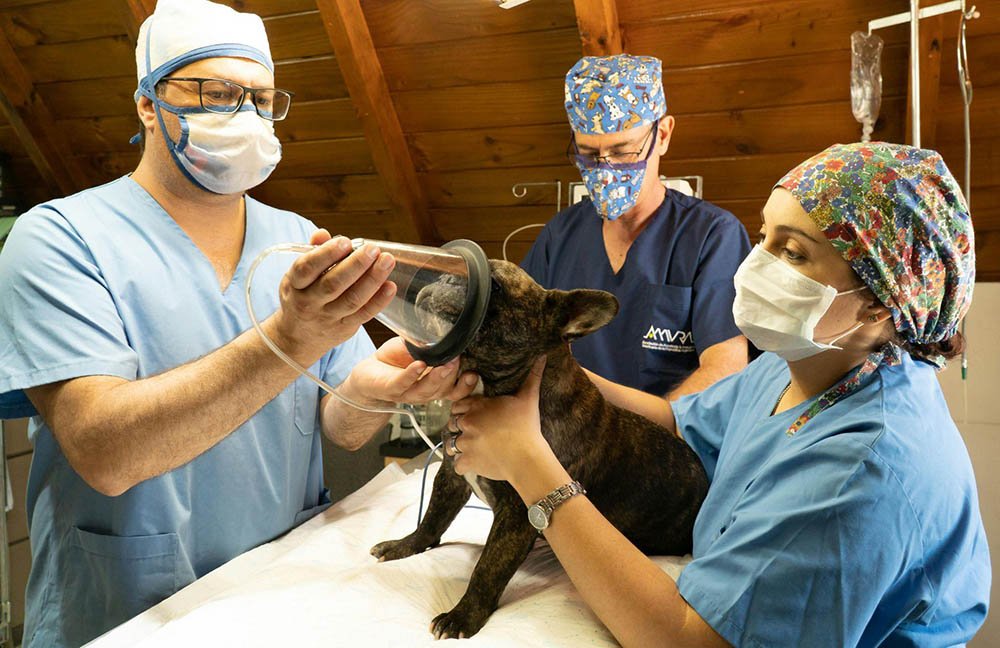
The same idea carries into companion animal care. A hospitalized pet on fluid therapy may have oxygen levels, blood pressure, and heart rhythm tracked continuously. A post surgery patient can be monitored for pain, temperature changes, and breathing issues without waiting for a visible crisis. Earlier alerts often mean simpler intervention.
You feel the difference in practical terms. Earlier detection can reduce emergency visits, shorten hospital stays, and improve comfort during recovery. It can also prevent the common spiral where a mild issue turns into a much larger one because no one had enough information soon enough.
Technology supports safer treatment and better antibiotic stewardship
Treatment is not just about finding the problem. It is about choosing the right response and avoiding harm. One area where this is especially important is antibiotic use. Not every infection needs the same drug, and not every fever or wound should be treated the same way.
Veterinary hospitals use diagnostics, culture testing, and treatment protocols to guide smarter prescribing. That protects the individual animal and supports public health. The CDC outlines key practices for veterinarians preventing antimicrobial resistance, including careful prescribing, infection prevention, and client education. The CDC also provides a deeper resource on antibiotic stewardship in animal health settings, which reinforces the same point. Better data leads to better treatment choices.
This is one of the clearest examples of veterinary innovation helping real outcomes. A hospital that can test, track, and document treatment response is in a stronger position to avoid unnecessary medication, adjust care sooner, and reduce complications.
Veterinary hospital technology changes the day to day care experience
Technology is not only for emergencies and advanced procedures. It shapes routine care too. Appointment systems reduce missed follow ups. Digital reminders keep vaccines and chronic disease checks on schedule. Client portals make it easier to review discharge instructions, lab results, and medication plans when you are tired and trying to remember what was said in the exam room.
That last part matters more than people admit. Stress makes it hard to absorb information. When care instructions are clear, written, and easy to access, mistakes drop. Pets get medications on time. Bandages are checked when they should be. Recheck visits happen before a setback becomes serious.
| Technology in Use | Without It | With It | Likely Impact on Outcomes |
|---|---|---|---|
| In house lab testing | Results may take longer, treatment may be delayed | Same day data supports faster decisions | Earlier treatment, less deterioration |
| Digital imaging | Hidden injuries or internal issues may be missed initially | Clearer view of bones, organs, and soft tissue | More accurate diagnosis and treatment planning |
| Continuous monitoring | Changes may only be noticed at periodic checks | Real time alerts for instability or pain | Faster intervention, safer hospitalization |
| Electronic medical records | Fragmented history and missed trends | Centralized records and easier comparison over time | Better continuity of care |
| Stewardship guided prescribing | Greater risk of unnecessary antibiotics | Data driven medication choices | Safer care and reduced resistance risk |
Small steps help you get more from a veterinary hospital visit
Track changes before the appointment. Write down when symptoms started, how often they happen, what your pet is eating, drinking, or avoiding, and any medication already given. Videos of coughing, limping, or unusual behavior can be more useful than memory alone.
Ask what tools are guiding the plan. If a veterinarian recommends bloodwork, imaging, monitoring, or culture testing, ask what each test is expected to show and how it changes treatment. This helps you understand the value behind the cost.
Use follow up systems. If the hospital offers reminders, portals, or written discharge notes, use them. Veterinary hospital technology works best when the information flows both ways and care continues after you leave the building.
Better outcomes come from better information
When an animal is sick, you do not need more confusion. You need a team that can see problems sooner, measure them more clearly, and respond with precision. That is the real value of technology in a veterinary hospital. It supports better judgment, steadier treatment, and a care experience that feels less uncertain from start to finish.
If you are choosing where to bring your pet, look for a veterinary hospital that uses modern diagnostic and monitoring tools with clear communication and thoughtful follow up. That combination gives your animal the best chance at a smoother recovery and a better outcome.