In today’s rapidly changing world, smart home improvement practices are more critical than ever. Reducing utility bills and extending the lifespan of HVAC systems are top priorities for many homeowners. By implementing strategic measures, you can enhance your home’s efficiency and save money in the process.
Taking proactive steps around your living space creates a comfortable, cost-effective environment year-round. Simple habit changes, consistent system care, and thoughtful upgrades keep equipment running smoothly while preventing unnecessary strain on your household budget. Focusing on smart climate management not only minimizes ongoing wear and tear but also transforms daily maintenance routines into long-term financial security, giving you total peace of mind for the future.
Understanding the Cost of Inefficient HVAC Systems
Many Americans face the financial burden of inefficient HVAC systems. According to Electrek, 20% of Americans incur an additional cost of $882 annually to maintain a cool home, compared to the most efficient systems. This substantial difference highlights the importance of investing in energy-efficient HVAC solutions.
The increased costs are often due to outdated or mismanaged systems. Home improvement strategies, such as upgrading to Energy Star-rated appliances or implementing smart thermostats, can significantly reduce these unnecessary expenses. By being proactive, homeowners can avoid the financial strain associated with inefficient HVAC systems.
Reducing utility bills through improved home efficiency not only saves money but also benefits the environment. Implementing energy-efficient home improvements contributes to a sustainable lifestyle. It is essential to evaluate your current systems and make necessary upgrades to ensure both environmental and financial savings.
The Importance of Regular HVAC Maintenance
Regular maintenance plays a crucial role in enhancing the efficiency and longevity of HVAC systems. According to GetJobber HVAC Industry Trends, consistent AC maintenance can extend a system’s lifespan by 5 to 10 years while reducing energy consumption by 15 to 25%. This maintenance addresses issues like uneven cooling experienced by 60% of homeowners due to neglected tune-ups.
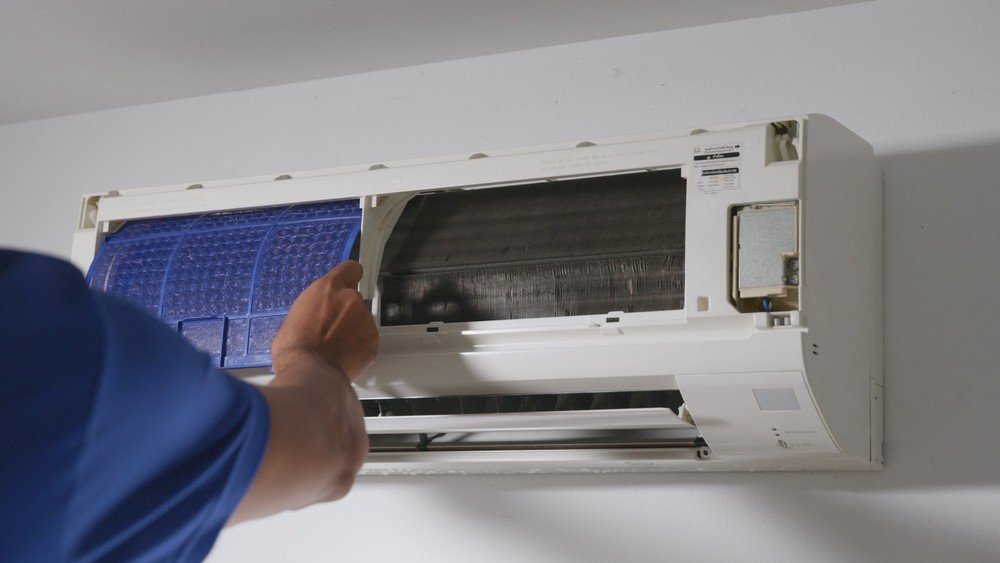
Simple maintenance steps such as regular filter changes, checking ducts for leaks, and scheduling annual professional check-ups can make a significant difference. These practices ensure that systems run smoothly and efficiently, reducing the likelihood of costly repairs. Proactive maintenance is a cost-effective approach to improving the performance of HVAC systems.
Moreover, well-maintained HVAC systems contribute to better indoor air quality. By keeping systems clean and functional, you reduce allergens and pollutants in the home. Regular maintenance is an essential aspect of home improvement that promotes both health and financial savings.
Maximizing the Lifespan of Your HVAC System
Extending the lifespan of HVAC systems requires a combination of regular maintenance and strategic home improvements. According to This Old House, a typical HVAC system can last between 15 to 20 years with proper care. Investing in these systems ensures long-term efficiency and reliability.
Smart home improvements include installing programmable thermostats and insulating ducts, which optimize system performance and longevity. By making such upgrades, homeowners can significantly extend their systems’ operational years. These enhancements not only prolong system lifespan but also enhance overall home comfort.
An investment in quality HVAC equipment today can lead to substantial savings over the years. Prioritizing the longevity of your systems through intelligent home improvement strategies is a sound financial decision. By taking action now, you set the stage for a more efficient and cost-effective future.
Implementing smart home improvement strategies to manage HVAC systems efficiently is a wise investment for any homeowner. With careful planning and maintenance, you can significantly reduce utility bills while extending the lifespan of your systems. Take these steps to enjoy a more comfortable, cost-effective, and sustainable living experience