Key Takeaways
- Arizona’s dry climate doesn’t eliminate indoor mold risk — monsoon storms, evaporative coolers, HVAC drain-pan failures, and slab-leak moisture intrusions all create year-round growth conditions.
- Tenants have specific habitability rights under the Arizona Residential Landlord and Tenant Act (A.R.S. § 33-1324 et seq.); written notice and documented response timelines are the procedural foundation.
- Mold exposure can produce symptoms ranging from allergic and respiratory complaints to neurological and immune system effects in vulnerable populations. 1
- Evidence preservation — photos, copies of written notice, inspector reports, medical records — determines whether a claim is winnable later.
- Attorney review is mandatory when remediation is delayed, symptoms persist, or the landlord retaliates after notice.
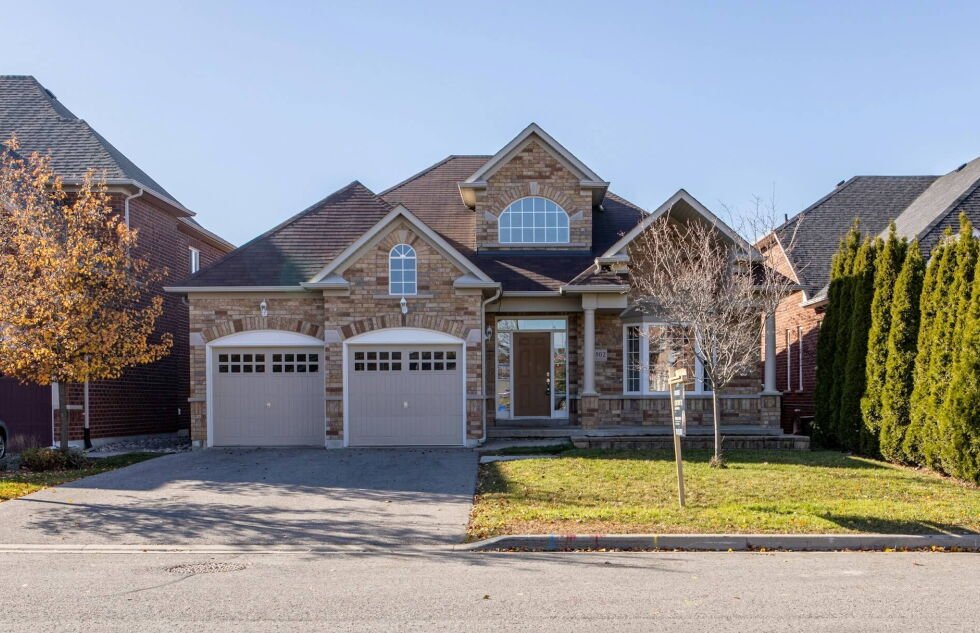
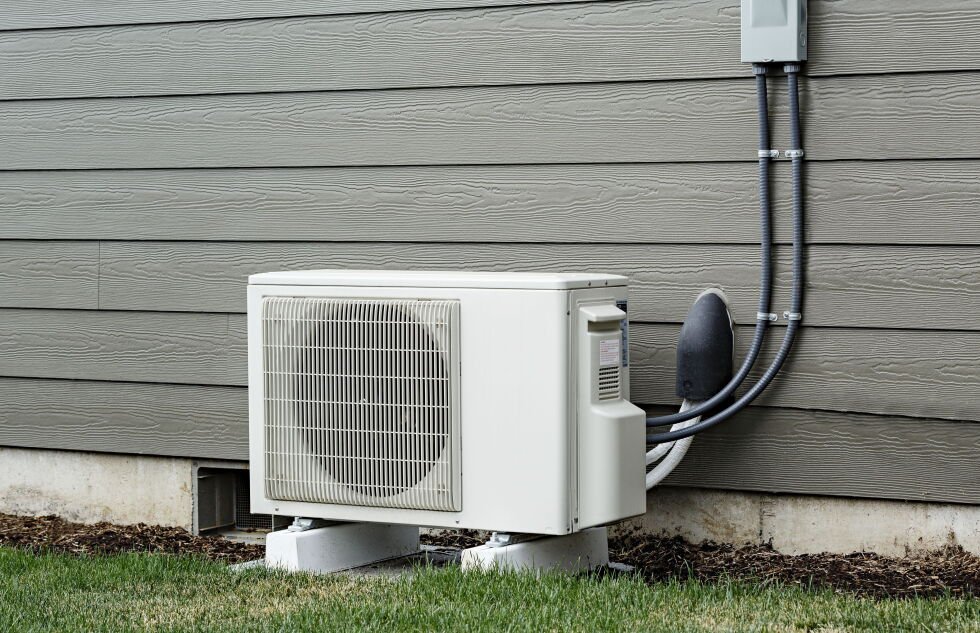
Arizona’s reputation for low humidity hides where moisture actually lives indoors. Plumbing leaks (slab leaks, water-heater pan failures, ice-maker line cracks), roof intrusions after monsoon storms, evaporative (‘swamp’) cooler humidity in older Phoenix and Tucson housing, and refrigerated AC drain-pan and condensate-line failures all seed mold growth in places no one is looking. For renters, knowing your rights under the Arizona Residential Landlord and Tenant Act and correctly following the procedural timelines determines whether ‘can I sue my landlord for mold in Arizona?’ has an actual answer in your case. Sue landlord for mold Arizona
Arizona landlords have a statutory duty to maintain rental premises in a fit and habitable condition (A.R.S. § 33-1324) — and persistent moisture intrusions or visible mold growth fall squarely within that duty when they affect health and safety. Tenants must understand the notice procedure, the landlord’s permitted response window, and the documentation that protects the claim if remediation is delayed or refused.
Arizona’s habitability framework empowers renters to demand repairs, in narrow circumstances perform repair-and-deduct (A.R.S. § 33-1364, with strict cost and notice limits), or terminate the lease for material noncompliance affecting health and safety. Knowing when each remedy is available — and which one fits your facts — is the practical question. This guide covers the notice procedure under § 33-1361, habitability standards, mold-related medical signs, evidence preservation, and when attorney review becomes essential.
Arizona Mold Law: Notice Requirements
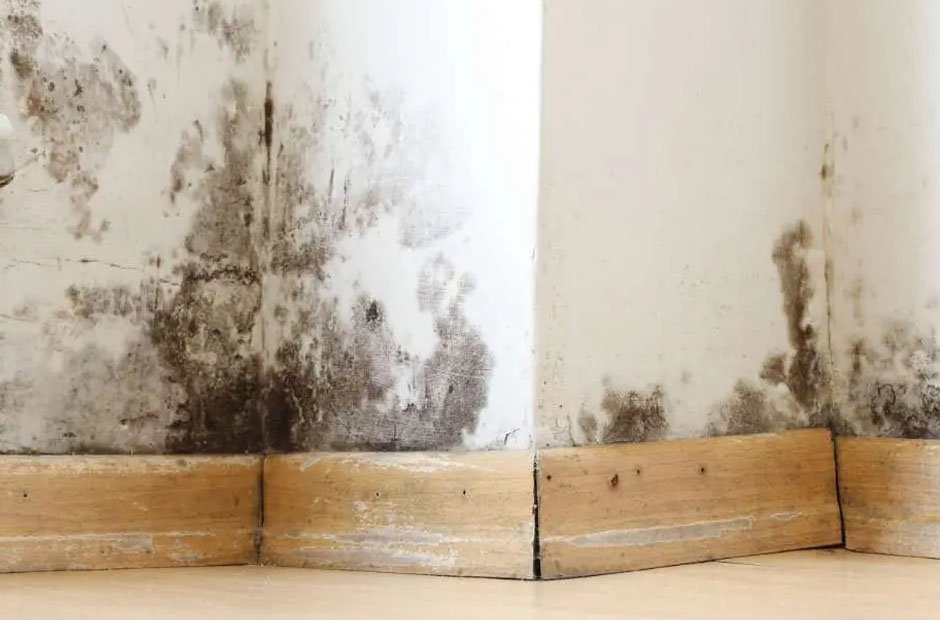
Arizona’s habitability statute requires landlords to keep rental properties in fit and habitable condition. When mold or a moisture problem is discovered, the procedural foundation is written notice — not a phone call. Send a dated email or certified letter describing the location and visible extent of the mold, any apparent moisture source (leaks, condensation, HVAC), the impact on the rental, and a request for prompt inspection and repair. Save copies. The notice creates the timeline that legally obligates the landlord to respond and that supports any later remedy claim.
Arizona statute generally allows tenants to terminate the rental agreement for material noncompliance affecting health and safety after providing written notice and a period (typically 5 days for noncompliance materially affecting health and safety, or 10 days for non-health-affecting issues) for the landlord to remedy under A.R.S. § 33-1361. If the landlord fails to remediate within the statutory window, additional remedies may be available — including damage claims, rent abatement in some scenarios, or lease termination. Procedural specifics matter; missing the notice requirements can defeat an otherwise valid claim, which is why attorney review of severe or recurring mold cases is so important.
Mold and Habitability in Arizona Rentals
Arizona courts have recognized the implied warranty of habitability — a landlord’s persistent failure to address mold and moisture intrusions can constitute breach of that warranty and of A.R.S. § 33-1324. Available tenant remedies include demanding repair, lease termination for material noncompliance, and damage claims for the cost of remediation, alternative housing during remediation, property damage to belongings, and (depending on facts) personal injury damages where mold-related illness is documented. Where mold results from tenant conduct — repeated unreported leaks, deliberately blocking ventilation, or failing to use bathroom exhaust fans in humid conditions — responsibility may shift partially or entirely. Honest documentation of conditions and tenant compliance with reasonable use protects the claim.
Recognizing Mold-Related Medical Symptoms
Mold exposure produces a recognizable cluster of medical symptoms: nasal congestion, sinusitis, persistent cough, sore throat, watery or itchy eyes, headaches, and skin rashes — particularly intense in tenants with asthma, allergies, or compromised immune systems. Sustained or high-level exposure can drive worsening asthma, fungal sinus infections, persistent fatigue, cognitive complaints (brain fog, sleep disruption), and, in some cases, neurological or autoimmune symptoms diagnosed under the CIRS (chronic inflammatory response syndrome) framework. Stachybotrys chartarum, Aspergillus, and certain Penicillium strains release mycotoxins associated with the more severe symptom profiles. A useful clinical signal: symptoms that improve when the tenant is out of the property and worsen on return strongly suggest indoor exposure. Document symptoms by date, see a physician familiar with environmental illness, and ask that the workup be explicitly linked to suspected mold exposure in the medical record. The CDC publishes detailed guidance on mold’s health effects. 2
Evidence Preservation for Tenants
Successful mold claims rest on the quality of the evidence. Capture: time-stamped photographs and short video clips of all visible mold, water staining, and structural damage; copies of every written communication with the landlord (notice letters, repair requests, responses, denials); receipts for any tenant-paid repairs, professional inspections, or temporary lodging; and any independent mold inspection or air-sampling reports. Walk the property with the inspector if possible to capture areas behind walls, in HVAC closets, and under flooring.
In severe-exposure cases, medical documentation linking symptoms to the exposure timeline, along with reports from licensed mold inspectors or industrial hygienists, is persuasive evidence. Maintain a written timeline: the date the moisture or mold was discovered, the date written notice was given to the landlord, the dates of any inspections or attempted repairs, the dates symptoms appeared and worsened, and the medical providers seen. The chronology is the case.
Attorney Review and Taking Legal Action
If the landlord doesn’t remediate after notice, attorney review becomes essential. A landlord-tenant or environmental injury attorney evaluates the documentation, assesses health damages, and advises on the available claims — breach of A.R.S. § 33-1324 habitability obligations, breach of contract, lease termination under § 33-1361, personal injury claims for documented mold-related illness, and, where the conduct rises to it, claims for emotional distress or punitive damages for egregious indifference. Habitability violations
Attorney review is particularly critical when mold has caused significant property damage or health impact, when the landlord has retaliated after notice (illegal under A.R.S. § 33-1381), or when remediation work has been performed in a way that destroys evidence. An experienced lawyer negotiates a settlement, coordinates expert testimony, and represents the tenant in court when needed.
Conclusion
Mold in Arizona rentals is a real, recurring risk — particularly during monsoon season and after any water intrusion. Arizona law obligates landlords to maintain habitable conditions and respond promptly to documented moisture and mold problems. Tenants should provide written notice as soon as mold is suspected, document everything (photos, communications, medical visits, professional inspections), and seek attorney review if remediation is delayed or refused. MoldLawKing — the Arizona mold injury practice within Conduit Law — represents tenants and homeowners facing these claims, working with mold inspectors and medical specialists to build cases that hold up. Free consultation; the procedural deadlines start running on the date of notice.
References
[1] Centers for Disease Control and Prevention (CDC) – Mold and Dampness in the Home
[2] U.S. Environmental Protection Agency (EPA) – Mold Resources and Health Information