Professional plumbers should be consulted for complex or persistent problems.
Every homeowner will likely encounter plumbing issues at some point, from dripping faucets to unexpected floods. These problems can cause significant inconvenience, expensive repairs, and even damage to your property if not addressed promptly. That’s why it’s crucial to understand the most common plumbing problems, how to mitigate their risks, and when to call burst pipe repair specialists in Utah to protect your home.
Whether you’re facing a minor leak or a persistent clog, adopting preventive habits and taking timely action can help protect your home’s plumbing system and maintain peace of mind. With some simple, proactive strategies, you can extend the lifespan of your plumbing, save money on water bills, and reduce the likelihood of plumbing emergencies.
Many plumbing issues can be prevented through routine inspections and adopting maintenance habits. Taking a few simple steps now reduces the risk of disruptive and costly plumbing disasters in the future.
By familiarizing yourself with these common problems, you will be better equipped to care for your home’s pipes, fixtures, and appliances, ensuring a comfortable and functional living environment.
1. Leaky Faucets
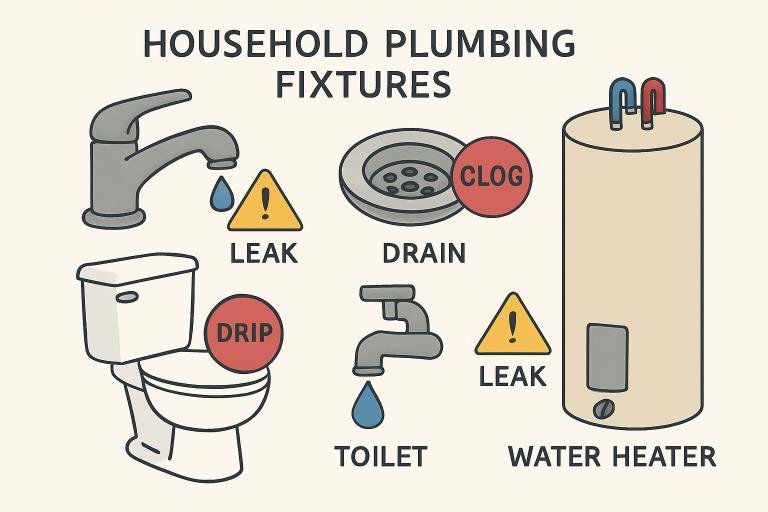
Leaky faucets are a widespread issue that may seem minor but can lead to excessive water waste and higher utility bills. In fact, a faucet that drips once per second can waste more than 3,000 gallons per year, according to the EPA. Frequently check your faucets for slow drips or leaks, and replace malfunctioning washers or seals without delay. Keeping up with these minor repairs is the best way to avoid costly water damage or fixture replacements down the road.
2. Clogged Drains
Clogged drains disrupt daily routines and can lead to unpleasant odors and overflowing sinks or tubs. Common culprits include hair, soap scum, grease, and food particles. To avoid these blockages, use drain catchers, avoid pouring grease or oil down kitchen drains, and flush drains weekly with hot water. If you frequently cook with oil, consider disposing of the grease in a sealed container in the trash instead of letting it solidify inside your pipes.
- Install drain covers in showers and sinks to catch debris.
- Flush drains with boiling water to loosen and move along the buildup.
- Steer clear of harsh chemical drain cleaners, which can damage pipes and harm the environment.
3. Running Toilets
Running toilets can be silent water wasters, often stemming from worn-out flappers or defective fill valves. A toilet that runs nonstop can waste hundreds of gallons of water every day. Regularly inspect the inner components of your toilet tank for signs of wear and tear. Replacing a $10 part now can prevent costly water bills and the potential for long-term water damage.
4. Low Water Pressure
Low water pressure makes simple activities like showering or washing dishes frustrating. This problem can be caused by mineral or sediment buildup in showerheads and faucet aerators, small leaks throughout the plumbing system, or, in some cases, issues with the municipal supply. You can often restore proper pressure by cleaning faucet aerators and showerheads with vinegar to dissolve mineral deposits. If you continue to notice low pressure across several fixtures, have your pipes checked for hidden leaks.
- Remove and soak aerators in vinegar to dissolve buildup.
- Visually inspect any exposed pipes for signs of leaks or moisture.
If you’re unsure or unable to resolve the issue, consulting a pro is recommended. For further information on water pressure problems, review recommendations from HouseLogic.
5. Water Heater Issues
Few things are as disruptive as losing hot water, especially during colder months. Signs of water heater problems include inconsistent water temperatures, metallic-tasting water, rumbling noises from the tank, or visible leaks. Annually flushing the tank will remove harmful sediment buildup, preventing rust and ensuring more efficient operation. It’s also wise to check the anode rod every couple of years; this small part provides crucial protection against corrosion inside the tank. For safety and efficiency, keep the temperature set at 120°F.
6. Frozen Pipes
Frozen pipes pose a significant threat in cold-weather climates and can quickly escalate into burst pipes, resulting in flooding and extensive damage to walls and floors. Insulating exposed pipes in basements, attics, and exterior walls is a crucial preventive measure. Maintaining your home’s temperature above 50°F, even while you’re away, and allowing faucets to drip during freezing temperatures can significantly reduce the risk. If you suspect a frozen pipe, act quickly. Slowly heat the affected area with a hairdryer, and call a professional if needed.
7. Sewer System Backup
Sewer backups are hazardous and can stem from tree root intrusion, grease buildup, or flushing non-degradable items down the toilet. Prevent this dangerous and disruptive problem by never flushing paper towels, wipes, or hygiene products, and disposing of grease in the trash. Regular sewer line inspections and professional cleanings protect against major blockages and help identify early warning signs.
8. Sump Pump Failure
Sump pumps are your basement’s first defense against flooding, but they can fail due to power loss, clogs, or mechanical issues. Test your pump before heavy rainfall by pouring water into the sump pit—ensure it turns on and pumps water away efficiently. Remove debris from the pit regularly, and consider a backup power source, such as a battery-powered unit, to keep your basement dry even during outages.
By investing in regular maintenance and paying attention to warning signs, you can keep your home’s plumbing running smoothly. For persistent issues or if you’re unsure about the severity of a plumbing problem, don’t hesitate to call a professional plumber. Routine preventive care today will save you money and stress, and safeguard your home from costly water damage tomorrow.