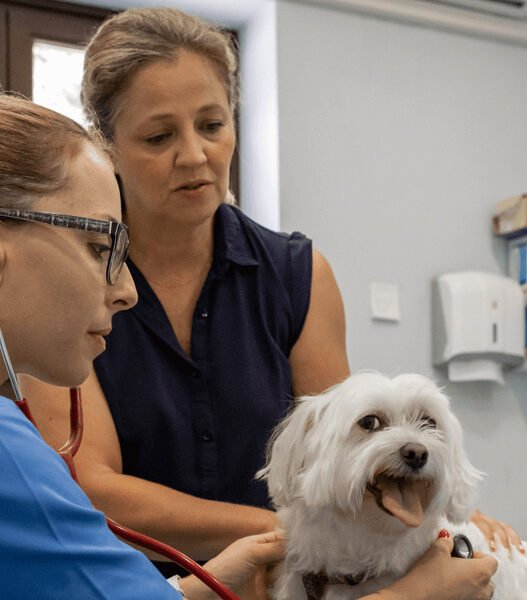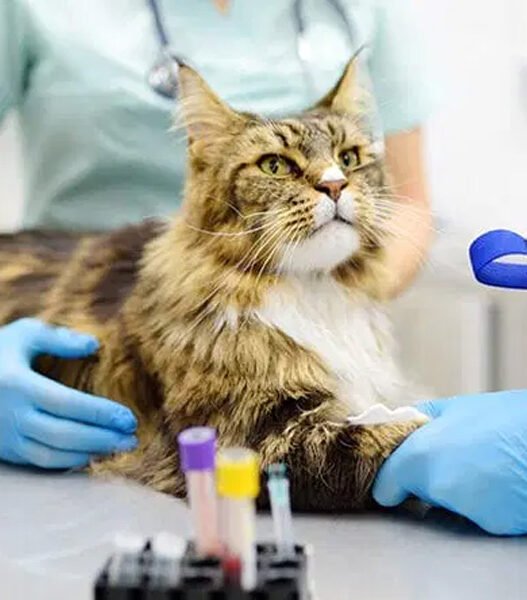
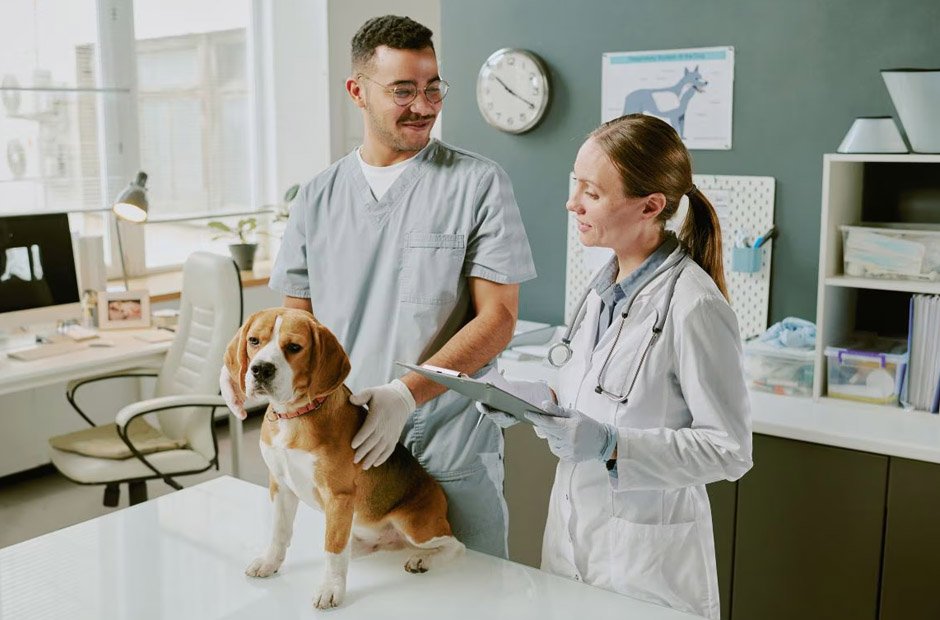
You might be sitting there replaying the last few days in your mind. Your pet started with a small cough, a bit of diarrhea, or maybe just “not acting like themselves,” and now your veterinarian at an animal hospital in Cape Coral is talking about isolation, infectious disease, and special precautions. It is scary. It feels bigger than a routine visit, and suddenly you are worried not only about your animal, but about your family, other pets, and even the cost of all this.end
That reaction is completely normal. Any time you hear words like “contagious” or “outbreak,” your mind jumps to worst-case scenarios. You want reassurance that your pet is being protected and that you are not bringing something harmful into your home. You also want to know that the clinic has a clear plan and is not just improvising.
Here is the short version of what you need to know. Modern animal clinics managing infectious diseases use structured biosecurity plans, physical separation, strict cleaning routines, and clear communication to keep sick animals, healthy animals, and people as safe as possible. When done well, these systems not only help your pet but also greatly reduce the risk of spread to other pets or humans. Your job is to understand the basics, ask the right questions, and follow the guidance you are given once you leave the clinic.
What really happens behind the scenes when an animal clinic suspects infection?
It often starts quietly. A dog with a harsh cough walks through the door. A cat with a high fever and no clear cause. A rabbit with sudden diarrhea. At first, it could be anything, from a mild bug to a serious contagious disease. The clinic team has to make decisions quickly, sometimes before test results are back.
This is where the tension begins. Clinics are busy places. You might see crowded waiting rooms, animals coming and going, and phones ringing. In that environment, the idea of your pet carrying a contagious disease can feel overwhelming. You might wonder if other animals will infect your pet, or if your pet is the one everyone else should worry about.
To add to the stress, infectious cases can be more expensive. Isolation rooms, extra protective gear, special tests, and longer staff time all add cost. It can feel unfair. Your pet did nothing wrong, yet you are now facing a more complicated and expensive visit.
So where does that leave you when you hand your pet over at the clinic door and watch them disappear into a treatment area you cannot see?
How do animal clinics control infectious diseases in a busy environment?
Most well-run clinics follow structured biosecurity or infection control plans. Many draw on resources from organizations like the CDC and veterinary schools. For example, the CDC publishes veterinary infection control resources, and universities share detailed standard operating procedures, such as this biosecurity SOP for veterinary settings.
In practice, this usually means three main layers of protection.
First, there is triage and separation. When you call to book, reception staff might ask about coughing, vomiting, diarrhea, or sudden behavior changes. If they suspect a contagious issue, they may ask you to wait in your car, use a side entrance, or go straight into an exam room rather than the main waiting area. This is not about shaming you or your pet. It is about protecting everyone else in the building.
Second, there is personal and environmental protection. Staff may wear gloves, gowns, masks, or eye protection when handling your animal. They may place your pet in a designated isolation room with its own airflow or separate cleaning protocol. Surfaces, cages, and equipment used for your pet will be cleaned and disinfected using products known to kill the suspected germs. Many clinics base these protocols on evidence and guidance summarized in documents like this CDC-supported veterinary infection control guideline.
Third, there is information control. The clinic team must carefully track which animals are where, who handled them, and what was used. This way, if a diagnosis like parvovirus, kennel cough, or ringworm is confirmed, they can trace possible exposures and respond quickly.
All of this can feel a bit “over the top” when you are standing there with a dog that “just looks a bit off.” Yet the whole point of strong infection control is to take things seriously before they become a crisis.
What are the tradeoffs when managing infectious disease cases in an animal clinic?
You might be wondering whether all this extra caution is truly necessary or whether it is driving up your bill without real benefit. It helps to compare a cautious, protocol-driven approach with a more casual one.
| Approach in the clinic | What it looks like for you and your pet | Short term impact | Long term risk |
| Structured infection control (isolation, PPE, strict cleaning) | Your pet may be taken to a separate room. Staff wear protective gear. Extra forms or questions about other pets at home. | Visit may take longer. Costs can be higher because of extra time, tests, and supplies. | Lower risk of spreading disease to other pets, to your own animals at home, or rarely to people. |
| Minimal precautions (no clear isolation or protocols) | Your pet stays in the general waiting area. Staff use standard cleaning only. Little discussion about contagion. | Visit might be faster and cheaper at first. | Higher chance of outbreaks, repeat infections, and more serious problems for vulnerable animals and humans. |
For many owners, the hardest part is the emotional cost. Seeing your pet taken to an isolation ward can feel like they are being punished or like their condition is worse than you were told. It helps to remember that isolation is fundamentally an act of protection. It protects your pet from other germs. It protects others from your pet’s germs. It also protects the staff who are caring for them.
On the clinic side, staff face their own pressures. They worry about bringing infections home. They worry about making a mistake that could cause an outbreak. They want to move quickly, yet they know that rushing cleaning or skipping protective equipment can have serious consequences. So when they ask you to follow certain rules, it is usually because they are balancing these very real risks.
What can you actually do when your pet faces an infectious disease concern?
So, how do you move from feeling helpless to feeling prepared when your pet is being treated for an infectious or possibly contagious condition in an animal clinic?
- Ask clear questions about infection control and home care
You have every right to understand what is happening. Simple, direct questions can help.
For example, ask:
- “Do you think this could be contagious to other animals, or to people in my home?”
- “What precautions are you taking in the clinic to prevent spread?”
- “What should I do at home to protect my other pets and my family?”
If your vet mentions a specific disease, you can ask whether it appears on CDC or veterinary infection control lists. They may refer you to trusted resources such as the CDC’s clinical resources for veterinarians and pet owners.
- Follow isolation and cleaning instructions carefully at home
What happens after you leave the clinic is just as important as what happens inside it. Your veterinarian might ask you to keep your sick pet in a separate room, avoid dog parks or grooming salons, use gloves when handling litter or waste, or wash your hands after every contact.
Take these instructions seriously, even if your pet seems to be improving. Many infections are most contagious early on. Some survive in the environment for days or weeks. Veterinary biosecurity guidelines, like those in the shared biosecurity SOP document, are designed around how long germs can live on surfaces, in air, or in bodily fluids. Your home routine should echo that thinking as much as possible.
- Plan ahead for future visits and vaccination strategies
Once your pet is stable, ask how you can reduce the chance of facing a similar scare again. This is where a thoughtful vaccination and prevention plan matters. For example, many respiratory and gastrointestinal diseases that spread in clinics or boarding facilities can be reduced with vaccines, deworming, and regular checkups.
You can also ask your clinic about their general infection control policies. Do they have written protocols for managing infectious disease cases in animal hospitals? Do they train staff regularly on cleaning and protective equipment? Many clinics base their policies on documents like CDC infection control guidelines for veterinary settings, such as the one hosted at this CDC repository. Knowing there is a plan in place can give you peace of mind the next time you walk through their doors.
Moving forward with more clarity and less fear
You did not choose to deal with an infectious disease worry. It arrived without warning and disrupted your sense of safety around your pet and your home. That is heavy, and it is okay if you feel a mix of fear, frustration, and even guilt.
What matters now is that you are not powerless. You can ask questions. You can expect your animal clinic to follow sound infection control practices. You can protect your family by following discharge instructions closely and by using trusted sources like the CDC’s healthy pets resources to learn more.
Most contagious diseases in pets can be managed or controlled when everyone works together. Your care for your animal, combined with your clinic’s infection control systems, creates a strong shield. With that in mind, you can take the next step with more confidence, knowing you are doing everything reasonably possible to keep your pet, your other animals, and your household safe.