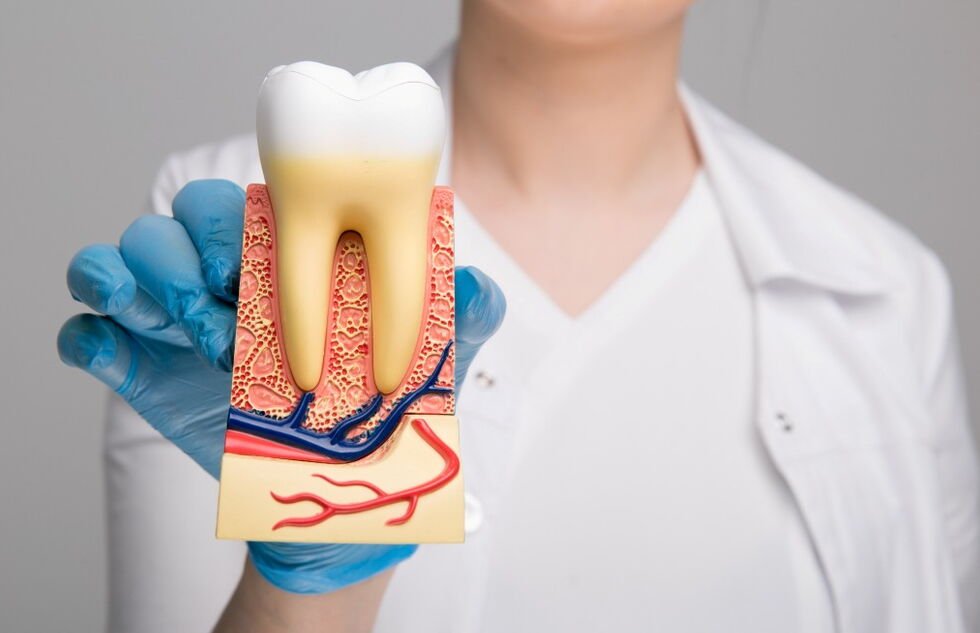

You are not just scheduling cleanings. You are keeping track of baby teeth, thumb sucking, fluoride, sports injuries, braces, sealants, and that one tooth your child says only hurts when chewing. Childhood moves fast, and dental needs change right along with it. That is why many parents look for one steady place to turn, someone who knows their child over time and can connect each stage instead of treating every visit like a separate event. Many families begin that search by typing Pediatric dental office accepting TennCare near me when they want consistent, age-appropriate care close to home.
A family dentist helps create that continuity. The job is bigger than checking for cavities. Good care means watching growth, spotting problems early, guiding habits at home, and knowing when to bring in a specialist. That kind of coordination matters because oral health affects eating, sleep, speech, school, and comfort. The National Institute of Dental and Craniofacial Research has tied oral health closely to overall health and quality of life, which is exactly why a connected approach through childhood makes such a difference.
Family dentists build continuity from the first tooth through the teen years
The early years can feel like guesswork. A baby gets a first tooth, then another, and suddenly you are trying to figure out brushing, bottles at bedtime, and whether a fall at daycare needs an urgent visit. A family dentist gives you a clear starting point and a home base. The American Academy of Pediatric Dentistry describes the value of a dental home, which means an ongoing relationship that is accessible, coordinated, and centered on prevention.
That ongoing relationship changes what care looks like. In infancy and toddlerhood, the focus is often feeding habits, teething discomfort, early decay risk, and parent coaching. In the preschool years, visits often shift toward brushing technique, fluoride exposure, bite development, and behavior support for kids who are nervous in the chair. By elementary school, the conversation may include sealants, crowding, mouthguards, and how to handle a chipped tooth after recess. During the teen years, a family dentist may track wisdom teeth, enamel wear from sports drinks, orthodontic needs, and the effects of inconsistent hygiene.
This is where childhood dental care coordination becomes practical, not theoretical. The dentist is keeping a record of patterns over time. Maybe your child has deep grooves that catch plaque easily, or a history of weak enamel, or anxiety that makes short morning appointments more successful. Those details matter. They shape recall schedules, home care advice, and referrals when another provider is needed.
Coordinated dental care reduces surprises, stress, and missed problems
Most parents do not worry about every stage at once. You deal with what is right in front of you. That is normal, but it can also let small issues build quietly. A child with mouth breathing may develop dry mouth and higher cavity risk. A teen with jaw pain may be clenching at night. A baby tooth lost too early can affect spacing for the adult tooth behind it. If no one is looking at the full picture, these concerns often show up later, when treatment is more expensive and more stressful.
Coordination helps prevent that. A family dentist can monitor growth and timing, compare new X rays to past records, and talk with orthodontists or oral surgeons when needed. If your child has medical needs, sensory challenges, or takes medicines that affect the mouth, that same connected approach becomes even more useful. You are not left repeating the whole story at every visit.
Pediatric oral health management also helps with the emotional side of care. Children who see the same office over time often build trust more easily. Parents get used to the routines, the staff learns what helps each child stay calm, and visits stop feeling like a fresh ordeal. That consistency can be the difference between regular preventive care and years of avoidance.
Different childhood stages call for different family dentist services
| Childhood Stage | Common Focus | How a Family Dentist Coordinates Care |
| Infancy to age 3 | Teething, feeding habits, early decay prevention, brushing guidance | Tracks eruption patterns, counsels parents, checks for early risk factors |
| Ages 4 to 7 | Cleaning visits, fluoride, bite development, habit correction | Monitors thumb sucking, watches spacing, adjusts prevention plan |
| Ages 8 to 12 | Sealants, sports safety, crowding, cavity prevention | Coordinates with orthodontic referrals, recommends mouthguards, follows growth |
| Teen years | Orthodontic support, wisdom teeth, diet risks, hygiene independence | Reviews long term changes, addresses enamel wear, plans specialty care if needed |
The table reflects a simple truth. Kids do not need the same kind of dental attention at every age. A strong family dentist adjusts the plan as your child grows, which saves time and often lowers the chance of avoidable treatment later.
Parents can support coordinated care with a few clear habits
Keep one consistent dental record. Try not to bounce between offices unless you have to. When the same practice sees your child over time, patterns are easier to catch. If you do change providers, request records and X rays so the new office can pick up where the last one left off.
Share changes early. Tell the dentist about new medicines, sleep issues, sports participation, sensory concerns, or a habit like grinding. Parents often assume these details belong somewhere else, but they can change risk levels and treatment decisions.
Ask for the next stage, not just today’s fix. If your child has a cavity filled, ask what the office will watch over the next year. If braces may be coming, ask when monitoring should start. If baby teeth are not falling out on time, ask what that could mean. Forward looking care is where coordination really pays off.
Steady dental guidance helps childhood feel more manageable
You do not need to map out every dental decision for the next ten years. You just need a reliable plan and a provider who sees the whole arc of your child’s growth. When care is coordinated from the first teeth through the teen years, fewer problems slip through, visits feel less chaotic, and you get clearer answers at each stage. A trusted family dentist can make that process easier, calmer, and more predictable for both you and your child.