Your roof quietly protects your home every single day, yet it’s often overlooked until something goes wrong. A small leak, missing shingles, or clogged gutters can quickly turn into expensive repairs if ignored for too long. The good news is that keeping your roof in excellent shape does not have to be complicated or overwhelming. With regular maintenance, seasonal inspections, and quick attention to small problems, you can extend the life of your roof and avoid major headaches. Whether your roof is brand new or several years old, understanding a few simple maintenance habits can help you protect your investment and keep your home safe and comfortable year-round.
Schedule Routine Roof Inspections
Regular inspections play a major role in extending the lifespan of your roof. Even if your roof appears fine from the ground, hidden damage can develop after heavy rain, wind, snow, or intense summer heat. According to Allstate, residential roofs should be inspected at least once a year.
Many homeowners choose to schedule inspections during the spring or fall because weather conditions are typically milder. During these inspections, contractors can check flashing, ventilation, shingles, gutters, and attic conditions to ensure everything is functioning properly.
Keeping a consistent inspection schedule also makes it easier to plan for future maintenance and budget for repairs before emergencies arise.
Know When Repairs Make More Sense
Not every roofing issue means you need a full replacement. In many cases, small repairs can restore the roof’s condition and help it last for many more years. According to Today’s Homeowner, repairing the roof is a better choice when it’s under 15 years old and the damage is minor.
Replacing a few damaged shingles or sealing a small leak is often far more affordable than replacing the entire roof prematurely. Homeowners sometimes panic when they notice damage, but a trusted roofing professional can determine whether repairs are sufficient.
Trim Trees and Remove Debris
Overhanging tree branches can become a major threat to your roof during storms or strong winds. Branches that scrape against shingles may gradually wear away protective surfaces, while falling limbs can cause sudden structural damage.
Keeping nearby trees trimmed helps reduce these risks while also limiting the amount of leaves and debris that collect on your roof. Debris buildup traps moisture, which can encourage mold, algae, and rot over time.
After major storms, check your roof carefully for fallen branches or other materials that may have landed on the surface. Prompt cleanup helps prevent unnecessary wear and tear.
Handle Repairs Quickly
Many homeowners postpone roof maintenance because they assume repairs will be disruptive or time-consuming. In reality, many common roofing fixes can be completed surprisingly quickly. According to HomeGuide, most roof repairs take between 30 minutes and one day to complete.
Small leaks, missing shingles, and flashing repairs are often handled within just a few hours. Quick repairs not only restore protection to your home but also prevent minor issues from turning into large-scale projects later.
Waiting too long can allow water intrusion to spread beneath roofing materials and create more extensive structural damage. Taking care of problems early can save time, reduce stress, and help you avoid much larger repair bills in the future.
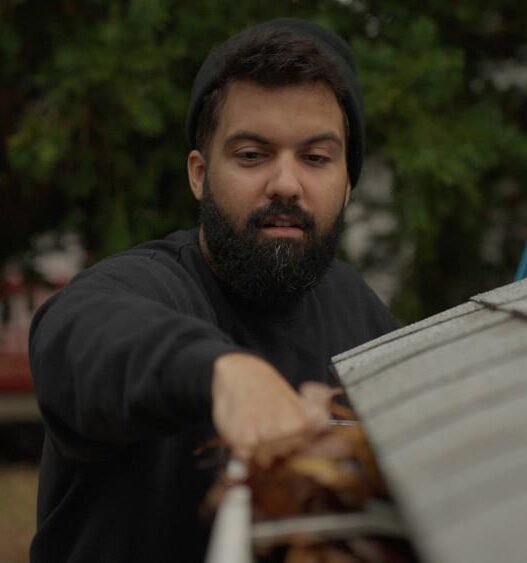
Your roof works hard to protect your home through every season, so giving it regular attention is one of the smartest things a homeowner can do. Small maintenance tasks like cleaning gutters, trimming trees, and scheduling inspections can make a significant difference in the lifespan of your roof. Staying alert to warning signs and handling repairs quickly helps prevent expensive damage and keeps your home safe and comfortable. Whether your roof is fairly new or beginning to age, consistent care will help preserve its condition for years to come. A little effort today can save you major stress and costly repairs down the road.