Key Takeaways
- Regular home inspections and exterior maintenance are vital for weather resilience.
- Emergency kits and family preparedness plans ensure a quick, organized response during crises.
- Staying up-to-date with weather alerts and local advisories is crucial for safety.
Severe weather can strike with little warning, posing risks to your property and safety. Whether it’s damaging winds, hail, heavy rain, or tornadoes, taking steps to protect your home ahead of time is essential to minimize potential damage and keep your loved ones secure. For homeowners in areas frequently impacted by storms, like Tennessee, consulting a local roofer in Nashville can be a smart investment to further hurricane-proof your residence and ensure all exterior features are ready for severe conditions.
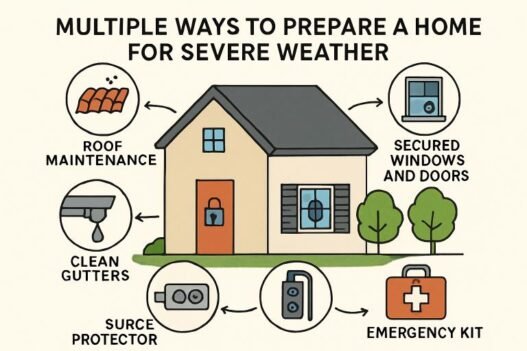
Your home’s resiliency starts with routine inspections, sturdy installations, and a well-rehearsed emergency response plan. By focusing on both structural improvements and actionable preparedness strategies, you can dramatically reduce risks year-round. These efforts not only protect your property value but also give your family peace of mind—even when the weather turns for the worse.
Beyond these basics, staying alert to weather alerts and learning best practices from recognized authorities are crucial elements in your overall plan. Disasters can happen suddenly, so having a systematic approach and seeking advice from local contractors as well as national weather agencies ensures your preparation plan covers every angle—from the roof to the foundation.
Being diligent doesn’t just provide comfort during storms; it also supports your community by reducing emergency calls and insurance claims, while keeping your neighborhood safer. Preparedness is a shared responsibility, and even small steps go a long way toward limiting damage and disruption.
Inspect and Maintain Your Roof
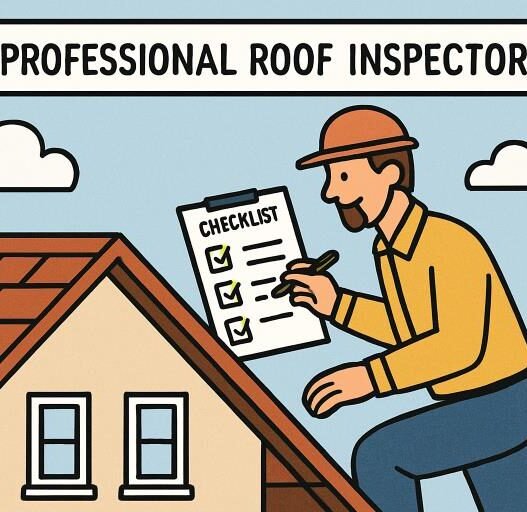
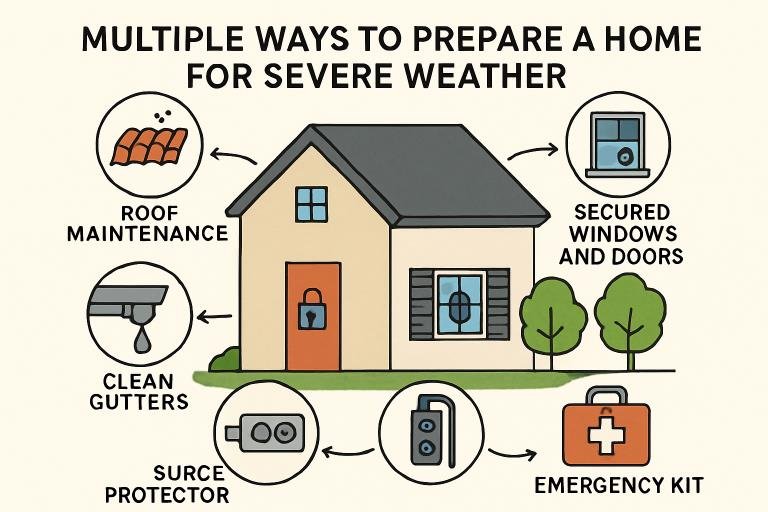
Your roof is one of the first lines of defense against storms. Regularly examine your roof for damaged, missing, or loose shingles. Address any vulnerabilities by repairing roofing materials and considering upgrades such as hurricane straps for improved wind resistance. The New York Times highlights that timely roof maintenance is associated with lower storm-related repair costs and fewer insurance claims.
Secure Windows and Doors
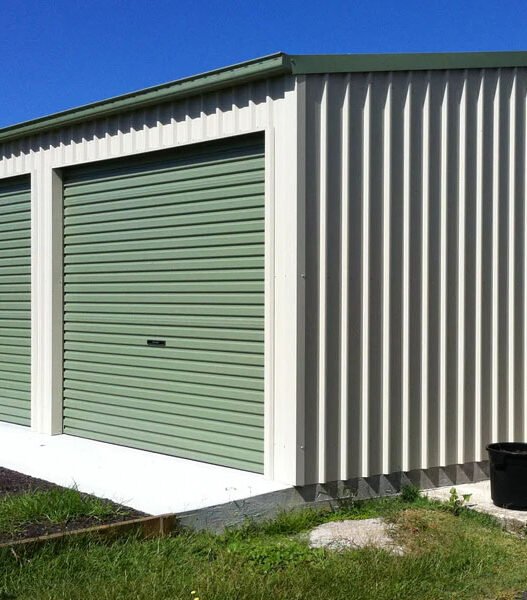
Strong winds and debris can easily shatter glass or bend doors. Install robust storm shutters or use pre-cut plywood to protect windows before severe weather arrives. It’s equally important to reinforce all exterior doors, especially garage doors, with extra bracing and reliable seals. FEMA emphasizes that a weak garage door can be blown in by wind, potentially leading to the rapid structural failure of the home.
Trim Trees and Secure Outdoor Items
Trees enrich your property’s beauty, but overgrown branches are a common hazard during storms. Remove dead limbs and trim branches that hang near roofs, vehicles, or power lines. Outdoor furniture, garden tools, and decor should be tied down or brought indoors. The National Weather Service cautions that unsecured objects can become projectiles, causing severe injuries and property loss.
Clean Gutters and Drainage Systems
Effective drainage is critical for preventing flooding and water damage. Regularly clean gutters, downspouts, and storm drains to remove leaves, twigs, and other debris that can accumulate. Efficiently moving rainwater away from your home’s foundation can also help prevent basement seepage and costly repairs. For more essential home preparation tips, Consumer Reports offers an in-depth guide to severe weather readiness.
Install Surge Protectors
Power surges—often the result of lightning strikes or electrical grid disruptions—can instantly destroy electronic devices. Installing whole-house surge protectors is one of the most effective ways to shield your electrical system. Using quality surge protection for individual devices also offers additional safety for computers and appliances. According to CNN, surge protectors play a significant role in reducing expensive electronic losses during severe weather.
Create an Emergency Kit
No storm preparation is complete without a well-stocked emergency kit. This kit should be accessible to all family members and stocked with essentials, including:
- Multiple flashlights and batteries
- First aid kit and personal medications
- At least three days’ supply of non-perishable food and water per person
- Battery-powered radio and mobile device chargers
- Personal hygiene products and sanitation supplies
- Important papers in a waterproof container
Ready.gov provides a thorough checklist of recommended emergency kit items.
Develop a Family Emergency Plan
Every household member should know their role during a weather emergency. Designate a safe meeting place, select a windowless room on the lowest floor as your “storm shelter,” and review escape routes. It’s also wise to keep a contact list and regularly run emergency drills. The National Weather Service encourages creating family plans that account for pets and elderly relatives who may need special assistance.
Stay Informed
Reliable information saves lives and property. Use NOAA Weather Radio, official local news outlets, and trusted weather apps to receive real-time alerts. Most states offer opt-in emergency alert systems to notify residents of impending danger. Ensure that all phones, radios, and emergency electronics are kept charged and readily accessible in case of a power outage.
Taking action before a storm doesn’t just safeguard your home—it also gives you confidence and peace of mind. By embracing recommendations from local experts and national agencies, you’ll be well on your way to weathering any storm with resilience and safety.