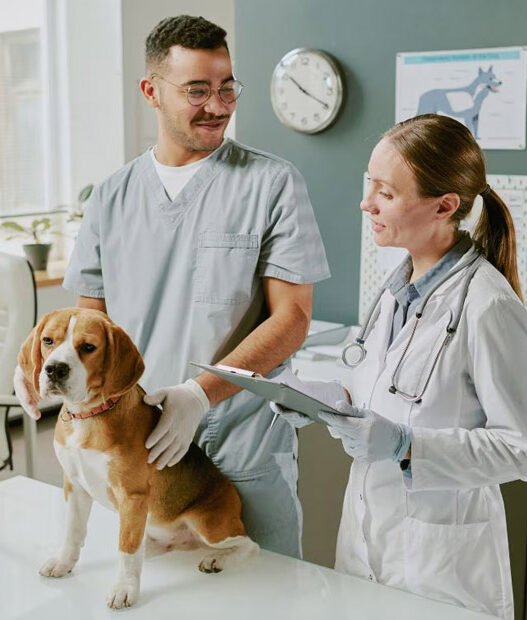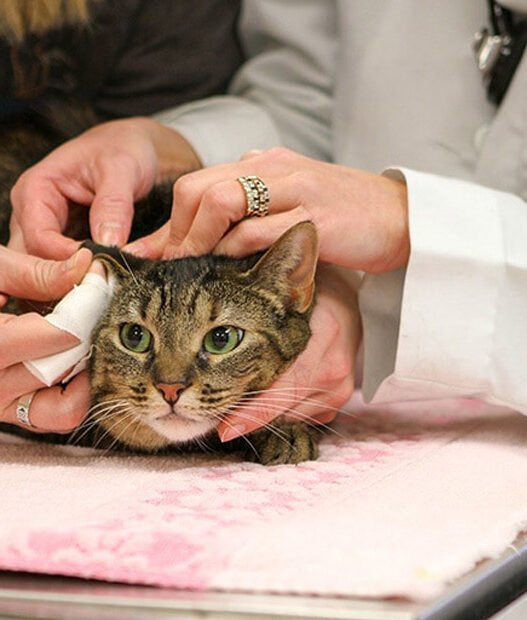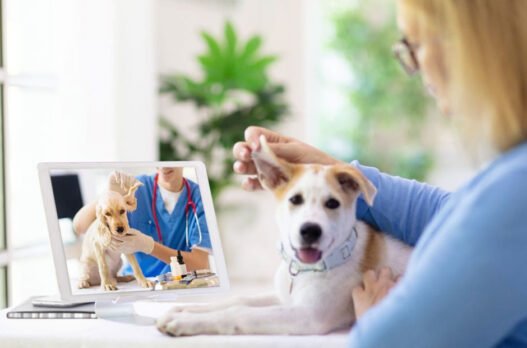
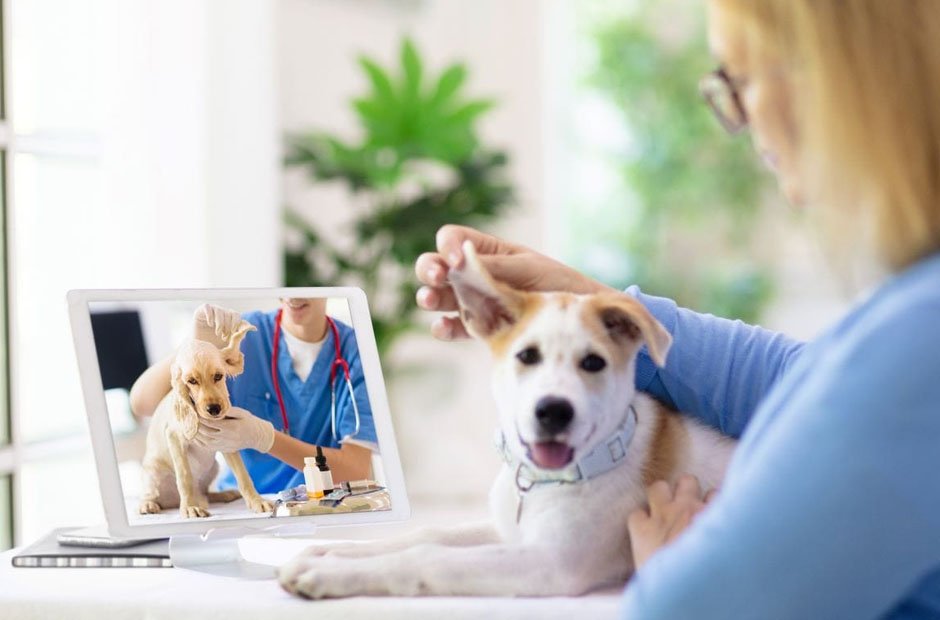
Telehealth is changing how you care for your pets. You no longer need to rush across town for every concern. You can now reach your trusted Watertown vet through a screen and still get clear guidance. This change started fast. It came from real pressure on clinics, worried pet owners, and staff who felt worn down. Now, many clinics use video visits, phone check-ins, and secure messages. You can ask about odd behavior, new symptoms, or follow up after surgery. You gain faster answers. Your pet avoids stressful trips. Your clinic keeps better records. Some problems still need hands-on exams. Yet many questions do not. You get support early, before a small issue grows into a crisis. You also build a closer link with your care team. This blog explains how clinics use telehealth, when it works, and how you can prepare for your first virtual visit.
What Telehealth Looks Like In A Vet Clinic
Telehealth is simple. You use your phone, tablet, or computer to talk with your vet. The clinic uses secure tools to protect your privacy and your pet’s record.
Most clinics now offer three core services.
- Video visits for live exams and advice
- Phone calls for quick questions and follow-up
- Online portals or apps for messages, forms, and photos
You stay at home. Your pet stays in a safe space. Your vet still sees how your pet moves, breathes, and behaves. You still hear clear next steps. You also get reminders for vaccines and lab work, which lowers the chance of missed care.
Why Clinics Turned To Telehealth
Telehealth grew fast during public health emergencies. It helped protect staff and families. It also kept care going when travel felt risky or hard. Federal guidance supported this shift and gave clinics clear rules. You can read more about telehealth basics on the U.S. Department of Health and Human Services telehealth site.
Today, clinics keep using telehealth because it solves three common problems.
- Long waits for routine visits
- Stressful travel for pets with fear or pain
- Limited access in rural towns and small communities
Telehealth does not replace in-person exams. It supports them. Routine care is more effective after treatment when you can follow up early and often.
What Works Well Through Telehealth
Some needs fit telehealth very well. Others do not. You and your vet decide together.
Common needs that work through telehealth include three main groups.
- Behavior questions such as barking, litter box trouble, or sudden hiding
- Ongoing care for skin issues, allergies, and ear problems
- Post surgery check-ins when your vet only needs to see the cut and your pet’s movement
Telehealth can also support food plans, weight checks, and long-term care for heart or joint disease. You send photos, short videos, and updates. Your vet adjusts treatment and keeps you on track.
For urgent breathing trouble, heavy bleeding, or trauma, you still need hands on care. In those moments, telehealth is only a quick step to say “Go in now” and help you stay calm on the way.
How Telehealth Compares To In-Person Visits
You may wonder how a video visit stacks up against a clinic visit. Each has strengths. Many families now use both.
| Type of visit | Best use | Strengths | Limits
|
| Telehealth video | Follow up, behavior, mild new issues | No travel. Faster scheduling. Lower stress for shy pets. | No touch exam. No vaccines or lab tests. |
| Phone or message | Quick questions and simple refills | Short wait. Easy for simple guidance. Good for clarifying plans. | No visual exam. Risk of missing details. |
| In person visit | New serious issues and yearly exams | Full exam. Lab work. Imaging. Hands-on treatment. | Travel time. Higher stress for some pets. |
When you mix these three visit types, your pet gains steadier care. Early checks catch change. In-person visits confirm and treat.
How To Prepare For A Virtual Vet Visit
A little planning makes your first telehealth visit smooth. You can use a simple three-step plan.
First, gather information.
- Write a short list of your top three concerns
- Record when each problem started and how often it happens
- Take clear photos or short videos of symptoms
Second, set up your space.
- Pick a quiet room with steady light
- Have treats, a leash, or a carrier ready if your pet needs gentle control
- Check your internet, camera, and microphone before the visit
Third, plan for next steps.
- Have a pen and paper handy for notes
- Keep your schedule open in case your vet asks you to come in
- Know where your nearest emergency clinic is located
These simple moves show respect for your pet and your vet’s time. They also help your visit stay focused and clear.
How Telehealth Supports Rural And Busy Families
Telehealth can be especially helpful if you live far from a clinic, share one car, or juggle work and child care. A video visit cuts out the drive, the waiting room, and the strain on your day.
Research on telehealth in people has shown better access and strong satisfaction for rural patients. You can review general telehealth benefits on the Rural Health Information Hub, which is supported by the Health Resources and Services Administration. Many of the same gains now reach pets and their families.
For older adults or people with limited movement, telehealth also removes the physical barrier of loading carriers and handling heavy dogs. It gives you a safe way to stay engaged in your pet’s health.
Questions To Ask Your Vet About Telehealth
You have a right to clear information before using telehealth. You can use three simple questions.
- When is telehealth safe for my pet, and when is it not enough
- How will you protect my privacy and my pet’s record
- What costs apply to video visits, phone calls, and messages
You can also ask how telehealth links with your pet’s long term care plan. The goal is steady support, not quick fixes.
Taking The Next Step
Telehealth is now a regular part of vet care. You gain faster contact, less stress, and closer follow-up. Your clinic gains clearer records and more time for the sickest pets. Your pet gains calmer care and early help.
You do not need to wait for a crisis. You can call your clinic today and ask what telehealth options they offer. You can start with a simple follow-up visit. You then decide with your vet how to use these tools for your pet’s next chapter of care.