Key Takeaways
- Army JROTC programs provide structured environments that cultivate leadership, discipline, and teamwork among high school students.
- Participation in JROTC enhances cadets’ confidence and problem-solving abilities and prepares them for future challenges, whether in military or civilian careers.
- Engaging in activities such as leadership camps and competitions allows cadets to apply their skills in real-world scenarios, reinforcing their development.
Introduction
Developing leadership skills during adolescence is vital for personal growth and sets a foundation for future achievements. For many high school students, Army Junior Reserve Officers’ Training Corps (JROTC) programs offer an unmatched environment for nurturing these abilities. These programs combine challenging training, hands-on experiences, and real-world exercises, making them attractive to families searching for Army JROTC near me.
By engaging in JROTC, teens gain exposure to situations that encourage them not only to discover their unique leadership qualities but also to build resilience, discipline, and a cooperative spirit. The program’s structure, which includes classroom instruction, physical training, and various extracurricular activities, shapes well-rounded individuals ready for a variety of future paths.
Structured Leadership Training
Army JROTC programs instill core leadership skills by immersing cadets in challenging environments. The curriculum is carefully crafted to encourage critical thinking and the ability to lead under pressure. For example, the JROTC Cadet Leadership Challenge at Fort Cavazos features obstacle courses and team-building activities designed to strengthen problem-solving abilities and resilience. Cadets learn the value of perseverance by taking on physical and mental challenges that demand a combination of individual initiative and collaborative effort.
Building Confidence and Discipline
One of the hallmarks of Army JROTC is participation in camps and field exercises that test cadets’ physical and emotional limits. Activities such as rappelling down a 40-foot tower or navigating a confidence course challenge students to overcome their fears. Each success not only increases their self-esteem but also instills a sense of discipline and accountability. Developing these traits early can influence how young people handle adversity and opportunities in the future.
Enhancing Teamwork and Communication
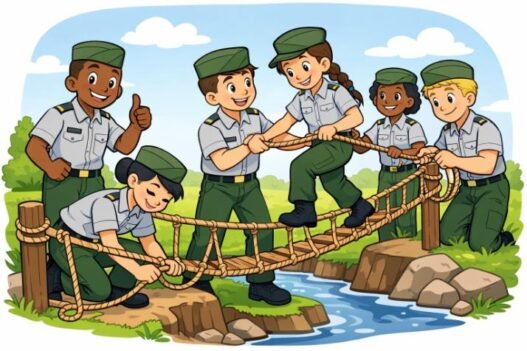
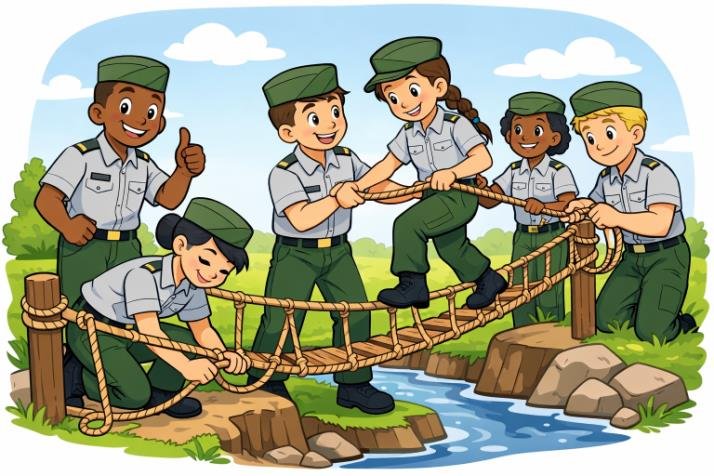
Teamwork is emphasized throughout the JROTC experience. Cadets regularly participate in group activities that require coordination, such as constructing a rope bridge or navigating an obstacle course. These events teach vital communication and interpersonal skills, as cadets must both lead and follow in different situations. The program encourages each participant to listen actively, provide constructive feedback, and motivate peers. This focus on teamwork is crucial in all facets of life, from academics to future workplaces.
Real-World Application of Skills
The skills cadets acquire in JROTC are not merely theoretical. Competitions, such as the National Raider Competition, serve as real-world tests of everything learned throughout the year. Here, teens apply their leadership, strategy, and teamwork skills in dynamic, sometimes high-pressure situations. Succeeding in these competitions proves the effectiveness of the JROTC program and amplifies each cadet’s sense of accomplishment and readiness for challenges beyond high school.
Preparation for Future Endeavors
The Army JROTC experience prepares teens for much more than military service. While some graduates choose to enlist, many transition to college or civilian careers with a competitive edge, thanks to the leadership, organizational, and communication skills developed in JROTC. Employers and college admissions officers value these qualities, knowing that former cadets bring a disciplined, collaborative, and solution-oriented mindset to any environment. For further insights into the long-term career benefits of leadership programs, see this Forbes article on the importance of leadership training for youth.
Long-Term Benefits and Alumni Perspectives
Many JROTC alumni consistently report that the lessons and skills acquired through the program served them well into adulthood. Alums often highlight that the rigorous structure of JROTC helps develop strong habits, such as punctuality, organization, and time management, enabling students to excel in both college and their future workplaces. The long-lasting friendships and professional networks formed in JROTC can also be valuable resources. These networks often provide support, mentorship opportunities, and even job leads post-graduation. JROTC alums frequently return to mentor current cadets, sharing insights from their journeys and fostering a sense of community and tradition within the program.
Furthermore, former cadets in various occupations, from business leadership to engineering and public service, attribute much of their professional discipline and drive to their time spent in JROTC. The confidence developed through leadership roles, public speaking exercises, and service-learning projects often translates into tangible success in adulthood. JROTC promotes civic responsibility and encourages graduates to remain engaged citizens who contribute positively to their communities.
Family and Community Engagement
Army JROTC is unique in its ability to foster partnerships beyond the classroom. Families are encouraged to participate in awards ceremonies, community service projects, and special events, deepening their engagement with students’ growth. The program often collaborates with local organizations to host volunteering opportunities, benefit drives, and public ceremonies that instill a strong sense of civic duty in cadets. These community ties help reinforce the value of public service and expose cadets to a wide array of potential career paths and role models.
Through these collaborative events, cadets get practice in project management, organizational leadership, and navigating complex social dynamics. Parents frequently remark on the positive changes they observe in their children, noting improvements in maturity, responsibility, and communication. The sense of shared accomplishment, both within cadet teams and between families and program leaders, underlines why JROTC remains valued in schools nationwide.
Conclusion
Army JROTC programs are integral to developing strong, capable leaders during the formative teenage years. Through carefully structured training, challenging activities, and the real-world application of learned skills, cadets emerge with newfound confidence, self-discipline, and an appreciation for teamwork. These qualities equip graduates for success, whether they choose military service or civilian professions, and ensure that the legacy of leadership continues far beyond high school graduation.