You brush, you floss when you can, and you still wonder if you are doing enough. That feeling is common, especially when your gums bleed a little, your teeth feel rough by the end of the day, or your child keeps rushing through brushing in under a minute. Home care can feel simple on paper and messy in real life, and some people may even explore gum disease treatment options in East Cobb when those concerns continue. The good news is that a few well chosen tools can make daily care easier, more consistent, and more effective.
A family dentist often recommends home care tools based on what is happening in your mouth right now, not what looks best on a store shelf. Some people need better plaque removal around the gumline. Some need help cleaning between tight teeth. Some need a gentler option because sensitivity has turned brushing into something they avoid. The right setup usually comes down to five basics that support cleaner teeth, healthier gums, and fewer surprises at your next visit.
A family dentist often starts with the tools you will actually use
Buying more products does not always mean better care. Many people already have a crowded bathroom drawer filled with mouthwash, whitening pens, and half used gadgets. The problem is not effort. The problem is that the most useful tools are often the least flashy.
A family dentist may recommend a soft bristled toothbrush first, because hard bristles and aggressive brushing can wear down enamel and irritate gums. If you scrub because your teeth never feel fully clean, you can end up causing more tenderness and recession. A soft brush used with a gentle technique usually removes plaque better than a hard brush used with force.
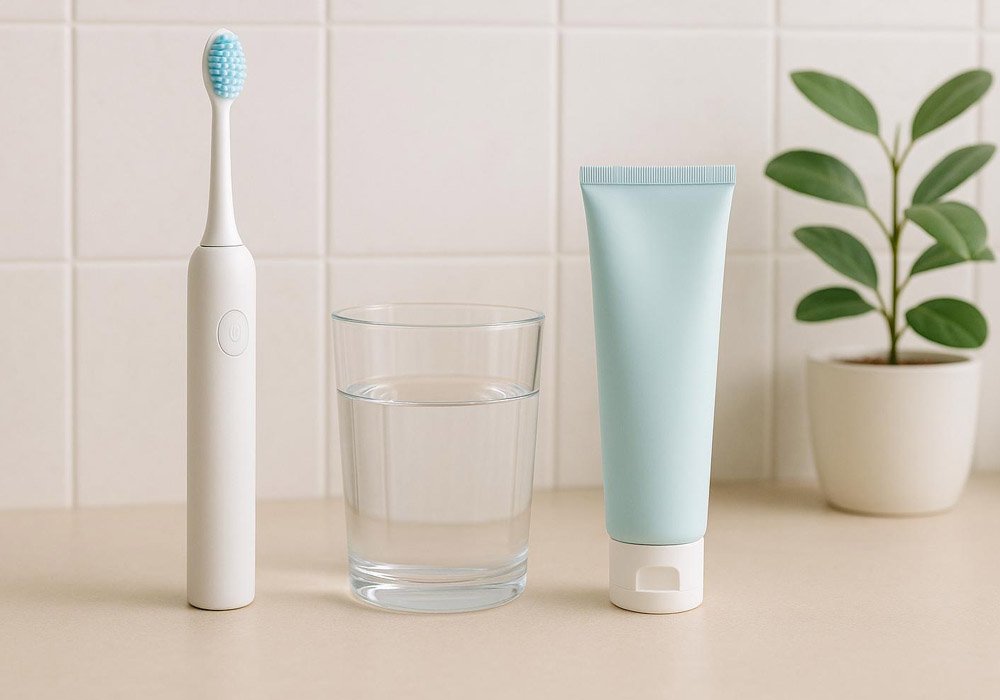
Electric toothbrushes come up often for the same reason. They help people who rush, press too hard, or miss the back teeth. For children, teens with braces, older adults with arthritis, and busy parents who are brushing half asleep, an electric brush can take some of the guesswork out of the routine. The National Institute of Dental and Craniofacial Research offers practical oral hygiene guidance that supports the basics of brushing and cleaning between teeth every day.
Floss or interdental cleaners are another common recommendation, because a toothbrush cannot clean the sides of your teeth where plaque likes to sit. If traditional floss feels frustrating, that does not mean you should give up. Floss picks, interdental brushes, or water flossers may fit your hands, your schedule, or your dental work better.
Fluoride toothpaste matters more than many people realize. If you deal with sensitivity, early decay, dry mouth, or frequent snacking, the toothpaste itself can make a real difference. A family dental provider may suggest a standard fluoride paste, a sensitivity formula, or a prescription option if your risk is higher.
Mouthwash can help, but it depends on the reason for using it. Some rinses focus on fluoride. Others target plaque or gingivitis. If you are using one mainly for fresh breath, it may not be doing much for the issue causing the odor. The Centers for Disease Control and Prevention shares clear oral health tips for adults that reinforce daily brushing, flossing, and regular dental care as the core of prevention.
Home dental care tools work best when they match your real habits
This is where people get stuck. You may buy string floss because you know you should use it, then avoid it because it shreds between your teeth or makes your gums sore. You may keep using a worn out toothbrush for months because replacing it slips your mind. You may choose a whitening paste that leaves your teeth aching, then skip brushing at night because you dread the sting.
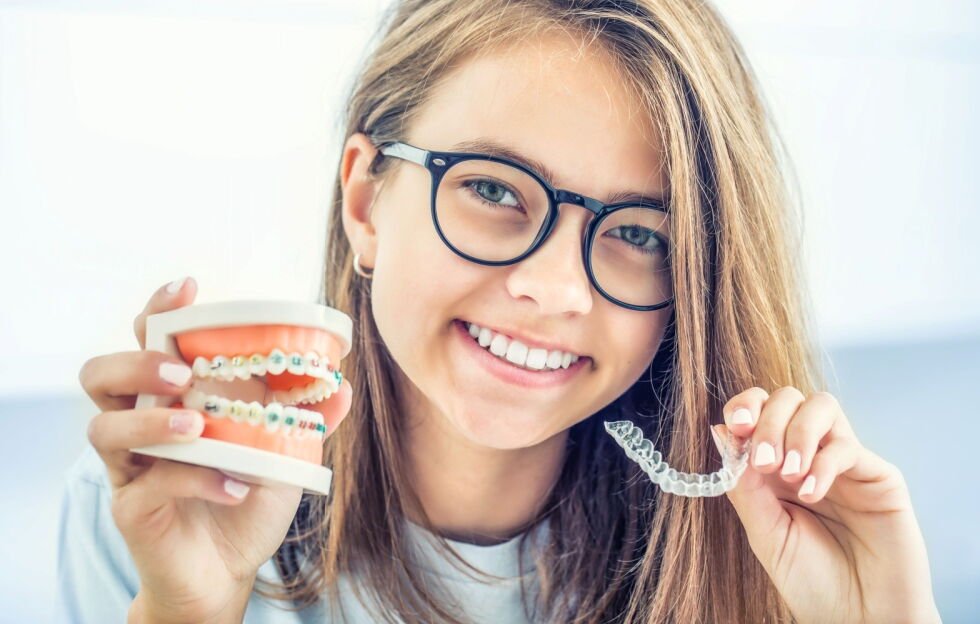
That mismatch matters. Plaque builds up quietly, and small problems stay small only if your routine can keep up with them. A child with crowded teeth may need floss picks. Someone with bridges or braces may do better with interdental brushes. A person with dry mouth may need fluoride support and alcohol free rinse. MedlinePlus has a useful overview of dental health topics if you are trying to sort out symptoms, products, or common conditions.
At home oral care tools are not one size fits all. The best tool is often the one that removes friction from the routine so you will keep using it on tired nights, rushed mornings, and the days when motivation is low.
Five tools a family dental provider may suggest for daily care
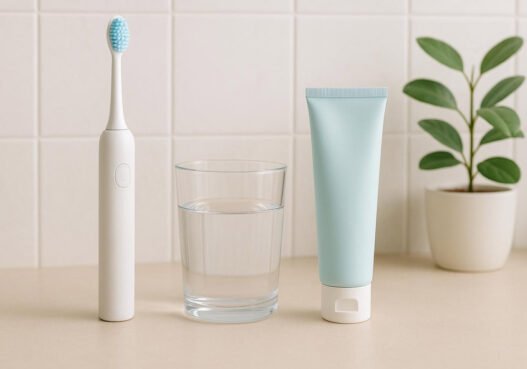
The list is usually straightforward. A soft manual toothbrush or electric toothbrush. Fluoride toothpaste. Floss or another interdental cleaner. A therapeutic mouthwash when needed. A tongue scraper can also be helpful for people dealing with bad breath, heavy coating on the tongue, or dry mouth, though it is usually a support tool rather than a replacement for the basics.
| Tool | Best For | Main Benefit | Watch For |
| Soft bristled toothbrush | Most people | Gentle plaque removal along teeth and gums | Replace every 3 to 4 months or sooner if frayed |
| Electric toothbrush | People who rush, press hard, have braces, or limited hand strength | More consistent brushing and built in timing on many models | Use a soft head and avoid overpressure |
| Floss or interdental cleaners | Tight contacts, gum inflammation, bridges, braces | Cleans where brushes cannot reach | Choose the type you can use daily without frustration |
| Fluoride toothpaste | Cavity prevention, sensitivity support | Strengthens enamel and lowers decay risk | Match the formula to sensitivity or dry mouth if needed |
| Therapeutic mouthwash or tongue scraper | Bad breath, extra fluoride needs, plaque control support | Adds support to brushing and flossing | Do not use as a substitute for mechanical cleaning |
Simple steps make these home dental tools easier to use
Build around one weak spot. If your routine keeps falling apart at night, fix that first. Put floss picks by the sink. Keep your brush charged and visible. Choose a toothpaste you do not mind using twice a day. One solved obstacle is better than five new products.
Ask for a recommendation based on your mouth, not trends. Bleeding gums, sensitivity, braces, implants, and dry mouth all change what works best. Dental home care tools should fit your needs, not a generic checklist.
Check your technique before you buy more. A gentle two minute brush, daily cleaning between teeth, and the right fluoride toothpaste do more than a shelf full of products used once or twice. If your gums still bleed after a week or two of steady care, or if sensitivity is getting worse, schedule a dental visit.
Better home care starts with the right basics
You do not need a perfect routine. You need one that works on ordinary days. The right tools can lower plaque, reduce gum irritation, and help you catch problems before they become painful or expensive. If your current routine feels like guesswork, a family dentist can help you narrow it down to what your teeth and gums actually need.
Take a look at your current setup, replace what is worn out, and ask your dental office which of these tools makes the most sense for you or your family.