
Unlocking the door to your very first home is one of life’s most exhilarating milestones. However, once the initial excitement of closing day settles, the reality of homeownership sets in. Moving your entire life into a new space while suddenly becoming responsible for every repair, maintenance task, and system upkeep can feel overwhelming. Fortunately, navigating this transition doesn’t have to be a trial by fire. By understanding how to streamline your move and stay ahead of critical property care, you can protect your investment and enjoy your new sanctuary. Here is your ultimate survival guide for moving in and mastering essential home improvement habits from day one.
Streamlining Your Move Without the Stress
The transition into a new property marks the beginning of your home improvement journey, but the moving process itself often feels like the hardest hurdle to clear. Packing up years of belongings, coordinating timelines, and physically transporting heavy furniture can quickly drain your enthusiasm. According to This Old House, 91% of people consider moving to be a stressful experience, yet bringing in professional movers can dramatically lighten the burden by managing heavy lifting and complex logistics. Delegating the heaviest tasks allows you to focus your energy on settling in, organizing your new layout, and planning initial upgrades rather than exhausting yourself on day one.
Protecting Your Home’s Exterior Curb Appeal
Once you’re settled inside, turning your attention to the exterior is vital for preserving your property’s structural integrity and visual appeal. Your home’s siding acts as its primary shield against harsh weather, moisture, and temperature fluctuations. According to Nationwide, natural wood siding requires more attentive care and typically demands a fresh coat of paint every three to seven years to stay protected. Staying on top of exterior repainting prevents wood rot, repels pests, and keeps your property looking refreshed. Incorporating exterior touch-ups into your routine maintenance checklist ensures that minor cosmetic updates don’t turn into costly structural repairs down the road.
Prioritizing Indoor Safety and Electrical Health
While exterior upgrades boost curb appeal, indoor safety should always take top priority for first-time buyers. Modern households rely heavily on complex electrical systems to power appliances, electronics, and heating or cooling equipment. Ensuring your system can safely handle your energy demands is an essential home improvement measure. According to Trademasters, professionals advise scheduling a residential electrical panel inspection every three to five years, or even once a year if you live in an older property. Regular checkups by a certified electrician prevent hidden hazards, reduce the risk of power surges, and give you complete peace of mind as you settle into your routines.
Managing Plumbing, Climate Control, and Efficiency
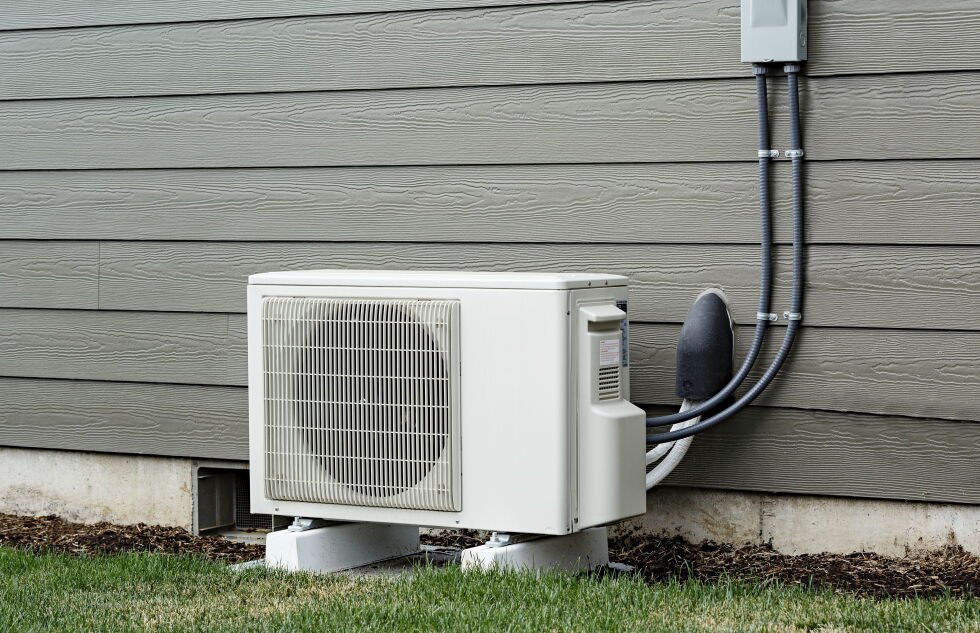
Beyond electrical upkeep, maintaining your plumbing and HVAC systems is crucial for maintaining daily comfort and avoiding catastrophic water damage or unexpected utility spikes. Learn the exact location of your main water shut-off valve immediately so you can react swiftly during an emergency. Make it a routine habit to inspect under sinks for slow drips, drain your water heater annually to prevent sediment buildup, and schedule professional seasonal servicing for your furnace and air conditioner to maximize efficiency and extend equipment lifespan.
Building a Proactive Maintenance Mindset
Mastering homeownership is ultimately about shifting from a reactive mindset to a proactive one. Instead of waiting for a pipe to leak or an appliance to break, establish a recurring monthly checklist. Inspect your roof shingles after major storms, clean out rain gutters to prevent water damage, and replace HVAC air filters every one to three months. Setting aside a dedicated emergency home repair fund—ideally one to two percent of your home’s value each year—will also ensure that unexpected maintenance costs never disrupt your financial stability or peace of mind.
Transforming Space with Smart DIY Projects
As you get comfortable managing routine chores, you can begin personalizing your living space through manageable DIY projects. Simple tasks like replacing outdated cabinet hardware, installing modern light fixtures, or laying down fresh caulking around tubs and backsplash tile can instantly elevate your interior design without requiring a massive budget. Starting with these small, low-risk upgrades builds your practical handyperson skills, boosts your confidence, and helps turn a standard house into a personalized home you love.
Becoming a homeowner is an ongoing process of learning, adapting, and continuously caring for your physical space. While the moving process and initial maintenance requirements may seem daunting at first, taking a structured, step-by-step approach simplifies every challenge. By seeking professional assistance during your move, keeping up with exterior painting, and prioritizing crucial safety inspections for your electrical system, you build a solid foundation for long-term home improvement success. Embrace the learning curve, celebrate small victories along the way, and take pride in creating a safe, beautiful home that will serve you comfortably for years to come.