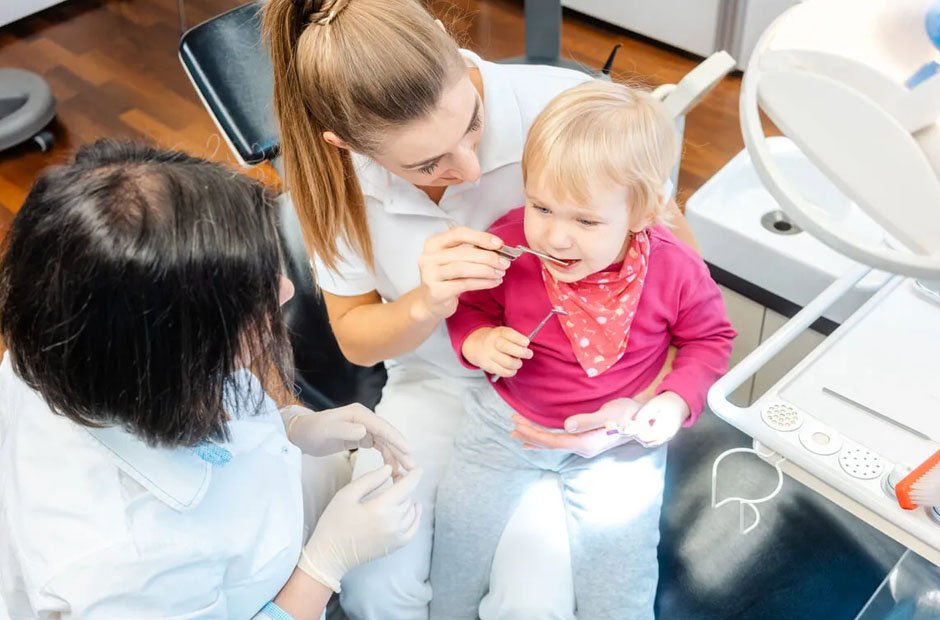
Your child’s first dental visit can stir up worry, hope, and many questions. You want to protect your child’s smile, and you do not want surprises. This first visit sets the tone for how your child will feel about dental care for years. So you need clear answers. You need to know what will happen, what to watch for at home, and how this dentist will treat your child when you are anxious or tired. When you meet a dentist in Mequon, WI, you should feel safe asking direct questions and getting honest guidance. This blog gives you six sharp questions to use at that first appointment. Each question helps you understand your child’s needs, the office routine, and how the team responds when something hurts or feels scary. With the right questions, you stand up for your child and support a strong, steady start.
1. “What will you do during this first visit?”
Your child needs to know what will happen. You do too. Ask the dentist to walk through each step in plain language.
Many first visits include three basic parts.
- Talking about your child’s health and habits
- Looking at teeth, gums, and bite
- Cleaning teeth and adding fluoride if needed
Ask these follow up questions.
- Will you take X-rays today or wait until a later visit
- How long will my child sit in the chair
- Can I stay with my child the whole time
You can compare common first visit steps with what this office plans to do. The American Academy of Pediatric Dentistry explains what a first visit often includes. Use that as a reference if the plan seems unclear.
2. “How do you help nervous or scared children?”
Fear is common. Your child may cry, freeze, or ask to leave. You need to know how the team will react when that happens.
Ask the dentist to describe how they handle fear.
- Do they speak to the child first or to you
- Do they explain tools before using them
- Do they offer breaks or stop if your child raises a hand
Then ask how they handle stronger fear. For example.
- What if my child refuses to open their mouth
- What if my child has past trauma or special needs
- Do you ever use medicine to relax children, and when
The words and tone the team uses can either calm or scare a child. You deserve to hear clear, steady answers that match your values.
3. “What is my child’s risk for cavities right now?”
Cavities are common. They are also preventable. You need to know your child’s risk today so you can act.
Ask the dentist to rate your child’s risk as low, medium, or high. Then ask why. The reasons may include three main points.
- Current decay or weak spots
- Snack and drink habits
- How and how often you brush and floss
Then ask what you can change at home in the next month.
- Specific brushing routine by time and method
- Snack and drink swaps that cut sugar
- Fluoride use and any sealant plans
The Centers for Disease Control and Prevention offers clear facts on childhood cavities. Use it to support what you hear in the office.
4. “How should we care for our child’s teeth at home?”
You spend far more time at home than in any dental office. That daily care shapes your child’s mouth health.
Ask for a simple routine that fits your child’s age.
| Age | Brushing | Flossing | Fluoride
|
| Under 3 years | Adult brushes twice a day with a smear of paste | Start if teeth touch | Use a tiny smear of fluoride paste if the dentist agrees |
| 3 to 6 years | Adult helps twice a day with pea-sized paste | Adult flosses once a day if teeth touch | Fluoride paste. Ask about fluoride varnish |
| Over 6 years | Child brushes. Adult checks and coaches | Child flosses with adult help | Fluoride paste and office treatments as needed |
Ask the dentist to show you how to brush your child’s teeth in the chair. Then ask them to watch you brush a few teeth so you leave with clear skill, not guesswork.
5. “How often should we schedule checkups and cleanings?”
Many children do well with a visit every six months. Some need more. Some with low risk may need less.
Ask the dentist for a schedule made for your child. Then ask what would make that schedule change. For example.
- New cavities or pain
- Changes in health or medicine
- Braces or other treatment
Also, ask what must happen at each visit. You can request that the office tell you before they start X-rays, fluoride, or other steps. That way, you stay in control and can ask questions when something new comes up.
6. “How will you communicate with me about findings and costs?”
Clear talk builds trust. You should leave the visit knowing what they found and what it may cost to fix problems.
Ask how the dentist will share findings.
- Do they review X-rays with you in the room
- Do they use plain words instead of medical terms
- Do you get a written care plan before treatment
Then ask about money.
- Will you tell me the costs before we schedule treatment
- Do you offer different options when care is not urgent
- How do you work with my insurance, if I have it
When communication is clear, you can make calm choices that match your child’s needs and your budget.
Leaving the first visit with confidence
The first dental visit sets a pattern. Your questions shape that pattern. When you ask about the visit steps, fear, cavity risk, home care, visit timing, and communication, you protect your child from confusion and harm.
Write these six questions on a card or in your phone. Bring them to the appointment. Ask each one. Then listen for answers that feel steady, honest, and respectful of your child. That clear talk today supports a strong mouth and a calmer heart for many years.