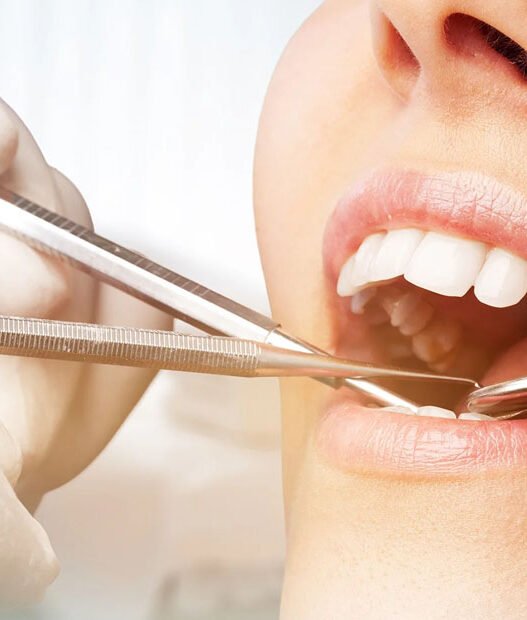
Healthy gums protect your whole body. They affect how you eat, speak, and smile. When you ignore them, pain and infection creep in fast. You may not notice problems at first. Then bleeding, bad breath, and loose teeth can follow. Before you know it, you’ll have to visit a Schaumburg Dentist to get things taken care of.
This guide gives you six simple habits that keep your gums strong at every age. You will see how to clean your teeth the right way. You will learn what to watch for at home.
Each step is clear and practical. You can start today with what you already have in your bathroom. You do not need special tools or costly treatments to protect your gums. You only need steady care, honest attention, and a plan you trust. Your gums can stay firm, clean, and pain-free with small daily choices.
1. Brush the right way twice each day
Brushing is your first defense against gum disease. Food and germs collect along the gumline. If you leave them there, they harden and irritate your gums.
Use this simple routine.
- Brush two times each day for two minutes.
- Use a soft toothbrush and fluoride toothpaste.
- Angle the bristles toward the gumline.
- Use short, gentle strokes on every tooth.
Never scrub hard. That strips gum tissue and exposes roots. Gentle pressure works better and feels safer for children and adults.
2. Clean between teeth every day
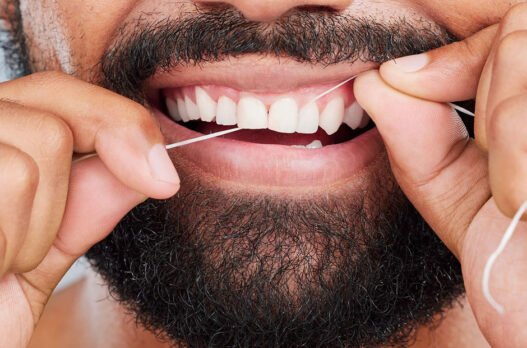
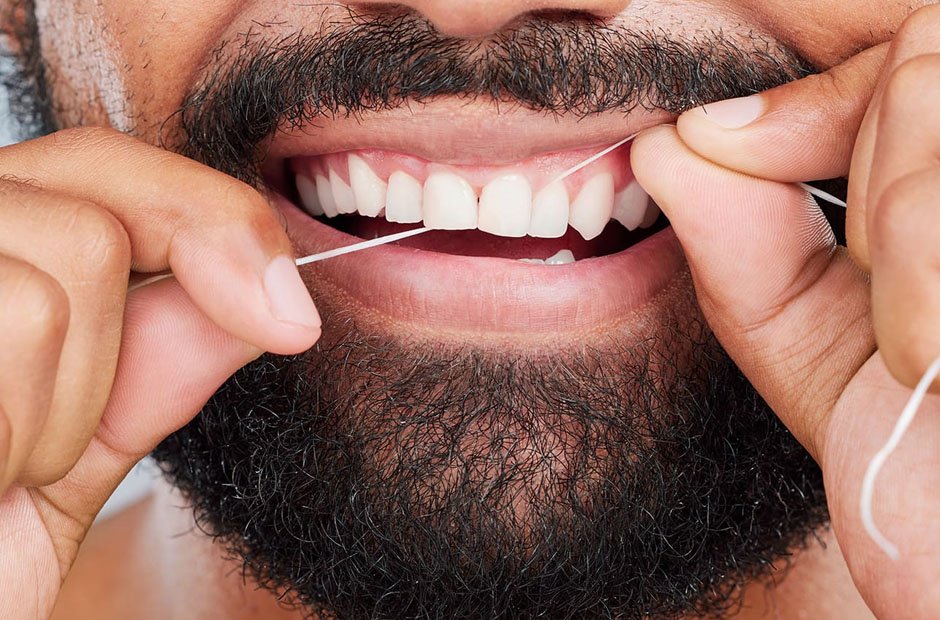
Your brush cannot reach between teeth. Germs hide there and attack your gums. Daily cleaning between teeth breaks up that sticky film.
You can use:
- Dental floss
- Pre threaded flossers
- Small interdental brushes
- Water flossers
Choose the tool you will use each day. Then clean between every tooth with slow, careful moves. Slide along the side of each tooth and under the gumline. Do not snap the floss into your gums.
3. Use mouthwash that fights gum disease
An antimicrobial mouthwash reaches spots your brush and floss miss. It lowers germs that cause gum swelling and bleeding. It also reduces bad breath.
The American Dental Association explains that mouth rinses can support gum health when you still brush and floss.
Look for a rinse with the ADA Seal of Acceptance. Follow the directions on the label. Swish for the full time. Then spit the rinse out. Children should use mouthwash only with adult guidance to avoid swallowing it.
4. Watch what you eat and drink
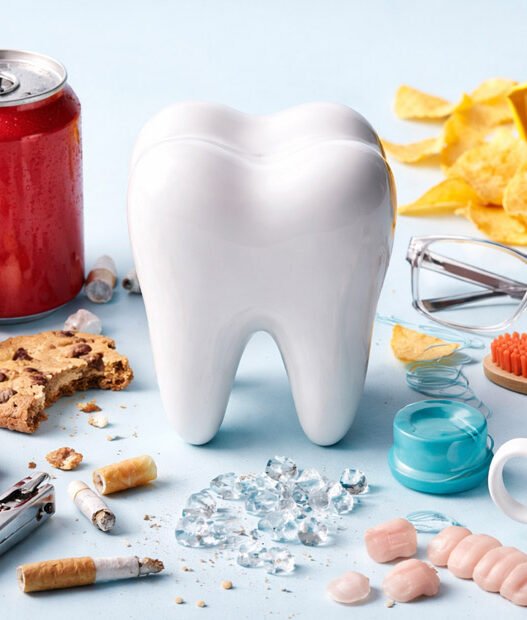
Your daily food choices shape your gum health. Sugar feeds germs that attack gums. Sticky snacks and sweet drinks cling to teeth. Acidic drinks like soda and sports drinks also weaken tooth surfaces.
Simple changes help.
- Limit sweets and sweetened drinks.
- Drink plain water with and between meals.
- Choose fresh fruits, vegetables, lean protein, and dairy.
The Centers for Disease Control and Prevention explains that healthy eating supports both teeth and gums throughout life. A steady pattern of water, balanced meals, and fewer snacks gives your gums a calmer place to heal and stay stable.
5. Quit smoking and vaping
Tobacco use harms your gums in quiet ways. It cuts blood flow, slows healing, and hides early warning signs. Smokers often do not see gum bleeding even when the disease has started.
Quitting is one of the strongest steps you can take for gum health. It lowers your risk of gum disease and tooth loss. It also improves breath and taste.
If you use cigarettes or vaping products, reach out for support. Talk with your dentist or doctor. Call quit lines. Use nicotine replacement if recommended. Every day without tobacco gives your gums a better chance to recover.
6. See your dentist on a regular schedule
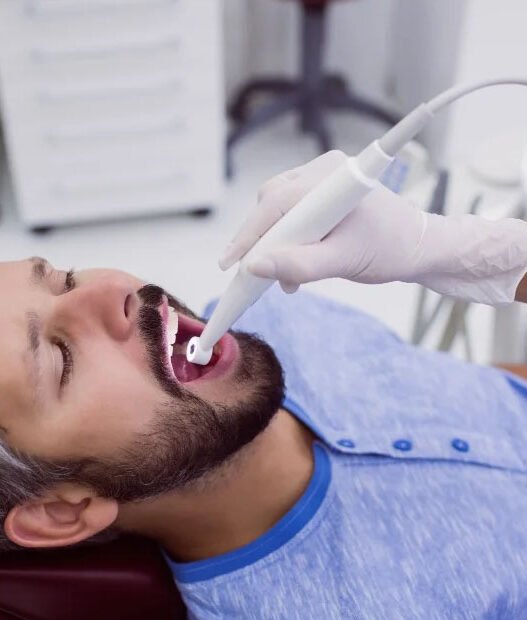
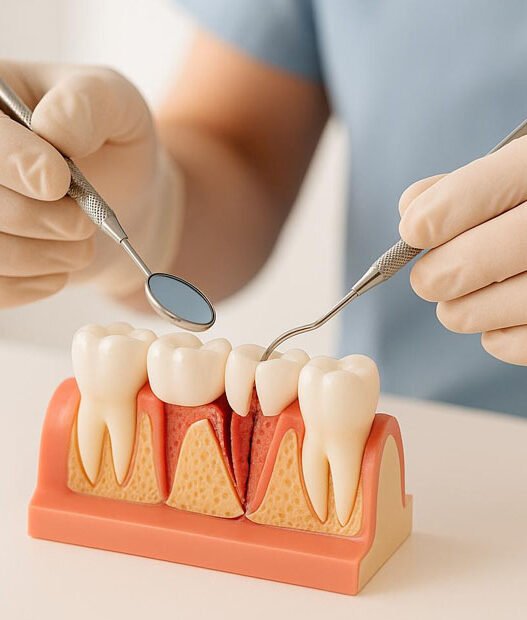
Home care is not enough on its own. Hardened buildup called tartar forms where your brush and floss cannot remove all plaque. Only a dental professional can remove this buildup safely.
Routine visits usually happen every six months. Some people need cleanings more often because of diabetes, pregnancy, past gum disease, or medicines that dry the mouth. During these visits, the dentist or hygienist will:
- Measure the depth of spaces between teeth and gums.
- Check for bleeding, swelling, and recession.
- Clean away plaque and tartar above and below the gumline.
These checks catch problems early. That means simpler treatment and less pain.
Common gum warning signs to watch at home
Pay close attention to your gums each day. Do not ignore small changes. Call a dentist if you notice:
- Red or swollen gums
- Bleeding when you brush or floss
- Gums that pull away from teeth
- Loose teeth or changes in your bite
- Constant bad breath or bad taste
Early gum disease can often be reversed with better cleaning and a professional visit. Waiting lets the damage grow deeper.
How daily habits compare for gum protection
| Habit | How often | Main benefit for gums
|
| Brushing with fluoride toothpaste | Two times each day | Removes plaque along the gumline and protects teeth |
| Cleaning between teeth | One time each day | Breaks up hidden plaque between teeth and under gums |
| Using antimicrobial mouthwash | One or two times each day | Lowers germs and freshens breath |
| Choosing water and healthy snacks | All day | Reduces sugar and acid that stress gums |
| Not smoking or vaping | Ongoing | Improves blood flow and healing in gum tissue |
| Dental checkups and cleanings | Every 6 to 12 months | Removes tartar and catches disease early |
Putting it all together for your family
Healthy gums come from steady habits, not perfect ones. Focus on three simple moves. Brush with care. Clean between teeth. See your dentist on a routine schedule. Then add mouthwash, better food choices, and tobacco-free living as you can.
Talk with children in clear, calm words. Show them how to brush and floss. Make it a shared routine in the morning and at night. Use a timer or a favorite song for two minutes. Your own actions teach more than any lecture.
Your gums respond to respect. With small daily steps, you can protect your smile, eat with comfort, and avoid many dental emergencies. Start tonight. Your next meal, your next laugh, and your long-term health all depend on the care you give your gums now.