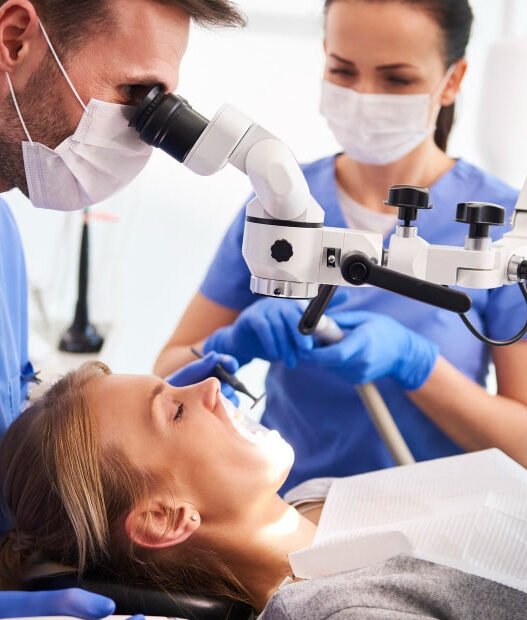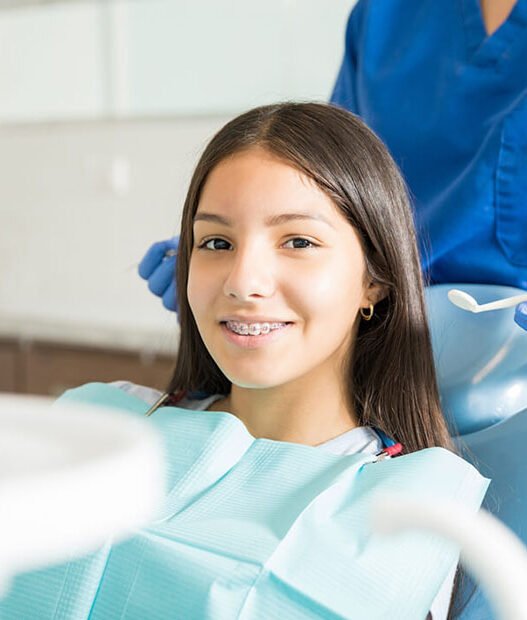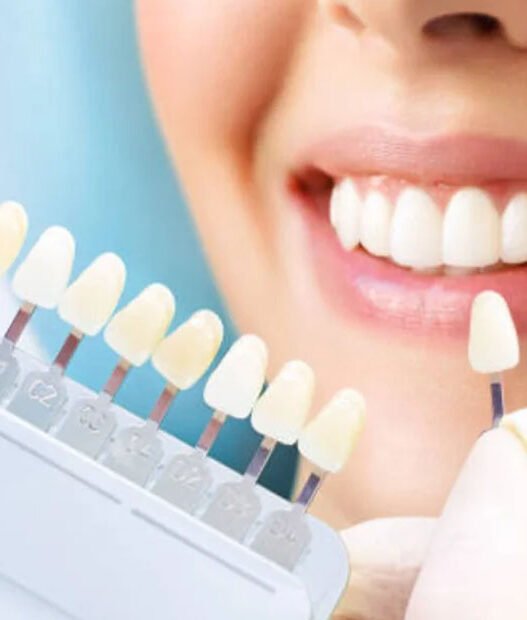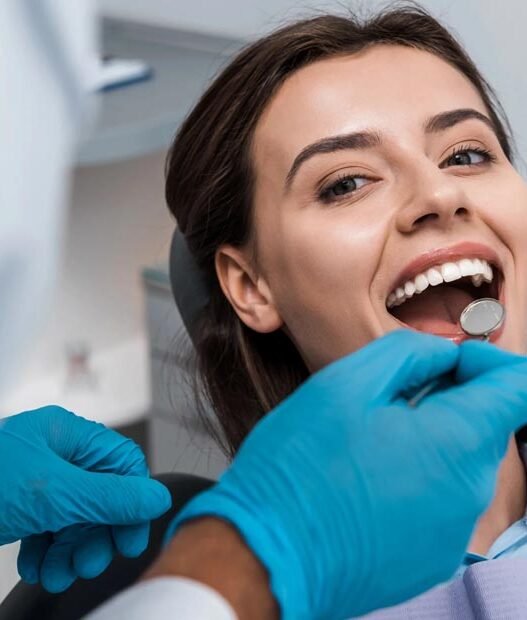
More adults now seek cosmetic dentistry after 40. You might feel uneasy about your smile during work, family photos, or social events. You are not alone. Many people wait until later in life to fix worn teeth, old fillings, or stains that never went away. Some now have the money, time, or courage to act. Others face new health issues and want a strong, steady bite. This shift is clear in every community. It includes your local dentist in Clearwater, FL. The goal is simple. You want teeth that feel strong and look clean. You also want care that respects your age and health needs. This blog explains four common reasons adults choose cosmetic dentistry later in life. It helps you see your own story in these reasons. It also helps you decide if now is the right moment to change your smile.
1. You Have New Priorities And More Control Over Your Life
In your 20s and 30s, you may focus on rent, child care, or student loans. Cosmetic care feels like a luxury. Time also feels short. You rush between work and home and put your own needs last.
Later in life, your priorities shift. Children grow up. Careers settle. You may clear debt. You start to look at long delayed needs, including your mouth.
Common reasons you act now include:
- You finally have a steady income for planned care
- You can take time off for visits and recovery
- You want to feel confident at work or before retirement
The National Institute of Dental and Craniofacial Research reports that many adults live with untreated tooth wear and color changes. You may accept these changes for years. Then one day, you look in a mirror or a photo and feel a sharp urge to act. That moment often comes in midlife.
2. Your Teeth Change As You Age
Teeth change slowly, and you may not notice until the change feels large. Stains deepen. Edges chip. Old fillings crack. Gums pull back. These changes can affect how you eat, speak, and smile.
Three common age-related changes include:
- Color changes. Coffee, tea, tobacco, and some medicines darken teeth over time
- Wear and tear. Years of chewing or grinding can flatten or chip teeth
- Shifts in bite. Missing teeth or worn fillings can move your bite out of line
Cosmetic care at this stage often blends with health care. A crown can improve your smile. It can also protect a weak tooth. A bridge can fill a gap. It can also steady your bite and help you chew.
Later treatment can still work well. It only needs the right plan. You and your dentist can review your medical history, current medicines, and mouth changes. You then choose care that fits your body and your goals.
3. You Want To Protect Your Health, Not Just Your Looks
Many adults first seek cosmetic care for looks. Then they learn that a healthy mouth supports the whole body. Gum disease is linked to heart disease and diabetes. Tooth loss can affect diet and weight. Pain can disturb sleep.
The U.S. Centers for Disease Control and Prevention explains that gum disease is common in adults and can raise the risk of other health problems.
Cosmetic treatment can support health in three ways:
- Cleaning and whitening. Stain removal and smoothing can help you clean better at home
- Repair and replacement. Crowns, veneers, and implants can restore broken or missing teeth
- Bite balance. Correcting worn surfaces can reduce strain on your jaw and head
You may start with a wish for a brighter smile. You may leave with a plan that lowers pain, protects your heart and blood sugar, and helps you eat a wide range of foods again.
4. Safer, More Comfortable Options Now Exist
Memories of past dental visits can cause fear. Older tools and methods often caused pain. Many adults avoid care for years due to these memories. They live with shame or quiet anger about their teeth.
Current methods are different. Care now focuses on comfort and respect. Numbing is better. Tools are smaller. Some visits are shorter. You stay more in control.
New choices can include:
- Tooth colored fillings that blend with natural teeth
- Thin veneers that remove less tooth structure
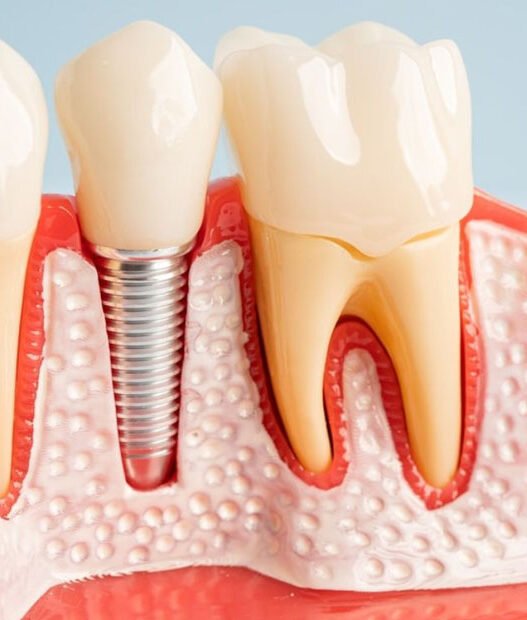
- Implants that act like strong roots and can last many years
- Aligners that straighten teeth with less metal
You can ask questions, set limits, and move at your own pace. A good team explains each step in plain words. You decide what feels right for your body and your budget.
Comparing Common Cosmetic Options For Adults
| Treatment | Main purpose | Helps with | Typical time for results
|
| Teeth whitening | Lighten tooth color | Stains from food, drinks, tobacco | One to three visits |
| Bonding | Repair small flaws | Chips, gaps, uneven edges | One visit for most teeth |
| Veneers | Change shape and color | Worn teeth, deeper stains, gaps | Two to three visits |
| Crowns | Cover and protect teeth | Cracks, large fillings, weak teeth | Two visits for most cases |
| Implants | Replace missing teeth | Single or multiple missing teeth | Several months for full healing |
How To Decide If Now Is The Right Time
You may still feel unsure. That is normal. A simple plan can help.
First, list what bothers you most. Focus on three things. For example:
- Color of front teeth
- Gap from a missing tooth
- Rough or sharp edges that catch your tongue
Next, think about your health, your medicines, and your budget. Then schedule a visit for a full exam and honest talk. Share your list and ask for at least two options. One can be a small first step. The other can be a longer plan.
Your age does not block you from care. You deserve a mouth that feels steady and a smile that feels true to you. You can start with one small change. That first choice can restore comfort, pride, and calm every time you speak or laugh.