Key Takeaways
- Embracing biophilic design enhances well-being by bringing nature indoors, improving mood and focus.
- Adaptive reuse highlights the potential of existing structures to achieve a sustainable impact and preserve heritage.
- Smart technology integration fuels responsive, streamlined, and energy-efficient living environments tailored to occupants’ lifestyles.
- Using sustainable materials supports eco-friendly practices and reduces carbon footprints, reinforcing long-term environmental stewardship.
- Flexible, multifunctional spaces champion adaptability and maximize utility to support a variety of modern lifestyles and work arrangements.
In today’s fast-paced world, architecture and interior design professionals are at the forefront of creative innovation, continuously reimagining how we inhabit and interact with our environments. The balance between aesthetics, function, and sustainability is more crucial than ever, as global trends demand that spaces serve broader purposes beyond traditional uses. Leading firms like Forum Phi are pioneering these changes, ensuring that spaces are not merely beautiful but also functional, adaptive, and sustainable, reflecting a deep awareness of how our built environments influence our everyday lives, well-being, and even our ecological footprint. The design landscape has shifted from aesthetics alone to societal aspirations and responsibilities. Trends include biophilic design, which fosters a connection to nature, and tech integration for smarter buildings. The industry uses reusable materials, restores historic structures, and deploys responsive tech for personalized experiences. This evolution focuses on transforming spaces with environmental care and utility. The article shows innovative approaches, offering insights for architects, designers, and enthusiasts. These strategies help blend environment, technology, tradition, and function, enriching the creation of space and architectural dialogue.
Biophilic Design: Connecting with Nature Indoors
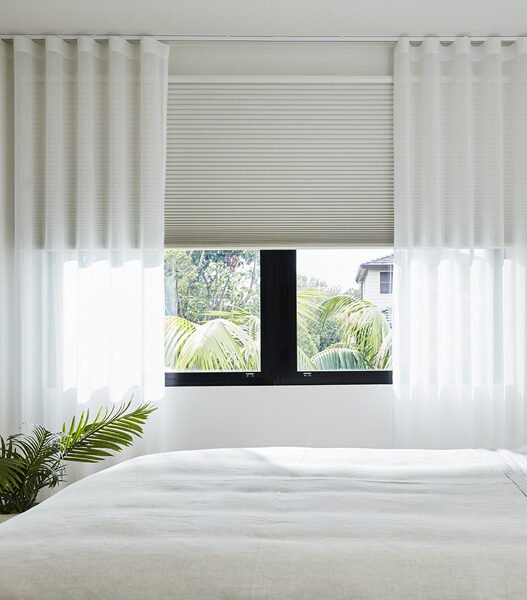
Biophilic design transforms architecture by emphasizing the innate bond humans share with nature. It incorporates natural light, organic materials such as wood and stone, and greenery into its spaces. This approach enhances air quality, emotional well-being, and overall well-being. Examples such as India’s Asmalay House, situated among mango trees, demonstrate harmony with nature. Urban design incorporating vertical gardens, green roofs, and water features fosters a connection to natural rhythms and offers an escape from urban environments.
Adaptive Reuse: Revitalizing and Repurposing Existing Structures
As cities evolve, adaptive reuse is vital for sustainable design. Instead of demolishing old buildings, design teams transform them, revitalizing structures and reducing environmental impact. This conserves resources, cuts waste, and supports sustainability. It also preserves cultural heritage, maintaining a city’s character. The RISD students’ renovation of the Frank Lloyd Wright building exemplifies the blending of modern use with the original design. Such projects turn old industrial buildings into arts centers, offices, or lofts, reestablishing their community role. Adaptive reuse strikes a balance between economic, social, and environmental goals, thereby fostering urban vitality.
Smart Technology Integration: Designing Intelligent Living Spaces
Advanced technologies are transforming built environments. Smart lighting uses natural light to save energy and set the mood. Automated HVAC systems respond to weather, occupancy, and preferences for efficiency and comfort. Security, app-controlled appliances, and air quality sensors help homes and workplaces adapt to users’ needs. These innovations improve efficiency, comfort, energy savings, and peace of mind. Voice control and AI enable seamless management of lighting, temperature, entertainment, and security remotely. As smart tech becomes normal, its influence on design—both functional and visual—will grow.
Sustainable Materials: Minimizing Environmental Impact Through Thoughtful Choices
With eco-consciousness rising among consumers, businesses, and governments, choosing sustainable materials is vital for innovative architecture and design. Modern designers prefer renewable, recycled, or low-energy materials like bamboo, cork, reclaimed metal, and recycled glass. Projects like the Maativan Farmhouse by Blurring Boundaries highlight using earth-based, recycled, and local materials to cut emissions and support local economies. Choosing the right materials also improves indoor air quality, as many are free from VOCs and toxins. This responsible approach benefits ecological health, creating buildings that coexist with the planet without compromising style or performance.
Flexible and Multifunctional Spaces: Adapting to Modern Needs
Changes in work patterns, lifestyles, and family dynamics have intensified the demand for adaptable interiors that maximize the use of limited space. Movable walls and panels, convertible furniture, and open-plan layouts enable spaces to be reconfigured for various uses throughout the day or week, accommodating a range of needs—from home offices and workouts to dining and relaxation. Such innovations are increasingly evident in both residential and commercial designs, empowering users to personalize their surroundings quickly and efficiently. Flexible architecture not only maximizes utility but also represents a sustainable approach as it prolongs the relevance and usability of spaces, minimizing the need for frequent renovations or expansions as needs evolve.
Embracing Cultural Influences: Innovating with Tradition in Mind
Cultural heritage inspires architects and interior designers by incorporating traditional forms, local art, indigenous materials, and communal practices. Nigerian designers transform market structures into modern spaces that celebrate local artistry, craftsmanship, and ingenuity. Embracing culture grounds spatial experiences in local context, honoring stories and values that might fade. This blend of past and present fuels creativity, ensures developments resonate with communities, maintains a vibrant urban fabric, and addresses modern needs with fresh perspectives.
Conclusion
The future of architecture and interior design is shaped by technology, sustainability, and cultural reverence. By adopting biophilic design, adaptive reuse, smart technology, sustainable materials, flexible spaces, and culturally inspired approaches, designers set new standards for the built environment. As demand for integrated, efficient, and meaningful design grows, professionals are empowered to enhance the human experience in every space. These innovative methods ensure architecture and interiors meet current needs and create inspiring, environmentally responsible spaces for future generations.