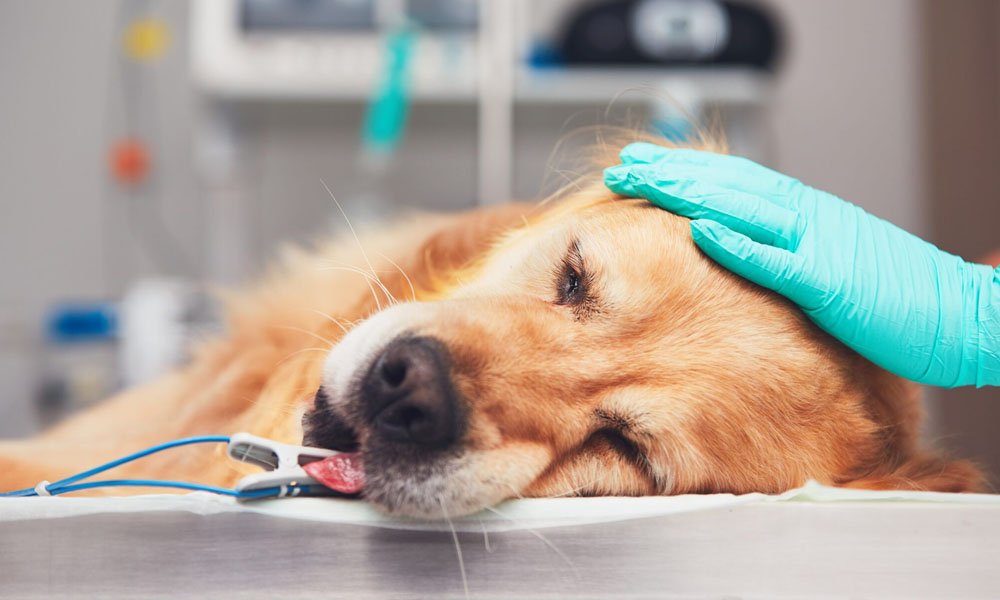
You might be feeling a knot in your stomach just reading the word “anesthesia.” Maybe your cat needs a dental cleaning, or your dog needs surgery, and the procedure itself is not what keeps you up at night. It is the idea of your pet going “under.” You picture the carrier ride, the drop off at the Fair Oaks animal hospital, the moment you hand over the leash or the crate, and you wonder if you are doing the right thing.
That worry is completely normal. Anesthesia feels mysterious. You cannot see it, you do not control it, and yet it touches the most precious thing in your life. Because of this tension, you might wonder how veterinary anesthesiology actually keeps your pet safe, what risks are real, and what is being done behind the scenes while you sit in the waiting room.
Here is the short version. Modern veterinary anesthesiology is far more careful, personalized, and monitored than most people realize. When it is planned and managed well, anesthesia allows veterinarians to perform procedures that would otherwise be painful or impossible, while keeping the risk as low as reasonably possible. Your job is not to become an expert overnight. Your job is to understand the key pieces, ask clear questions, and choose a team that treats your pet like a living, breathing individual, not a “routine case.”
Why does my pet even need anesthesia, and why does it feel so scary?
It often starts with something small. A broken tooth. A limp that will not go away. A lump you noticed during a cuddle on the couch. Your veterinarian examines your pet, explains the findings, and then says the word you were hoping not to hear. “We should schedule a procedure, and your pet will need anesthesia.”
In that moment, your mind may jump straight to the worst what if. What if my pet does not wake up. What if something goes wrong and I am not there to help. You might even wonder if it would be safer to avoid the procedure altogether, even if that means your pet lives with pain or an untreated condition.
The fear is understandable. Anesthesia is not zero risk. But it is important to remember what happens if you avoid it. A cat with severe dental disease who never gets a cleaning or extractions lives with constant pain and infection. A dog with a torn ligament who never has surgery may develop arthritis, chronic pain, and limited mobility. In many cases, not treating the problem carries its own serious risk, just in a slower, quieter way.
So where does that leave you. It leaves you needing a clear picture of what anesthesia actually involves, what your Cat And Dog Animal Hospital team is doing to protect your pet, and how you can be part of that safety plan.
What really happens during veterinary anesthesia for cats and dogs?
Think of pet anesthesia as a carefully managed process, not a single injection. Your veterinarian and team use several steps to lower risk and increase comfort. Each step has a purpose, and each can be adjusted for your pet.
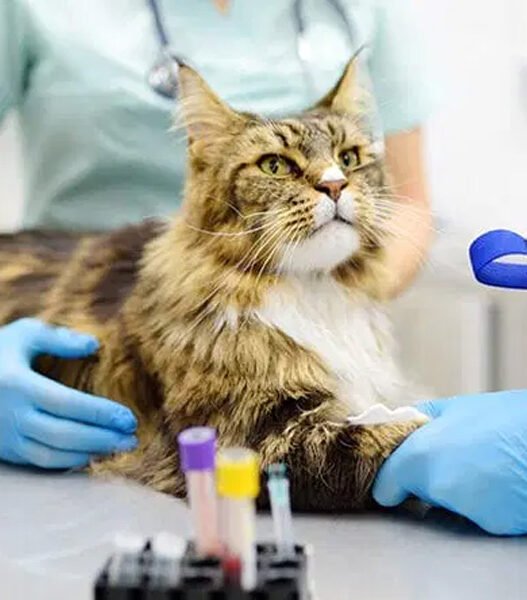
Before anesthesia, there is a pre-anesthetic evaluation. This may include a physical exam, blood work, and sometimes imaging like X rays or ultrasound. The goal is to uncover hidden issues such as kidney disease, heart problems, or anemia that could change the anesthetic plan. Resources like the Merck Veterinary Manual overview on anesthesia describe how this assessment guides drug choices and monitoring.
Then there is the anesthetic plan itself. Different drugs are used for different pets and different procedures. A healthy young dog coming in for a simple spay will not get the same protocol as an older cat with kidney disease needing a dental extraction. The veterinarian chooses medications for premedication, induction, and maintenance of anesthesia, often combining pain control and anti anxiety benefits with the anesthetic effect.
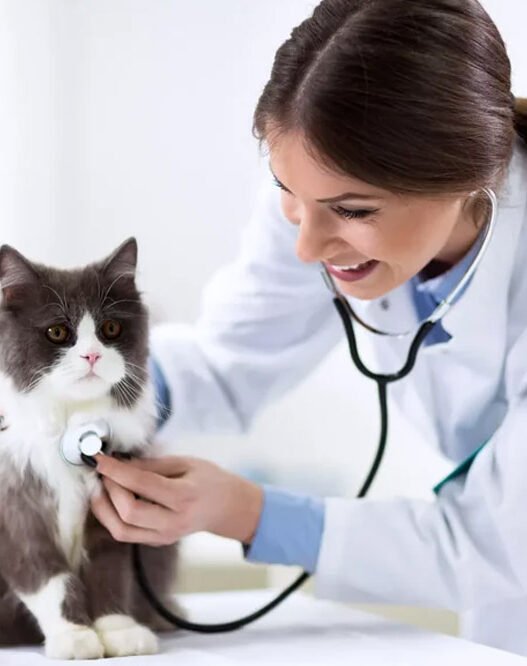
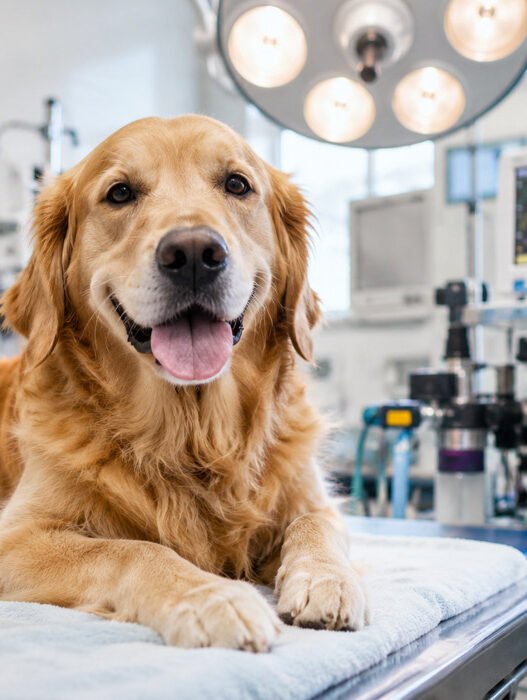
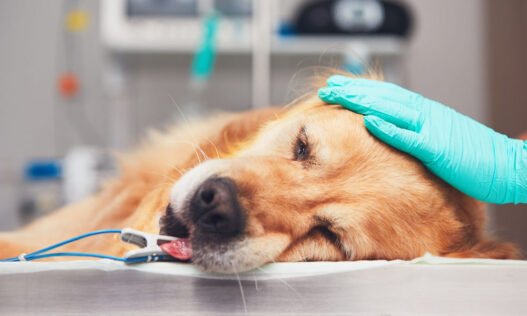
During the procedure, monitoring is constant. A trained technician or nurse tracks heart rate, breathing, blood pressure, oxygen levels, and depth of anesthesia. Equipment like pulse oximeters and blood pressure monitors help catch small changes early, so the team can adjust gas levels, fluids, or drugs before those changes become dangerous. This is the heart of safe animal anesthesia.
Recovery is not an afterthought. The period after the procedure, when your pet is waking up, carries its own risks. Careful warming, pain control, and quiet observation help avoid problems like low body temperature, rough recoveries, or unnoticed bleeding. Your pet is not simply “parked” in a cage until fully awake. They are watched, reassessed, and kept as comfortable as possible.
If you have a cat, you might wonder if anesthesia is different for them. Cats often have unique sensitivities, so careful dosing and monitoring matter even more. The Cornell Feline Health Center offers helpful guidance on anesthesia in cats and what owners should know, which can give you more peace of mind.
What are the real risks and benefits, and how can I weigh them?
Hearing that anesthesia is “very safe” can feel vague. You might want something more concrete. While exact numbers vary, studies suggest that the risk of death under anesthesia in healthy dogs and cats is low, especially in well monitored settings. Pets with serious illness have a higher risk, but that risk can often be reduced with tailored plans and extra monitoring.
The benefit side is often clearer. Anesthesia allows pain free surgery, thorough dental work, advanced imaging, and many other procedures that protect long term health. The emotional benefit is quieter but real. You are not watching your pet suffer through something painful or frightening. They are asleep, and with good pain control, they wake up with less discomfort than you might imagine.
So how can you compare the tradeoffs. One helpful way is to look at the key questions you can ask and what each answer means for your decision.
| Question to ask your veterinary team | What a reassuring answer might include | What you can do as the owner |
| How will you assess if my pet is safe for anesthesia | Physical exam, recent blood work, possible imaging, discussion of any heart, kidney, or liver concerns | Share full medical history, mention any past reactions to drugs, follow pre op instructions |
| Who will be monitoring my pet during the procedure | A dedicated technician or nurse focused on monitoring throughout, with clear training in anesthesia | Ask about staff training and monitoring equipment, choose a clinic that prioritizes this |
| What monitoring equipment do you use | Pulse oximeter, blood pressure, ECG when indicated, temperature monitoring, IV fluids when appropriate | Ask how often they record values, and how they respond to changes |
| How do you manage pain before, during, and after | Use of multimodal pain control, tailored to the procedure and your pet’s health | Ask what to watch for at home and how to give any prescribed medications |
| What is my pet’s specific risk level | Honest explanation of risk based on age, health, and procedure type, not just “it’s routine” | Use this to weigh urgency of the procedure versus possible delay or additional testing |
Seeing these pieces laid out can help shift the question from “Is anesthesia safe” to “Is anesthesia well planned and well monitored for my individual pet.” That is a question you can actively influence.
What can I do right now to make anesthesia safer for my pet?
You do not control the drugs, machines, or surgical technique. You do control information, preparation, and follow through. A few focused actions can meaningfully support safe veterinary anesthesia for your dog or cat.
- Share every detail of your pet’s health and behavior
Tell your veterinarian about coughing, exercise intolerance, changes in drinking or urination, past reactions to medications, or any fainting or collapse. Mention supplements and over the counter products, not just prescriptions. Even details that seem minor can change the anesthetic plan or trigger extra monitoring.
If your pet has had anesthesia before, describe how they woke up. Were they restless, very slow to recover, or nauseated. This history gives the team clues about which drugs or doses to adjust.
- Follow pre and post anesthesia instructions carefully
Fasting instructions are not suggestions. They are designed to lower the risk of vomiting and aspiration during anesthesia. If your pet accidentally eats, say so. The team may adjust the plan or reschedule rather than increase risk silently.
After the procedure, the way you manage rest, activity, and medications at home affects recovery. Give pain medications exactly as directed. Use any cones or protective gear, even if your pet dislikes them. Watch for signs of trouble such as heavy panting at rest, pale gums, vomiting, or extreme lethargy, and call the Cat And Dog Animal Hospital if anything feels off.
- Ask direct questions about safety and monitoring
It is not rude to ask about safety. Clear questions show that you are engaged and that you value your pet’s well being. You might say, “Who will be watching my pet during anesthesia” or “What will you do if my pet’s blood pressure drops.” A good team will answer without defensiveness and will explain their safety protocols in plain language.
If something in the plan worries you, say so. Ask if there are alternatives, such as additional blood work, a different day when a senior clinician is available, or a different pain management approach if your pet has a sensitive stomach.
Finding your footing when your pet needs anesthesia
Needing anesthesia can turn an ordinary vet visit into something heavy. You may feel guilty for signing the consent form, even though you know the procedure is needed. You may feel powerless as you walk out without your pet beside you.
You are not powerless. By understanding how veterinary anesthesiology supports safe procedures, asking thoughtful questions, and partnering closely with your care team, you are already lowering risk and increasing comfort for your pet. You are choosing treatment over quiet suffering. You are choosing informed trust over blind fear.
When the time comes, take a breath, review your questions, and remember why you are doing this. You are giving your pet a chance at less pain, better function, and more good days with you. That is a hard choice, and it is also a loving one.