You bring your pet home after surgery, set up the blankets, check the incision, and try to follow every instruction exactly. That first stretch can feel harder than the procedure itself. Your dog wants to move before the body is ready. Your cat hides, stops eating, or seems sore in ways that are hard to read. You are watching every step, every breath, every small change, wondering what is normal and what is not. If you need guidance, a veterinarian in Louisville, KY can help you understand what to expect during recovery.
That is where animal hospitals matter most. Surgery is only one part of recovery. Healing depends on pain control, movement, wound care, nutrition, and careful monitoring over time. Post operative rehabilitation for pets gives your animal a better shot at regaining strength, comfort, and function without avoidable setbacks.
Post Surgery Rehabilitation Protects the Work Surgery Already Did
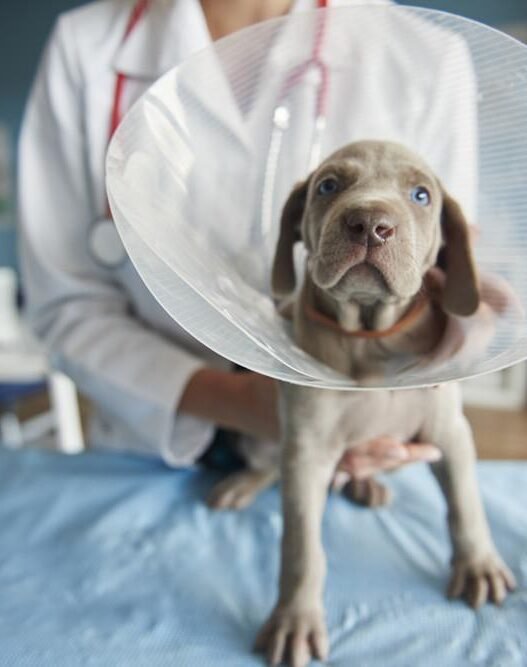
A successful operation can still lead to a rough recovery if rehab is delayed or too limited. Muscles weaken fast after rest. Joints get stiff. Swelling can change how a pet bears weight, and once a pet starts compensating, the whole body can get involved. A dog recovering from knee surgery may put too much strain on the other leg. A cat healing after fracture repair may avoid the litter box because climbing hurts. What starts as guarding one sore area can turn into a broader problem.
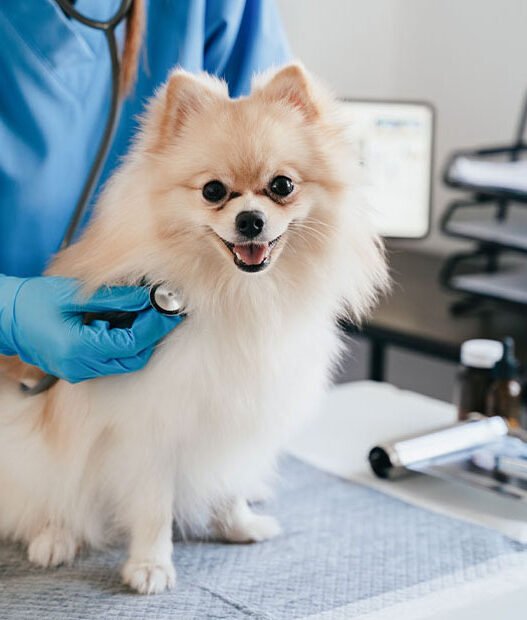
An animal hospital can catch these patterns early. The team is not only looking at the incision or X rays. They are looking at gait, pain signals, range of motion, swelling, and behavior. That wider view matters because pets do not explain discomfort in words. They show it by limping, resisting stairs, sleeping more, snapping when touched, or losing interest in food and play.
Rehabilitation in a hospital setting also gives structure to recovery. That structure is often what owners need most. Home care instructions can sound simple on paper, but real life is messy. Your dog slips the leash and lunges at a squirrel. Your cat jumps onto a counter when you turn away for two seconds. A rehab team helps adjust the plan when recovery does not go in a straight line.
Animal Hospital Rehabilitation Combines Medical Oversight With Safe Movement
Rest alone is rarely enough. Pets need controlled activity at the right time and in the right amount. Too much movement can disrupt healing. Too little can slow it. Animal hospitals are built to manage that balance.
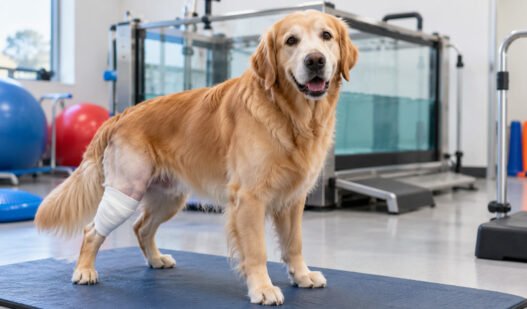
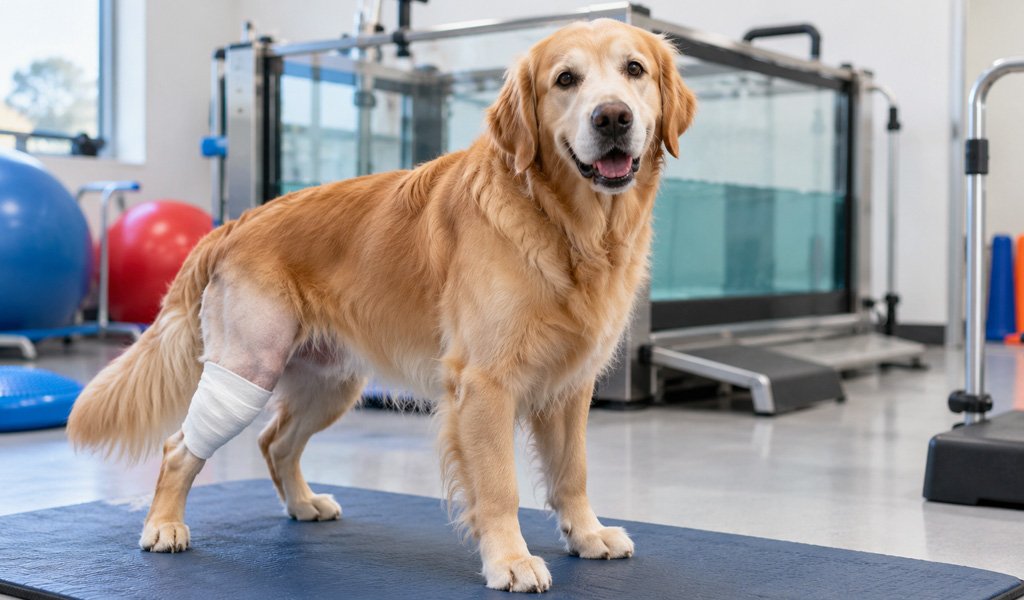
Many hospitals offer targeted therapies such as therapeutic exercise, underwater treadmill work, manual therapy, and pain management plans. Virginia Tech’s veterinary rehabilitation service outlines how rehab can support recovery after orthopedic surgery, neurologic injury, and other serious conditions. The goal is not simply activity. The goal is safe, measured progress.
That medical supervision matters when complications are possible. If swelling increases, if an incision looks irritated, if a pet refuses to bear weight, a hospital team can respond quickly. A home only plan cannot offer the same level of monitoring. You may notice something is off, but you may not know whether it means normal soreness, a setback, or an urgent problem.
This is also where cost concerns get complicated. Some owners hesitate because rehab sounds like an added expense after an already expensive surgery. The harder truth is that poor recovery can cost more. Reinjury, chronic pain, extra medications, delayed healing, and repeat visits often become more expensive than guided rehab. Paying for support early can reduce the chance of paying for complications later.
Veterinary Post Surgical Recovery Works Best With Clear Benchmarks
Good rehab is not vague. It has goals. A pet should be reassessed regularly for pain, strength, comfort, and function. Ohio State’s sports medicine and rehabilitation program describes services aimed at restoring mobility and helping animals return to daily activity with less pain and better body use. That kind of planning helps owners know what progress should look like week by week.
Benchmarks also protect against false reassurance. A pet may look brighter at home and still be healing poorly. Some animals hide pain well, especially when they are excited to see you. Others seem dramatic one day and normal the next. Hospital based rehab uses repeat exams and treatment plans instead of guesswork. That is one reason pet surgery recovery support is stronger in a clinical setting than in a home only approach.
Home Care and Animal Hospital Rehab Are Not Equal Options
| Recovery Approach | Benefits | Risks or Limits |
| Home rest only | Lower upfront cost, familiar setting, less travel stress | Missed pain signs, poor leash control, muscle loss, stiffness, delayed return to function |
| Home care with periodic surgical rechecks | Basic monitoring, incision review, medication updates | Less focus on strength and mobility, problems may develop between visits |
| Animal hospital rehabilitation | Medical oversight, tailored exercise, pain management, earlier detection of setbacks, better mobility support | Higher upfront cost, scheduling and transport required |
For many pets, the best plan is not one or the other. It is hospital guided rehab paired with disciplined home care. The hospital builds the strategy. You carry it out every day. That partnership is often what gets a pet from “he had surgery” to “he can live normally again.”
Three Steps That Help Right Away
Get a rehab plan before problems show up. Ask the surgical team what recovery should look like in the first two weeks, the first month, and beyond. If rehab is recommended, start early. Waiting until your pet has obvious weakness or stiffness can make recovery longer.
Track what your pet is actually doing. Write down appetite, bathroom habits, medication times, walking tolerance, and any changes in swelling or mood. A short daily note is often more useful than memory. Patterns become easier to spot, and your veterinary team can make better decisions.
Set up the home like recovery matters. Use rugs for traction, block stairs if needed, keep food and water easy to reach, and follow crate or room restriction instructions closely. Most setbacks happen during ordinary moments, not dramatic ones.
Recovery Is Safer When You Do Not Have To Guess
Your pet does not need perfect conditions. Your pet needs a recovery plan that respects how fragile the post surgery period can be. Animal hospitals are crucial in post surgery rehabilitation because they do more than treat the operation. They help protect healing, restore movement, and catch trouble before it grows.
If your pet is facing surgery or trying to recover from it now, ask about rehabilitation through an animal hospital. Clear guidance, close monitoring, and the right therapy can make the road back steadier for both of you.