
You might be looking in the mirror, noticing that your smile does not quite match how you feel inside. Maybe your teeth look small, or your gums seem uneven, and you are wondering if you are being “too picky” or if there is actually something that can be done. With cosmetic dentistry in Weston, MA, there are modern, conservative options that can help your smile reflect how you truly feel. It can feel shallow to worry about your smile, yet every photo, every meeting, every laugh reminds you of it.end
Because of this tension, you might be asking yourself if cosmetic gum contouring is worth considering, or if it is painful, risky, or only for people chasing a “perfect” Hollywood smile. You may also be trying to balance your own needs with the needs of your family, since you probably see a general and cosmetic dentist who treats everyone in the household.
Here is the short version. Cosmetic gum contouring is a focused procedure that reshapes the gumline so your teeth and gums look more balanced. It can be done safely in a family dental practice, it often improves oral health as well as appearance, and it is usually more comfortable and straightforward than people expect. The rest of this page will walk you through the three key things to know, so you can decide with a calm, clear head instead of anxious guesswork.
What exactly is cosmetic gum contouring, and is a family dentist the right place for it?
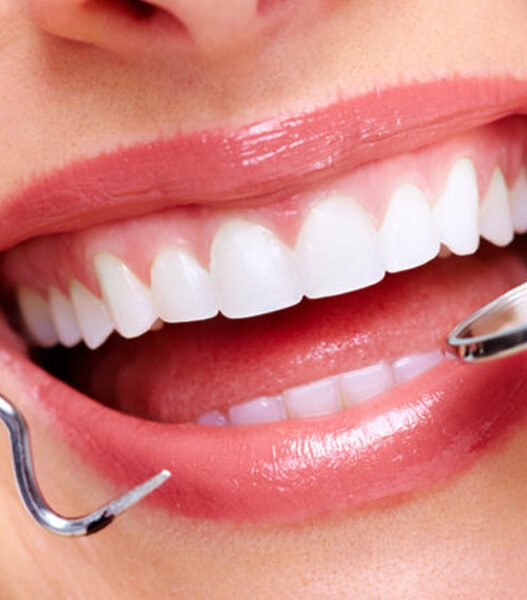
Cosmetic gum contouring, sometimes called gum reshaping treatment, is a procedure that gently removes or sculpts small amounts of gum tissue so your teeth look more proportionate and your smile line is smoother. Many people call it fixing a “gummy smile.” Others use it to correct one or two teeth that look shorter because the gum sits lower on them.
The problem is that when you only see the “after” photos online, it is easy to assume this is extreme cosmetic work. You might picture long, invasive surgery, a long recovery, and a big bill. That fear alone can keep you from even asking your dentist about it.
In reality, many general and cosmetic dentists in family practices perform cosmetic gum contouring as part of everyday care. They already manage your cleanings, fillings, and sometimes more advanced procedures. They are also trained to watch how your gums respond to treatments over time, which is important because gum health and gum appearance are closely linked.
You might wonder whether it is safe to adjust the gums at all. Research on periodontal and peri‑implant plastic surgery shows how carefully managed gum procedures can improve both function and appearance. For example, studies on soft tissue management around implants describe how shaping gum tissue can protect the underlying structures and support long term health, not just looks. An overview of that kind of work can be seen in this clinical review on soft tissue enhancement.
So where does that leave you. If you already trust your family dentist and they provide general and cosmetic services, there is a good chance they can either perform cosmetic gum contouring themselves or coordinate it with a specialist they know well. Either way, you stay within a familiar, family centered setting.
How does gum contouring affect comfort, healing, and your overall oral health?
Once you realize the procedure is possible in a family practice, the next concern is usually pain, healing time, and what happens if something goes wrong. Those are fair questions. Your mouth is sensitive, and you may already be dealing with anxiety about dental treatment.
Modern gum contouring is usually done with local anesthesia, so you feel pressure but not sharp pain during the procedure. Some dentists use lasers, others use traditional instruments, and some use a combination. Lasers can reduce bleeding and shorten healing time for some patients, which can be reassuring if you are juggling work, kids, or other responsibilities.
Healing is often quicker than expected. Many people return to normal routines within a day or two, with mild soreness that is managed by over the counter pain medicine. The dentist typically provides guidance on brushing, rinsing, and eating softer foods for a short period. These instructions are not just for comfort. They protect the gum tissue as it heals and help prevent infection.
Beyond appearance, gum contouring can sometimes improve oral health. Excess gum tissue can create small pockets where plaque builds up, which can eventually irritate the gums. The Veterans Health Library describes how chronic plaque buildup can lead to gum disease, which in turn affects bone and tooth stability. You can read more about gum disease and its impact on health in this gum disease overview.
By reshaping overgrown or uneven tissues in a controlled way, your dentist may make it easier to keep your gums clean. That does not mean cosmetic gum contouring replaces proper periodontal treatment, but in some cases it can support better long term maintenance.
The emotional side should not be ignored either. When you are self conscious about your gums, you may hide your smile or avoid social situations. That affects confidence at work, in relationships, and in everyday conversations. Many patients say that once their gumline looks more balanced, they finally feel that their smile matches their personality. That emotional relief is hard to measure, yet it matters a lot.
How do the benefits and risks of cosmetic gum contouring compare in real life?
It is one thing to hear that a procedure is “safe and effective,” and another thing to see what that means for everyday life. A simple comparison can help you weigh whether cosmetic gum contouring in a family dental office fits your situation or whether you should wait, choose a different approach, or get a second opinion.
| Aspect | Potential Benefits | Potential Risks or Tradeoffs |
| Appearance | More balanced gumline, teeth look longer and more even, smile matches how you feel | Results depend on your anatomy and healing, expectations may need to be adjusted |
| Comfort & Recovery | Local anesthesia during treatment, many patients back to routine in 1 to 2 days | Temporary soreness or swelling, rare infection if aftercare is not followed |
| Oral Health | Can reduce hard to clean areas around teeth, may support easier hygiene | If gums are thinned too much, there is a risk of sensitivity or recession over time |
| Cost & Access | Done in a familiar family practice, sometimes combined with other treatments | Often not fully covered by insurance if labeled “cosmetic,” out of pocket costs vary |
| Emotional Impact | Greater confidence in photos, work, and social situations, less urge to hide your smile | Some people feel anxious about any visible change, may need time to adjust to new look |
Seeing the tradeoffs side by side can make the decision feel less abstract. You are not choosing between “perfect” and “terrible.” You are choosing between different sets of benefits and responsibilities, with your own values at the center.
What can you do right now if you are considering gum contouring?
If you are still unsure, that is a good sign. It means you are taking this seriously and respecting your own comfort level. You do not need all the answers today, but you can take a few focused steps that move you from worry to clarity.
- Schedule a low pressure evaluation and be honest about what bothers you
Book a consultation with your general and cosmetic dentist and say upfront that you want to talk about your gumline. Bring photos where you like and dislike your smile. Point out exactly what feels “off” to you. A good dentist will listen first, then explain whether gum contouring, orthodontics, whitening, or even simple cleaning could help. You can ask to see before and after photos of similar cases in their practice so you know what is realistic.
- Ask specific questions about technique, healing, and cost
Instead of asking “Is this safe,” break it down. Ask which method they use, how long the procedure typically takes, what most patients feel during the first 24 to 48 hours, and what happens if you experience unexpected pain or bleeding. On the financial side, ask for a written estimate that separates cosmetic work from any medically necessary periodontal care, and ask whether any part may be covered by your plan.
- Give yourself time to decide and include your family in the conversation
You do not need to say yes in the chair. Take the information home. Talk about it with a partner or trusted friend. If your children also see the same dentist, you might think about timing, so appointments do not all fall in the same week. If you tend to get anxious, consider planning your gum contouring visit at a time when life is a bit quieter, with a light day afterward so you can rest if needed.
Moving forward with more confidence about your smile
You are not being shallow for caring about how your gums and teeth look. You are simply noticing that your smile affects how you move through the world. Understanding these three key points about cosmetic gum contouring in a family dental setting can help you replace vague fear with informed choice.
Whether you decide to move ahead soon, wait, or explore other options, you deserve clear information, gentle care, and a dentist who treats you like a person, not a set of teeth. Use what you have learned here as a starting point for a thoughtful conversation with your dental team, so your next step toward a more confident smile feels steady, not rushed.