You might be feeling a mix of embarrassment, frustration, and worry every time you see that gap in your smile. Maybe you cover your mouth when you laugh. Maybe you avoid certain foods because chewing on that side feels off or even painful. A visit to a Sioux Falls dentist can help you understand your options and start feeling more confident about your smile again. What started as “just one missing tooth” can begin to affect how you speak, how you eat, and how you feel about yourself when you look in the mirror.end
If that sounds familiar, you are not alone. Tooth loss is common, and it is not a personal failure. Life happens. Cavities, gum disease, accidents, or old dental work can all lead to missing teeth. The good news is that modern restorative dentistry options are more comfortable, natural looking, and long lasting than many people realize. In simple terms, you have four main paths to replace missing teeth. Dental implants, dental bridges, partial dentures, and full dentures.
So where does that leave you right now. You want to feel confident smiling and eating again, but you are unsure which option fits your health, your budget, and your lifestyle. This guide walks through each choice in plain language, explains the trade offs, and gives you a clear starting point for a conversation with a dentist you trust.
Why does one missing tooth create such a big ripple in your life?
When a tooth goes missing, it is easy to focus on the gap you can see. The deeper impact is what you feel over time. You might notice your bite changing, or food packing into spaces more than before. You might avoid social events that involve eating, or you may feel older than you actually are because your smile no longer matches how you feel inside.
There is also a quiet, hidden problem. When a tooth is lost, the bone in that area no longer has the daily pressure from chewing. The body begins to resorb, or shrink, that bone. Over months and years, this can change the shape of your jaw and face. Cheeks can look more sunken. Dentures may become loose more often. Other teeth can start to tilt or shift into the empty space, which can trigger more wear, more plaque build up, and sometimes more tooth loss.
Because of all this, you might be thinking, “If I ignore this, is it going to get worse and more expensive later.” The honest answer is often yes. Leaving spaces can create bigger problems. The encouraging news is that replacing teeth, whether with tooth replacement options like implants, bridges, or dentures, can steady the situation and help you protect what you still have.
What are your 4 main restorative options to replace missing teeth?
Each option comes with its own balance of comfort, cost, and maintenance. There is no single “right” answer for everyone. The right choice is the one that fits your mouth, your health, and your life.
1. Dental implants for a long term, fixed solution
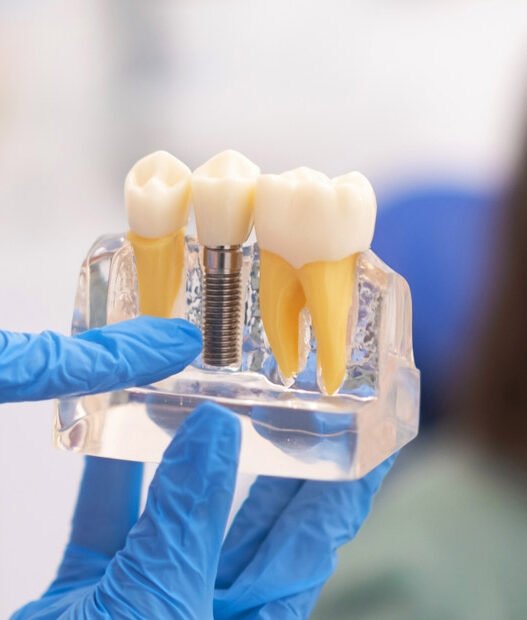
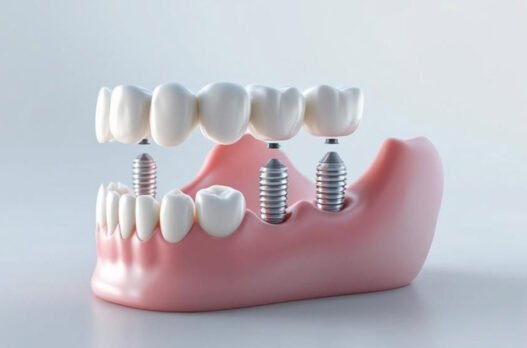
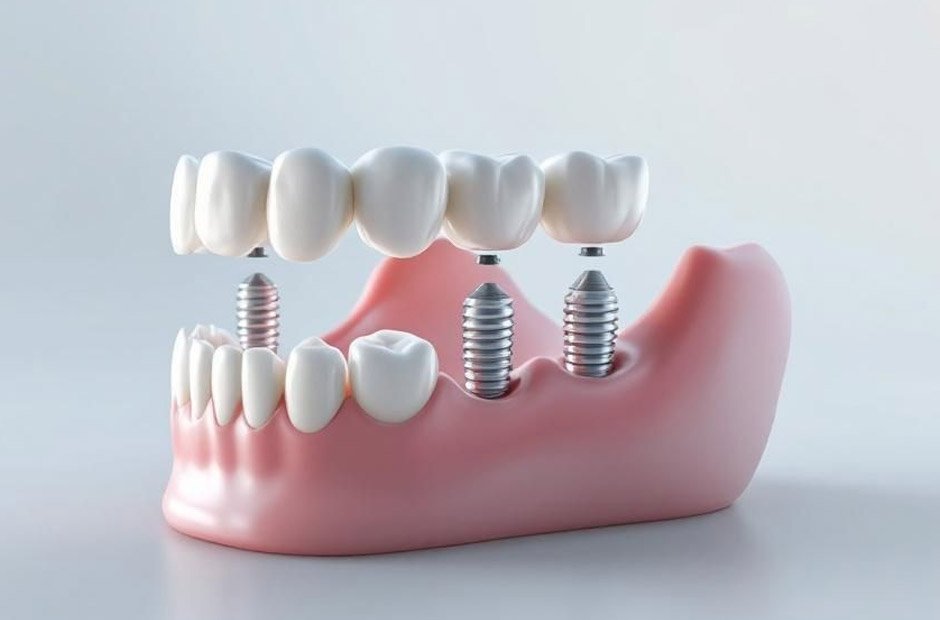
Dental implants are small titanium posts that are gently placed into the jawbone where the tooth root used to be. Over time, the bone bonds with the implant. Once healed, a crown, bridge, or denture can attach to that implant. The result feels very close to a natural tooth when you chew, speak, and smile.
Many people like implants because they are fixed in place. You do not remove them at night, and you can often eat most foods with confidence. Implants also help maintain bone in the jaw, which can support your facial structure over time. They usually cost more up front than other options, and they require enough healthy bone and good general health to be successful. Healing can take a few months, so this is not an instant fix, but it is often a strong long term solution.
If you want more background on safety, parts, and what to expect, the U.S. Food and Drug Administration offers clear information on what you should know about dental implants.
2. Dental bridges to fill a gap using neighboring teeth
A dental bridge uses the teeth next to a gap as supports. Those neighboring teeth are shaped for crowns, and a false tooth, called a pontic, is attached between them. The whole unit is cemented in place. It “bridges” the empty space.
Bridges can be a good choice if the nearby teeth already need crowns or have large fillings. They are fixed in place, so you do not remove them, and they usually feel secure when chewing. The trade off is that the supporting teeth must be prepared, which means healthy tooth structure is removed. Also, the bone under the missing tooth area does not get the same support as with an implant, so some bone loss in that spot can still occur over time.
3. Partial dentures when you are missing several teeth but not all
Partial dentures are removable appliances that replace multiple missing teeth in the same arch while using some of your natural teeth for support. They usually have a metal or flexible base, artificial teeth, and small clasps that hold onto existing teeth.
People often choose partials when they are missing several teeth spread across the mouth, or when implants or bridges are not a good fit medically or financially. A partial can restore your smile and chewing ability at a lower cost than replacing each gap with separate implants or bridges. The tradeoffs. They can feel bulkier. They may move a little when you speak or eat until you get used to them. They also need to be removed at night and cleaned carefully.
4. Full dentures when all teeth in an arch are missing
Full dentures replace all the teeth in the upper jaw, lower jaw, or both. They rest on the gums and are custom shaped to fit your mouth. Some people picture older, awkward dentures, but modern designs can look natural and fit more comfortably.
Full dentures can restore the look of a complete smile and give you back the ability to chew many foods, though you may still need to adjust how and what you eat. They are usually the most cost accessible way to replace a full arch of missing teeth. They do require daily removal and cleaning, and the fit can change over time as the jawbone continues to resorb. Some people choose to support dentures with a few implants to improve stability.
If you want detailed guidance on care, fit, and expectations, the American Dental Association has a helpful resource on dentures and how to live with them.
How do these tooth replacement options compare in real life?
When you are already stressed, sorting through technical details can feel overwhelming. It often helps to see the options side by side so you can start to picture what might fit your daily life.
| Option | Typical use | Fixed or removable | Impact on bone | Approximate longevity with good care | General cost level |
| Dental implant with crown | Single or several missing teeth | Fixed | Helps maintain bone in that area | 10+ years, often much longer | Higher |
| Dental bridge | One or a few teeth missing in a row | Fixed | No direct support for bone under the gap | 7 to 10 years on average | Medium to higher |
| Partial denture | Several missing teeth with others remaining | Removable | Some bone loss under missing areas over time | 5 to 10 years, often with adjustments | Lower to medium |
| Full denture | All teeth missing in an arch | Removable, can be implant supported | Ongoing bone loss unless implants are used | 5 to 10 years, may need relines | Lower per arch |
These are general ranges, not promises. Your health, your oral hygiene, and regular dental visits affect how long any general, cosmetic, and restorative dentistry solution will last. A careful exam and honest discussion with a dentist are the best way to match these options to your specific situation.
What can you do right now to move toward a healthier, more confident smile?
When you are weighing different restorative dentistry options to replace missing teeth, it is easy to feel stuck. Breaking it into simple steps can help you move from worry to action.
- Get a thorough evaluation and ask direct questions
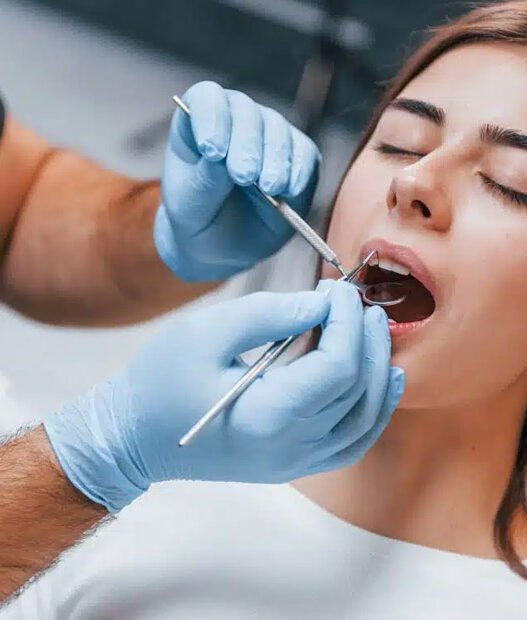
Schedule a visit focused only on planning. Ask for a full exam, including X rays, gum health assessment, and a review of your medical history. Bring a list of questions. For example. Which teeth are at risk if I do nothing. Am I a candidate for implants. What are the pros and cons of a bridge versus a partial denture in my case. A good dentist will explain your options in plain language and will not pressure you into the most expensive choice.
- Match the treatment to your priorities and budget
Be honest with yourself about what matters most. Is your top concern long term durability, lowest upfront cost, avoiding surgery, or keeping treatment as simple as possible. There is no wrong answer. Share these priorities with your dentist. Ask for at least two treatment paths when possible. For example, an “ideal plan” that may include implants, and a “phased plan” that starts with a partial denture or bridge and leaves room for implants later.
- Protect the teeth and gums you still have
While you are deciding on replacement options, focus on keeping your remaining teeth and gums as healthy as you can. Brush twice daily with fluoride toothpaste. Clean between your teeth every day with floss or interdental brushes. Rinse with an antibacterial mouthwash if your dentist recommends it. Stick to regular cleanings and checkups. This care will support whatever treatment you choose and can prevent more tooth loss in the future.
Finding peace with your decision and taking the next step
Missing teeth can make you feel older, self conscious, and even ashamed, yet you deserve a smile that feels like you. Modern dentistry offers real, practical solutions. Whether you choose implants, a bridge, partial dentures, or full dentures, you are not just filling spaces. You are reclaiming comfort, confidence, and ease in daily life.
You do not have to figure it all out alone. Reach out to a trusted dental professional, bring your questions and worries, and ask them to walk you through your choices step by step. With the right guidance and the right tooth replacement plan, you can move from avoiding the mirror to smiling without thinking twice.