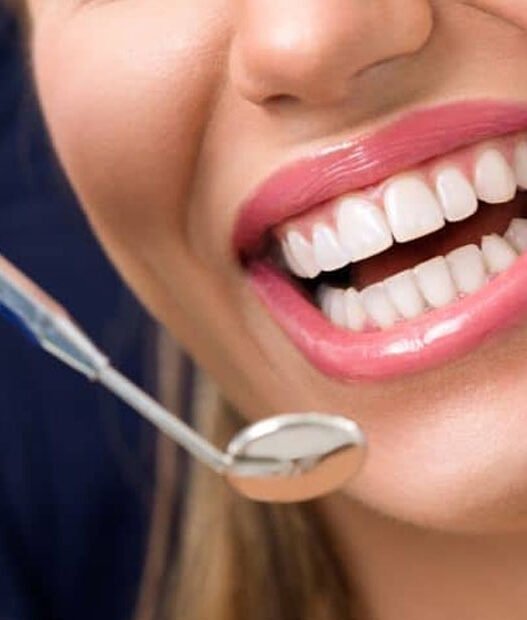

Healthy teeth protect more than your smile. They protect your speech, your confidence, and the way you eat every single day. When you care for your mouth early, you protect your children and even your grandchildren. You break painful cycles of tooth loss, infection, and high dental bills. You also avoid the quiet stress that comes from hiding your teeth. A Calcutta dentist once said that every checkup is a small shield for the next generation. That simple idea is true. Preventive dentistry starts with you brushing, flossing, and seeing your dentist on a regular schedule. It also includes cleanings, simple X rays, and sealants for children. Each step blocks decay before it grows. Each step keeps gums firm and steady. When you protect your mouth today, you give your family a strong pattern to follow. You pass down comfort instead of fear.
How Tooth Decay Starts And Why It Spreads In Families
Tooth decay starts with germs that feed on sugar. They create acid that eats away the hard outer shell of your teeth. Over time small weak spots turn into holes. These holes hurt. They also trap more food and germs.
Decay spreads in families for three main reasons.
- Shared eating habits such as sugary drinks and snacks
- Shared routines such as skipping nightly brushing
- Shared access to care, such as missing cleanings for years
When you change these patterns for yourself, you change them for your children. You stop the quiet passing of pain from one generation to the next.
Daily Habits That Guard Your Mouth
Preventive care starts at home. Simple habits give strong protection when you use them every day.
- Brush twice a day with fluoride toothpaste
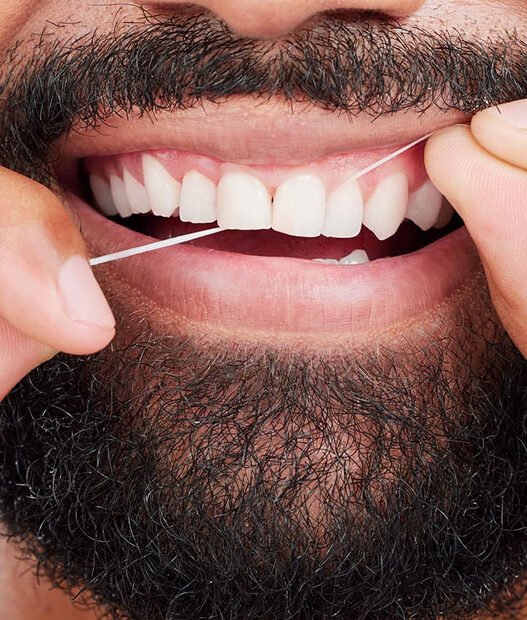
- Floss once a day to clean between teeth
- Drink water instead of sweet drinks most of the time
- Limit sticky snacks that cling to teeth
- Do not smoke or use any tobacco
The Centers for Disease Control and Prevention explains that fluoride protects teeth by making the outer shell harder. Public water systems often add fluoride for this reason. When you drink tap water, you give your teeth a small shield many times a day.
Why Regular Checkups Matter More Than You Think
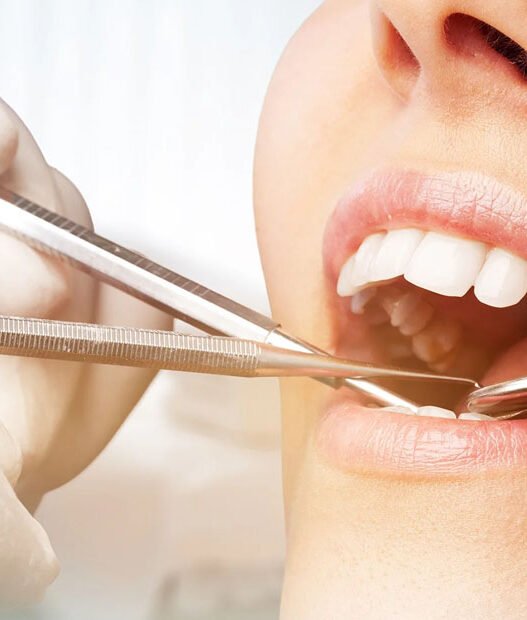
Checkups do more than clean your teeth. Your dental team looks for early signs of decay and gum disease. They also check your mouth for signs of cancer and infection. Many problems start small. You may not feel pain. You may not see a change in the mirror. A trained eye can catch trouble early.
When problems are found early, the fix is simpler. A small cavity may need only a tiny filling. A small patch of gum swelling may clear with better cleaning and a follow-up visit. When you wait, the same problems can grow into root canals, extractions, or surgery. That means more cost, more time, and more stress.
Preventive Care For Children And Teens
Children learn from what you do. When you treat checkups as routine, your child sees them as normal. When you only go in pain your child links the dentist with fear.
Key steps for growing mouths include three things.
- First dental visit by age one or within six months of the first tooth
- Fluoride varnish on baby and adult teeth when needed
- Sealants on back teeth to block decay in deep grooves
The National Institute of Dental and Craniofacial Research reports that sealants can cut decay in back teeth by up to half in children. That means fewer fillings, fewer missed school days, and fewer late-night toothaches.
How Preventive Dentistry Saves Money And Time
Preventive visits cost money. Still, they often cost much less than the treatment you avoid. They also save time away from work and school. The table below shows a simple comparison of common services. Exact costs vary by location and coverage. The pattern stays clear. Early care costs less and hurts less.
| Type of care | Typical purpose | Relative cost | Typical visits needed
|
| Routine exam and cleaning | Prevent decay and gum disease | Low | 1 visit every 6 months |
| Fluoride treatment | Strengthen tooth enamel | Low | Added to regular visit |
| Sealant on a child’s molar | Block decay in deep grooves | Low to moderate | 1 quick visit per tooth group |
| Small filling | Repair early cavity | Moderate | 1 visit |
| Root canal and crown | Save a badly decayed tooth | High | 2 or more visits |
| Tooth extraction and replacement | Remove tooth that cannot be saved | High to very high | Multiple visits over months |
Gum Health And Whole Body Health
Gum disease starts with red or tender gums that bleed when you brush. Many people ignore this. They think a little blood is normal. It is not. Early gum disease can lead to loose teeth and tooth loss. It can also link with heart disease and diabetes.
By keeping gums clean and firm, you protect more than your mouth. You lower the strain on your body. You also keep chewing easily so you can enjoy healthy foods that support strong bones and muscles.
Passing Down Strong Habits
Your children watch how you treat your teeth. When you brush at the same time each morning and night, they see a clear rule. When you keep your checkup appointments, they learn that care is not something you skip.
You can build a simple family plan.
- Pick the same two times each day for brushing
- Use a small chart on the fridge for younger children
- Set reminders for checkups every six months
Each small choice adds up over the years. You may never see the cavities that never form. Your children will feel the difference when they grow up without fear of the dentist chair.
Taking The Next Step Today
You do not need a perfect record to start. You may have missed cleanings or needed many fillings. You may feel shame or worry. You can still change the story for yourself and your family.
Start with three moves. Call for a checkup. Drink tap water instead of a sweet drink once today. Brush with care tonight and clean between your teeth. These simple acts send a strong message to your body and to the next generation. Your smile is worth that effort. So is theirs.