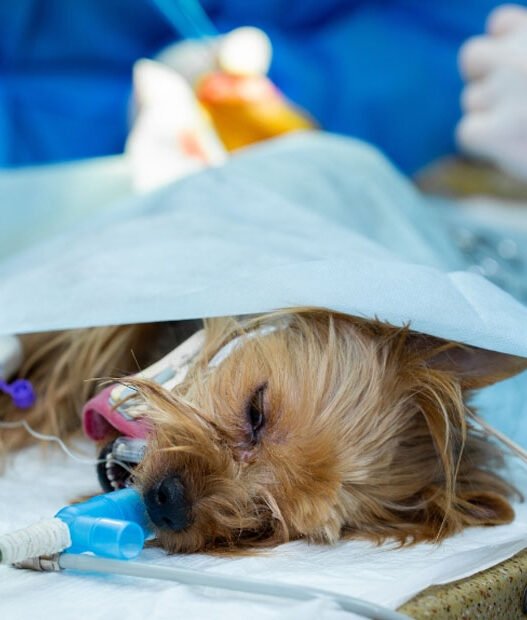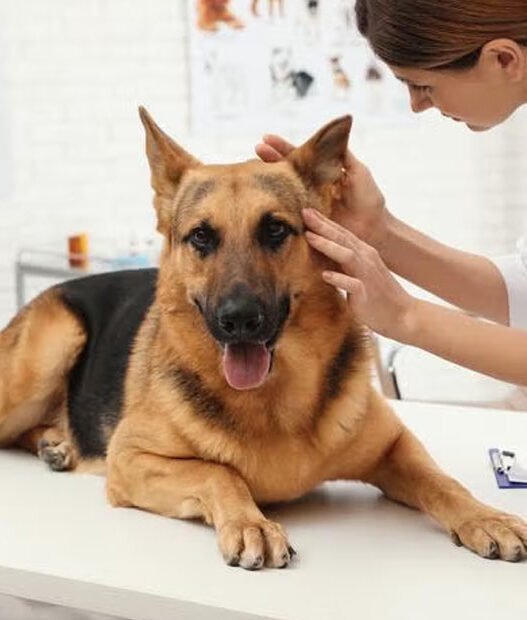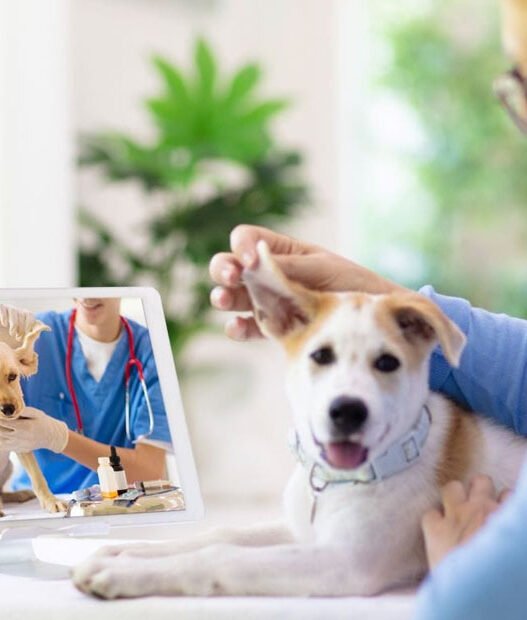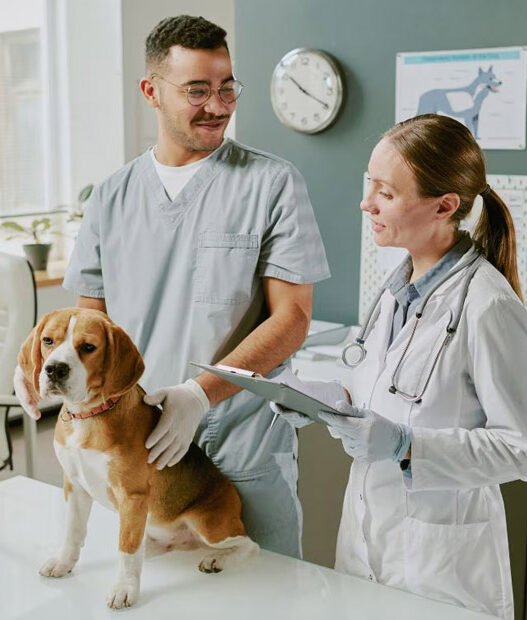
When your pet is sick, every minute feels heavy. You want clear answers, fast. In house labs at veterinary hospitals give you that speed. You get test results while you wait. You see a treatment plan start the same day. You watch your pet get help without delay.
This blog explains 3 key advantages of in house labs and why they matter to you. First, you see how quick testing supports urgent care. Second, you learn how close lab teams catch small changes that outside labs may miss. Third, you understand how direct control over samples protects accuracy and trust.
If you work with a veterinarian in Lakeland or any other city, these same principles apply. You deserve straight answers about your pet’s health. You also deserve care that feels human and precise. In house labs help your veterinary team give you both.
1. Faster Answers When Every Hour Counts
Time shapes outcomes for many pet illnesses. Fast testing often means stronger recovery. In house labs cut out shipping and waiting. Your pet’s blood, urine, or stool goes straight to trained staff. Results return in one visit.
With this speed, your veterinarian can:
- Confirm or rule out serious disease the same day
- Start medicine, fluids, or pain control without pause
- Adjust the plan if your pet worsens during the visit
This quick cycle protects pets with:
- Internal bleeding
- Severe infection
- Kidney or liver failure
- Uncontrolled diabetes
The U.S. Food and Drug Administration Center for Veterinary Medicine explains that early action can reduce suffering. Fast lab access supports that early action. You see less guessing and more clear decisions. That gives you relief during scary visits.
2. Closer Monitoring Of Ongoing Conditions
Many pets live long lives with chronic disease. These include kidney disease, thyroid problems, diabetes, and heart disease. Regular lab tests guide safe care. In house labs make that routine care smoother and more steady.
When your hospital runs tests on site, your veterinarian can:
- Check levels before refilling drugs
- Watch for side effects from long term medicine
- Track small changes from visit to visit
This close watch protects your pet from silent harm. For example, some pain drugs can strain the kidneys. Regular blood work shows if that strain starts. Your veterinarian can then change the dose or switch drugs before damage grows.
The Cornell University College of Veterinary Medicine explains that routine lab work helps catch disease early and guides safe treatment choices. You can read more about common veterinary tests at Cornell Veterinary Diagnostic Services.
3. Greater Control And Trust In Test Quality
In house labs keep your pet’s samples in one place. Your veterinary team handles each step. That tight control builds trust. It also cuts common sources of error that can come with shipping.
When labs are on site, the team can:
- Check sample quality right away
- Repeat a test at once if something looks strange
- Match results with what they see during the exam
This link between the exam room and the lab room helps your veterinarian spot mismatches. For example, if the test suggests dehydration but your pet looks well hydrated, they can recheck. That protects your pet from wrong treatment.
Comparison: In House Labs vs Outside Labs
The table below shows common differences you may notice as a pet owner.
Typical Differences Between In House Labs And Outside Labs
| Feature | In House Lab | Outside Lab
|
| Result time for common tests | Minutes to a few hours | One to several days |
| Use during emergencies | Strong for urgent cases | Limited during the same visit |
| Control of samples | Handled only by clinic staff | Handled by shipping and outside staff |
| Ability to repeat tests quickly | Yes, often during the same visit | Needs new shipping and new wait |
| Ideal use | Urgent care and routine checks | Special or rare tests |
Both types of labs have value. In house labs shine during urgent visits and routine checks. Outside labs still help with rare or complex tests that need special tools. Your veterinarian often uses both together.
What This Means For Your Family And Your Pet
Pets hold a strong place in family life. When they hurt, your whole home feels it. In house labs help your veterinary team respond with speed, clarity, and control. You spend less time waiting for phone calls. You spend more time moving forward with a clear plan.
You can use this knowledge to ask focused questions:
- Can we run these tests in house today
- When will I know the results
- How will these results change the treatment plan
These short questions open calm, honest talks. They show your veterinarian that you want strong, clear care for your pet. They also help you feel less lost when your pet is sick.
Key Takeaways You Can Act On Today
- Use clinics with in house labs for urgent problems when possible
- Keep up with routine lab work for chronic disease
- Ask how test timing and quality shape your pet’s treatment plan
When your pet needs help, you deserve speed, close watching, and clear trust in the results. In house labs at veterinary hospitals support all three. That means stronger care and more comfort for both you and your pet.