
You might be looking in the mirror and seeing more than just teeth. You see that chip from years ago, the dark filling that shows when you laugh, or the gap that always makes you hesitate in photos. Maybe everything still “works,” yet it does not feel like you when you smile. A family dentist in North San Antonio can help you address those concerns and restore confidence in your smile. That disconnect can be surprisingly heavy.end
If you are in that place, you are not alone. Many people reach a point where they are not just trying to fix a cavity or a broken tooth. They want their mouth to feel healthy and their smile to look natural and confident again. That is where restorative care with a cosmetic focus comes in. In simple terms, there are several treatments that repair damage and also upgrade how your smile looks.
Here is the short version. Modern dentistry gives you options. Veneers can reshape and brighten your front teeth. Tooth colored fillings can replace old metal work. Crowns can rebuild worn or cracked teeth. Dental implants can fill gaps so your smile looks and feels whole again. The right mix depends on your mouth, your budget, and your comfort level.
Why does “just fixing it” often not feel like enough anymore?
Maybe it started with a small cavity, then a filling, then another, and suddenly your mouth feels like a patchwork project. Functionally, you can chew and talk. Emotionally, you are tired of hiding your smile or planning how you angle your face in photos. That tension between “it works” and “it bothers me” can be frustrating.
On top of that, you might worry about cost, time, and whether treatments are safe. You may have heard different opinions from friends or seen conflicting advice online. One person swears by veneers. Another warns you about crowns. Someone else had a bad experience with an implant. So you start to wonder. Is it worth doing anything at all, or should you just live with what you have?
This is where it helps to slow down and look at four main restorative options that also improve the way your smile looks. Each one has a specific role. When you understand what they do, the choices feel less overwhelming.
How can veneers, fillings, crowns, and implants change your smile story?
Think of restorative cosmetic dentistry as a toolbox. Different tools solve different problems. Here are four of the most common treatments that repair teeth and also upgrade appearance.
- Veneers for shape, color, and symmetry
Veneers are thin shells, usually made of porcelain, that cover the front surface of your teeth. They are often used for teeth that are chipped, worn, uneven, or deeply stained. When done thoughtfully, they can change the shape, size, and color of teeth in a very natural way.
If you are curious about how they work and what they look like, the American Dental Association’s MouthHealthy site has a clear overview of veneers and their uses.
- Tooth colored fillings that blend in instead of standing out
Older silver amalgam fillings can be strong, yet they are often dark and noticeable, especially in teeth that show when you smile. Newer materials, such as composite resin, can match the color of your tooth so the repair nearly disappears.
When you have a cavity, there are several choices for how to restore it. The FDA provides a helpful overview of treatment options for dental caries, including different filling materials. This can help you understand what you might want to ask your dentist.
- Crowns to rebuild strength and appearance
Crowns, sometimes called caps, cover the entire visible part of a tooth. They are often used when a tooth is cracked, heavily filled, or weakened after root canal treatment. A crown can restore strength so you can bite and chew with confidence, and it can also correct color and shape.
Crowns today can be made from materials that closely mimic natural enamel. That means a tooth that once felt fragile and looked worn can become a solid, natural looking part of your smile again.
- Dental implants to replace missing teeth beautifully
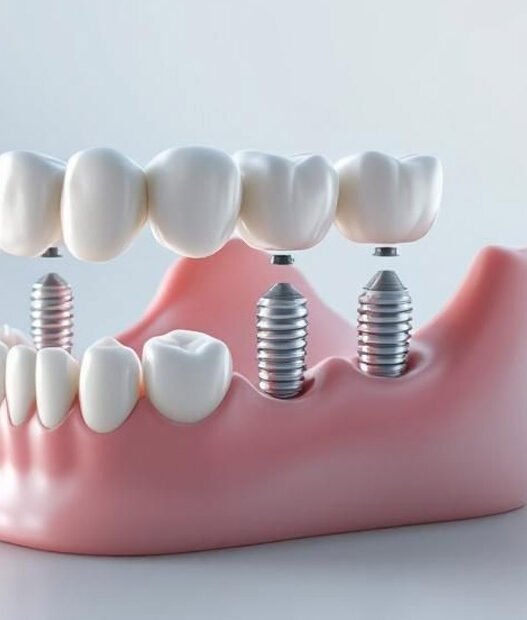
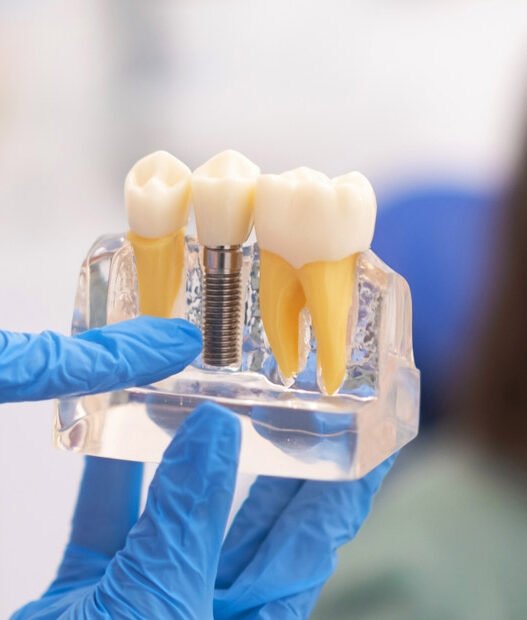
Missing teeth affect more than appearance. They can change how you chew, how you speak, and how your other teeth wear over time. Dental implants act like artificial roots placed in the jaw, which can then support a crown, bridge, or denture. The goal is a replacement that looks, feels, and functions much like a natural tooth.
MedlinePlus has a straightforward summary of what to expect with dental implant surgery and recovery. Reading through it can ease some of the unknowns if you are considering this option.
How do these restorative treatments compare in real life?
You might be wondering how to weigh all of this. Which option is more durable. Which one costs more up front. Which is less invasive. A simple comparison can help frame the conversation you have with your dentist.
| Treatment | Main Purpose | Cosmetic Impact | Typical Longevity* | Common Use Case |
| Veneers | Reshape and resurface front teeth | High. Can change color, shape, and alignment appearance | 10 to 15 years | Chipped, stained, or uneven front teeth |
| Tooth colored fillings | Repair cavities | Moderate to high. Blend with natural tooth | 5 to 10 years | Small to medium cavities or replacing old dark fillings |
| Crowns | Strengthen and protect damaged teeth | High. Can fully change visible tooth appearance | 10 to 15 years | Cracked teeth or teeth with large old fillings |
| Dental implants | Replace missing teeth | High. Fills gaps with natural looking teeth | 15+ years | Single or multiple missing teeth |
*Longevity varies by oral hygiene, bite forces, and regular dental care.
This comparison is not meant to push you toward one answer. It is meant to give you language and context, so when you talk about cosmetic restorative dentistry you can be clear about what matters most to you. Is it durability. Is it cost. Is it how quickly you see a change in your smile.
What can you do right now to move toward a healthier, better looking smile?
You do not have to figure everything out at once. A few focused steps can bring a lot of clarity.
- Get clear on what actually bothers you
Before you talk to any dentist, take a quiet moment and write down what you want to change. Is it specific teeth. Is it color. Is it gaps. Is it old metal fillings. Try to rank your concerns from “must fix” to “nice to fix.” This simple list will keep you centered when options start coming at you.
- Ask your dentist for both a functional and cosmetic plan
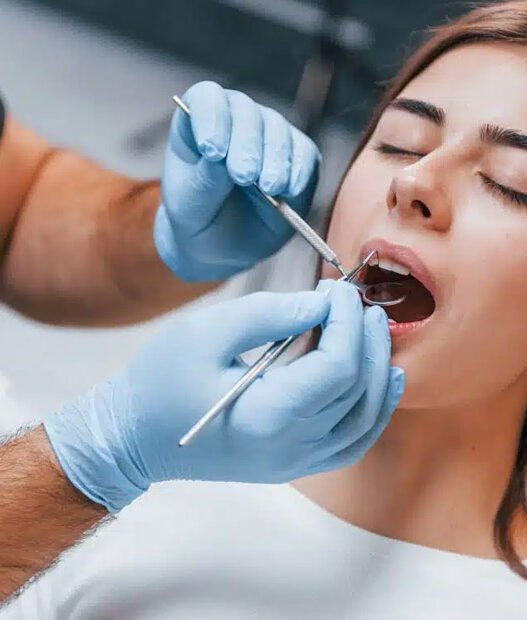
When you schedule an exam, say that you want to talk about restoring health and appearance together. Ask your dentist to walk you through a phased plan. What needs to be done to protect your health first. Then, what can be done to improve how things look. This kind of roadmap can include several of the treatments above, yet spread out in a way that fits your budget and comfort.
- Prepare questions about materials, lifespan, and maintenance
Before you agree to anything, ask specific questions. How long is this likely to last for someone like me. What are the alternatives. How easy will it be to repair or replace in the future. What daily care does it require. Good dentistry is a partnership. Clear questions help your dentist tailor the plan to your life, not just your teeth.
Where does this leave you as you consider your next step?
You do not have to choose between health and confidence. The right mix of veneers, tooth colored fillings, crowns, and implants can repair damage and also give you a smile that feels like you again. General, cosmetic, and restorative dentistry has moved a long way from “just fixing a hole.” It can support your comfort, your appearance, and your peace of mind at the same time.
You deserve to feel at ease when you smile, whether you are in a meeting, at dinner, or taking a quick photo with someone you love. If you are feeling stuck, start with a conversation. Share your concerns, ask your questions, and remember that you are allowed to care about how your teeth look as much as how they function.
Your next step does not need to be big. It just needs to be honest. From there, the right plan can take shape.