You might be feeling a mix of love and worry every time you look at your pet. You want to do the right thing, you keep hearing that spaying or neutering is important, yet the process sounds scary. Surgery, anesthesia, cost, possible complications. It can feel like a lot to carry on your own, and finding the right veterinarian in Gainesville, FL can make the decision feel less overwhelming.
At the same time, you probably sense that doing nothing is not really an option. Maybe your cat is yowling at night, your dog is starting to roam, or you are worried about accidental litters and extra mouths to feed. You are caught between fear of the procedure and fear of what happens if you put it off.
Here is the short version of what you need to know. Spay and neuter programs are one of the strongest tools we have to protect pets, people, and communities, and veterinary hospitals are the safest place for these procedures to happen. They provide trained teams, proper anesthesia, pain control, infection prevention, and follow up care. In other words, they do not just perform surgery, they protect your pet before, during, and after.
So where does that leave you when you are trying to decide what is best for your pet and your family.
Why does spaying or neutering feel so stressful in the first place
It often starts with a simple question. “Should I get my pet fixed now or wait.” Then your mind runs through every worry. You may have heard conflicting advice from friends, social media, or even different professionals. Some people warn you about weight gain. Others mention rare complications. You might also worry about changing your pet’s personality.
Underneath all of that is something very human. You are handing your pet over for surgery, and that means trust. Trust in the people, the facility, and the process. When that trust is shaky, every story you hear about what could go wrong feels louder than the quiet reality of how often these surgeries go right.
There is also the emotional side of reproduction. Some owners feel guilty, as if they are taking something away from their pet. Others grew up hearing that a female should have one litter first, or that males will feel “less” after neutering. Those stories linger, even though modern veterinary medicine paints a different picture.
Because of this tension, you might wonder whether you can cut corners, find the cheapest option, or even delay surgery for years. This is where the role of the veterinary hospital in spay and neuter programs becomes so important.
What really happens in a veterinary hospital during spay and neuter surgery
Think about what you want for your pet during any medical procedure. You want someone who knows your pet’s health history. You want clean equipment. You want safe anesthesia and real pain control. You want someone to notice if anything looks “off” and know what to do about it.
A modern veterinary hospital is built around those exact needs. Before surgery, the team can examine your pet, discuss timing, and run tests if needed. For example, a blood panel can help catch hidden liver or kidney issues that might change the anesthesia plan. This is not about being fancy. It is about reducing risk in a very practical way.
During surgery, trained staff monitor heart rate, breathing, and temperature. They adjust anesthesia instead of using a one size fits all dose. They work in a sterile environment with proper instruments. Infection control is not an afterthought. It is part of every step.
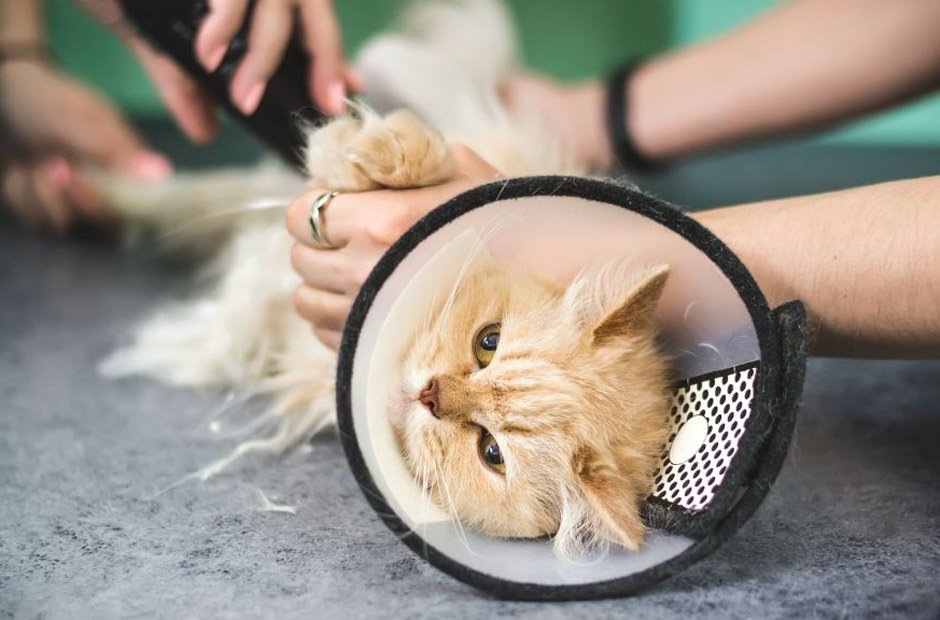
After surgery, there is pain management, wound checks, and guidance about activity and healing. If something does not look right at home, you have a place to call and a team that already knows your animal.
Contrast that with low oversight or informal setups. No medical history. Limited monitoring. Fewer tools if something goes wrong. The difference is not just comfort. It is safety.
When you look at the bigger picture, spaying and neutering also reduces health and behavior risks. Resources like the District of Columbia’s guidance on spaying and neutering your pet explain how these surgeries can help prevent certain cancers and unwanted behaviors like roaming and marking. Fewer escapes and fights mean fewer injuries and less stress for you and your pet.
There is another layer. Healthier, sterilized pets also support public health. The Centers for Disease Control and Prevention share how pet health connects to human health in their information on keeping pets and people healthy together. Fewer stray animals and fewer unplanned litters mean fewer bites, less disease spread, and safer communities.
Spay and neuter decisions are not just medical, they are emotional and financial
Even when you understand the benefits, it is normal to hesitate. You might worry about the cost of a hospital based spay and neuter service. You might wonder if a lower cost clinic is “good enough” or if waiting will somehow be safer.
Here is the hard truth. Waiting often adds risk and cost. A female that is not spayed can develop a life threatening uterine infection called pyometra. Treating that is far more expensive and dangerous than a planned spay. An intact male may roam, get hit by a car, or end up in fights. Emergency care rarely comes cheap.
Recent research, such as a 2024 review on elective gonadectomy available through PubMed Central, shows that the decision can be nuanced. Timing and breed may influence the best approach. This is exactly why having a veterinary hospital team matters. They can talk with you about your specific animal, not just a generic rule.
So how do you compare your options in a clear way, without getting overwhelmed.
Comparing your options for spay and neuter care
Use this as a starting point to think through the tradeoffs. Every situation is unique, yet certain patterns show up again and again.
| Factor | Full service veterinary hospital | Low cost clinic or mobile event |
| Pre surgery evaluation | Complete exam, health history, and optional bloodwork | Quick screening, limited time for questions |
| Anesthesia and monitoring | Individualized dosing and continuous monitoring by trained staff | Standardized protocols, monitoring can be more basic |
| Pain control | Multi step pain management before and after surgery | Pain meds often included, but options may be fewer |
| Infection control | Strict sterilization, controlled environment, follow up checks | Protocols in place, but environment and follow up may be more limited |
| Follow up care | Rechecks, phone support, and continuity with your regular vet | May offer brief follow up, long term care usually elsewhere |
| Cost | Higher upfront, often lower risk of later emergency costs | Lower upfront, possible tradeoffs in personalization and continuity |
Some communities are fortunate to have low cost programs run through or in partnership with spay and neuter veterinary hospitals, which can offer a strong balance between safety and affordability. If cost is your main barrier, asking about these programs is worth your time.
Three concrete steps you can take right now
- Have an honest conversation with a veterinary hospital
Call a local veterinary hospital and say exactly what you are worried about. Cost, anesthesia, age, or breed. Ask how they assess pets before surgery and what their pain control plan looks like. A good team will not rush you. They will explain your options, including timing and any special risks for your particular animal.
- Plan financially instead of waiting indefinitely
If the quote feels high, ask whether they offer payment plans, wellness packages, or referral to reputable low cost programs. Compare that to what an emergency could cost if you delay. Even setting aside a small amount each month with a clear target date can turn a vague worry into a concrete plan.
- Prepare your home and your heart for surgery day
Once you schedule the procedure, ask what you need to do the night before and the week after. Arrange a quiet recovery space, limit jumping, and follow feeding instructions closely. Give yourself permission to feel nervous on surgery day. That feeling means you care, and you are still choosing the option that protects your pet in the long run.
Moving forward with more confidence and less fear
You are not wrong to be anxious about surgery. It is a big decision. Yet you are also not stuck. When you understand why veterinary hospitals are essential in spay and neuter programs, the path becomes clearer. These teams offer more than a quick operation. They offer safety, comfort, planning, and support for both you and your pet.
Spaying or neutering through a trusted veterinary hospital is an act of care, not just for your own animal, but for your wider community. Healthy pets, fewer strays, and fewer emergencies all begin with one informed choice.
Your next step is simple. Reach out to a veterinary hospital you trust, ask your questions, and start shaping a plan that fits your pet, your budget, and your peace of mind.