A family home is more than a place to live. It often represents years of investment, memories, and long-term financial stability. Preserving its value requires consistent care, practical updates, and attention to the features buyers and homeowners notice most. Even small maintenance habits can prevent larger expenses later. By focusing on comfort, efficiency, structure, and curb appeal, homeowners can protect the property while keeping it enjoyable for daily life.
Keep Up With Routine Maintenance
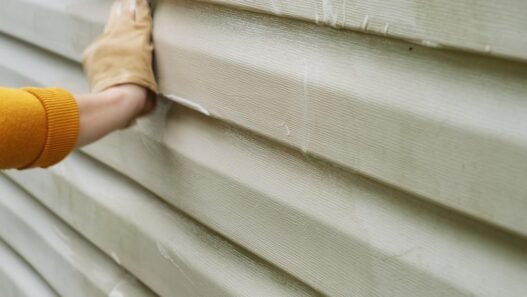
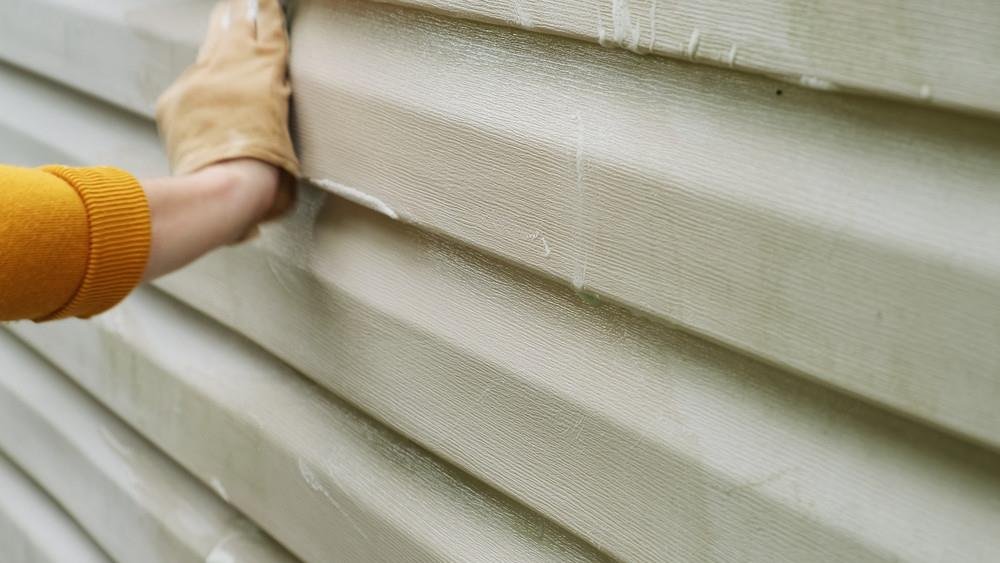
The most reliable way to preserve home value is to address maintenance before small problems become expensive repairs. Leaks, peeling paint, clogged gutters, cracked caulking, and damaged siding may seem minor at first, but they can lead to moisture issues, structural concerns, or visible wear. Regular inspections help homeowners catch those problems early. A well-maintained home also gives future buyers more confidence because it suggests the property has been cared for over time. Maintenance should include both interior and exterior areas. Plumbing fixtures, electrical systems, appliances, windows, doors, and foundation areas all deserve periodic attention. Homeowners should also keep records of repairs, service appointments, and upgrades. Organized documentation can be useful during resale because it shows what has been done and when.
Improve Energy Efficiency
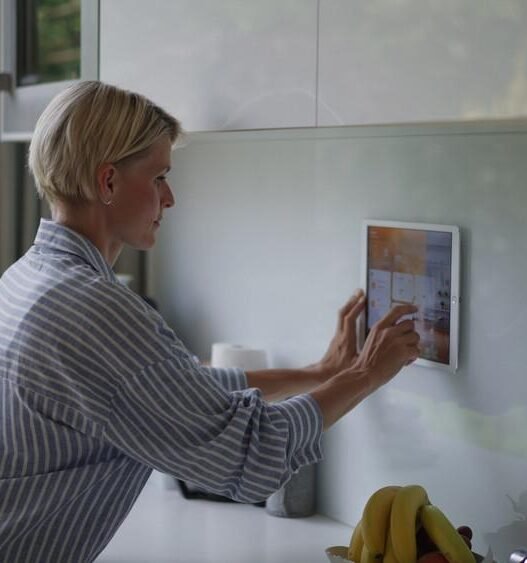
Energy efficiency plays a major role in both comfort and long-term ownership costs. A home with poor insulation, outdated windows, air leaks, or an aging HVAC system may cost more to heat and cool. These issues can also make rooms feel uneven, drafty, or uncomfortable during seasonal changes. Improving efficiency can make the home more livable while helping protect its appeal. According to the U.S. Department of Energy (DOE), heating and cooling make up about 55% of energy use in the average American home. That means HVAC performance, insulation, ventilation, and sealing should be priorities for homeowners who want to manage energy waste. Smart thermostat upgrades, professional HVAC maintenance, attic insulation, and window improvements can all support better performance.
Protect the Roof
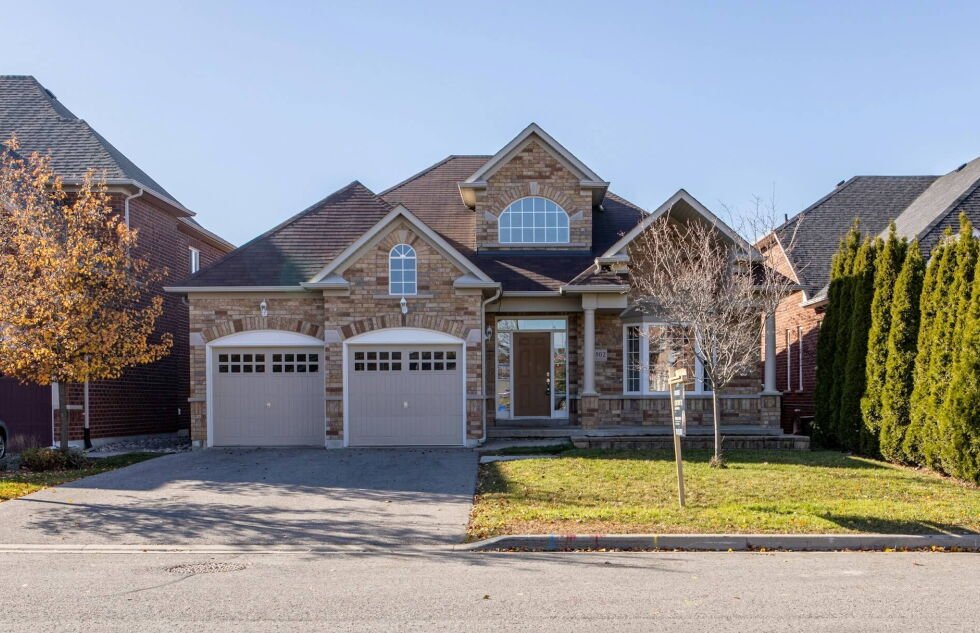
The roof is one of the most important parts of the home because it protects everything beneath it. Missing shingles, damaged flashing, soft spots, sagging areas, and recurring leaks can all reduce property value quickly. Regular roof inspections help homeowners identify issues before water intrusion affects ceilings, walls, insulation, or structural components. A strong roof also contributes to curb appeal because it is one of the most visible exterior features. According to Revive, a new roof can increase a home’s resale value by $12,000 to $15,000, and asphalt roofs may recover about 61% of their cost through added value. While a roof replacement is a major expense, it can also reassure buyers and reduce concerns about future repairs. Homeowners who are not ready for replacement should still prioritize timely repairs and proper maintenance.
Make Outdoor Spaces More Useful
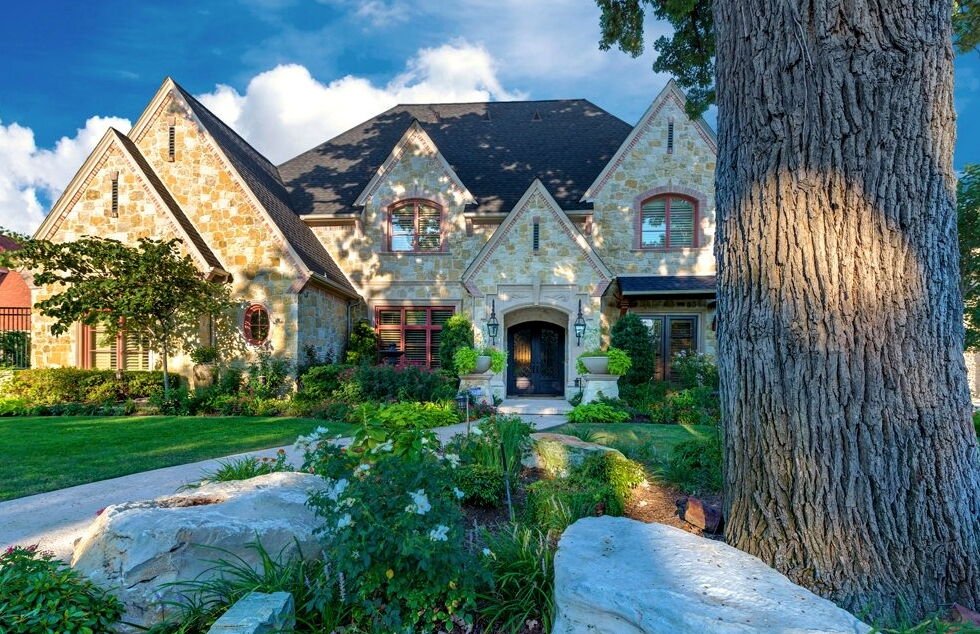
Outdoor living areas can improve how a family uses the property. A patio, deck, walkway, or well-designed seating area can make the yard feel more connected to the home. These spaces support entertaining, relaxing, cooking, gardening, and everyday time outside. They also help define the property in a way that feels intentional and inviting. According to TheHomeMag, patios, decks, and walkways expand outdoor living space and can provide a return on investment of more than 70%. That makes outdoor improvements valuable from both a lifestyle and resale perspective. Durable materials, safe walking paths, proper drainage, and balanced landscaping can make these areas more functional while improving the home’s overall presentation.
Refresh Key Interior Spaces
Interior updates do not always need to be large-scale renovations. Fresh paint, updated lighting, repaired flooring, modern hardware, and clean trim can make a home feel better maintained. Kitchens, bathrooms, living rooms, and entryways often have the strongest effect on how people experience the property. Keeping these spaces clean, functional, and visually current can help preserve long-term appeal. Homeowners should choose updates that fit the character of the home rather than chasing every trend. Neutral finishes, practical storage, durable materials, and good lighting tend to age well. Preserving a family home’s value comes down to consistent care, thoughtful improvements, and a clear focus on the features that protect comfort, safety, and long-term usefulness.