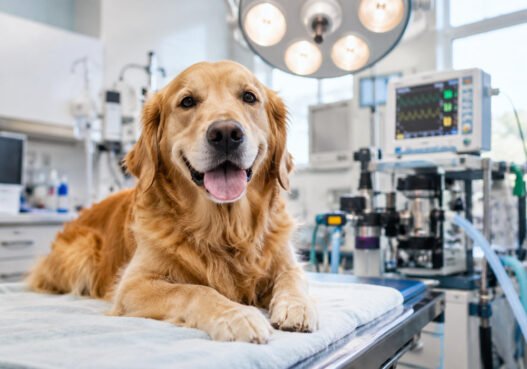
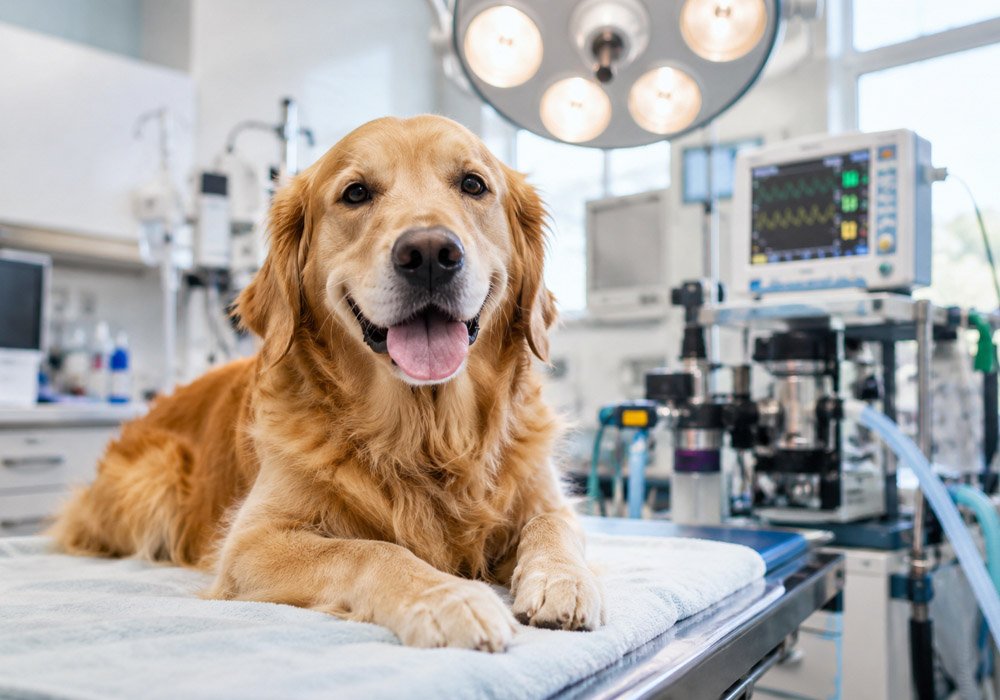
When your pet needs surgery, the fear hits fast. One minute you are watching them limp, stop eating, or struggle to breathe, and the next you are hearing words like mass removal, orthopedic repair, or emergency procedure. That kind of moment leaves most people trying to stay calm while their mind races through every possible outcome, which is why having a trusted veterinarian in Studio City, CA can make all the difference.
The core issue is simple. Surgery is never routine when it is your animal. You want the safest care, the clearest answers, and the best chance for a smooth recovery. That is where advanced surgical services in an animal hospital can make a real difference. Advanced veterinary surgery services often mean stronger diagnostics, better anesthesia support, more precise procedures, and closer monitoring before, during, and after surgery.
Advanced surgical care improves accuracy before the procedure begins
A lot can go wrong when surgery starts with guesswork. If the care team does not have a clear picture of what is happening inside your pet’s body, treatment may be delayed or less precise. That can mean a longer procedure, more tissue disruption, and a harder recovery.
Animal hospitals with advanced surgical services usually pair surgery with imaging, lab work, and specialist evaluation. That matters when a limp turns out to be a torn ligament instead of a sprain, or when a lump needs careful planning because of its location. A board certified surgeon has training that goes beyond general practice, which can be helpful in difficult or high risk cases. You can learn more about what a veterinary surgeon does and why that added expertise matters.
Clear diagnosis leads to a better surgical plan, and a better plan often leads to fewer surprises in the operating room.
Specialized anesthesia support lowers risk during animal hospital surgery
Many pet owners fear the anesthesia more than the surgery itself, and that fear is understandable. Age, breed, heart function, airway issues, and underlying disease all affect how safely a pet can be sedated and monitored.
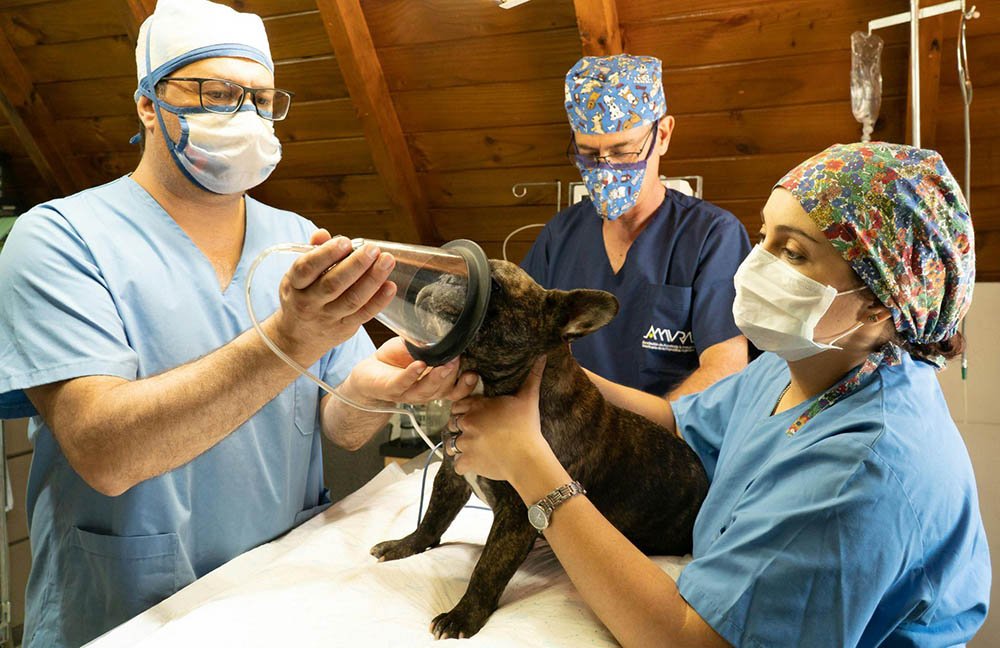
Hospitals with advanced surgical capabilities often have stronger anesthesia protocols, dedicated monitoring equipment, and staff trained to respond quickly if something changes. That can include blood pressure monitoring, oxygen support, pain control, and recovery supervision tailored to the individual patient. Cornell’s anesthesiology service shows how detailed this part of care can be.
This is one of the clearest benefits of advanced surgical services in animal hospitals. The procedure itself matters, but so does every minute your pet is under anesthesia. Safer monitoring can reduce complications and help your pet wake up more comfortably.
Modern surgical techniques can reduce pain and shorten recovery time
Surgery used to mean larger incisions, longer stays, and more discomfort afterward. In many cases, that has changed. Advanced animal hospital surgery may include less invasive techniques, better instruments, and tighter pain management plans.
If your dog needs orthopedic repair or your cat needs a soft tissue procedure, smaller and more precise surgical approaches can limit trauma to surrounding tissue. That often means less swelling, less pain, and a faster return to eating, walking, or resting normally. Recovery is still recovery. There are medications, activity limits, and follow up visits. Still, a well executed procedure with modern support can make the whole process easier on your pet and easier on you.
That matters at home, where you are the one watching every step, checking every incision, and wondering whether that small whine means pain or just frustration.
Advanced surgical services help manage complex and emergency cases
Some conditions are straightforward. Others are not. A swallowed object, internal bleeding, spinal injury, complicated fracture, or tumor near a sensitive structure can move beyond standard surgical care very quickly.
In those moments, access to animal surgical services with broader capability can save time and reduce transfers between facilities. That matters because delays can worsen pain, increase instability, or narrow treatment options. A hospital equipped for emergency and specialty level procedures can often move faster from diagnosis to treatment, which is exactly what you want when your pet’s condition is changing by the hour.
The benefit is not only speed. It is coordination. When surgery, imaging, anesthesia, and hospitalization work together under one roof, care tends to be smoother and more responsive.
Better follow up care supports a safer recovery at home
The operation is only part of the story. Recovery can be the hardest stretch because your pet cannot tell you what hurts, and small changes can feel huge when you are already on edge.
Advanced surgical programs usually include a stronger discharge plan, pain control guidance, recheck scheduling, and clearer instructions on movement, feeding, wound care, and warning signs. That support helps you catch problems early, whether it is swelling, loss of appetite, trouble urinating, or a pet that will not stop licking the incision.
Good follow up care also protects the investment you have already made. Surgery is costly, and complications can add more expense fast. Careful recovery planning lowers the chance of setbacks that lead to repeat visits or revision procedures.
Comparing standard and advanced surgical support in an animal hospital
| Area of Care | Standard Surgical Support | Advanced Surgical Support |
| Pre surgical planning | Basic exam and routine testing | Expanded imaging, specialist review, tailored surgical plan |
| Anesthesia monitoring | General monitoring during procedure | Continuous tracking of blood pressure, oxygen, ventilation, and recovery status |
| Procedure complexity | Best for routine cases | Better equipped for orthopedic, neurologic, oncologic, and emergency cases |
| Pain management | Standard medication approach | Multi layer pain control based on condition, age, and recovery needs |
| Post operative care | Basic discharge instructions | Closer follow up, recovery monitoring, and complication response |
Steps you can take before agreeing to pet surgery
Ask who will perform the procedure. Find out whether your pet’s surgery will be handled by a general veterinarian or a surgeon with advanced training. For complex cases, that distinction matters.
Request a full explanation of anesthesia and monitoring. Ask what pre anesthetic testing is recommended, what equipment is used during surgery, and who monitors your pet from induction through recovery.
Get the recovery plan in writing. You need clear instructions on medications, feeding, activity limits, incision care, warning signs, and when to call if something feels off.
Advanced surgical services give pets and owners more support when it matters most
If your pet has been told they need surgery, you are not overreacting by wanting more information and stronger care. Surgery carries stress, cost, and risk, and those concerns are real. The right animal hospital can ease some of that weight with better planning, safer anesthesia, more precise treatment, and steadier follow up.
When you are weighing options, look closely at the level of surgical support available. The difference can shape not only the procedure itself, but your pet’s comfort, recovery, and outcome.