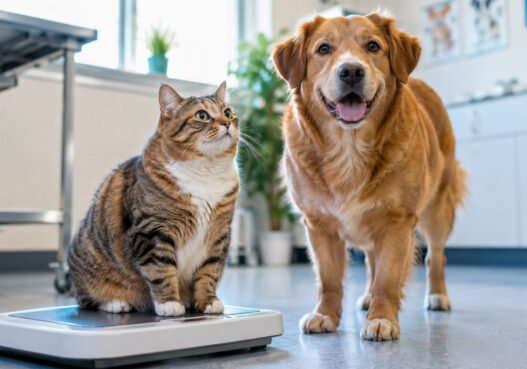
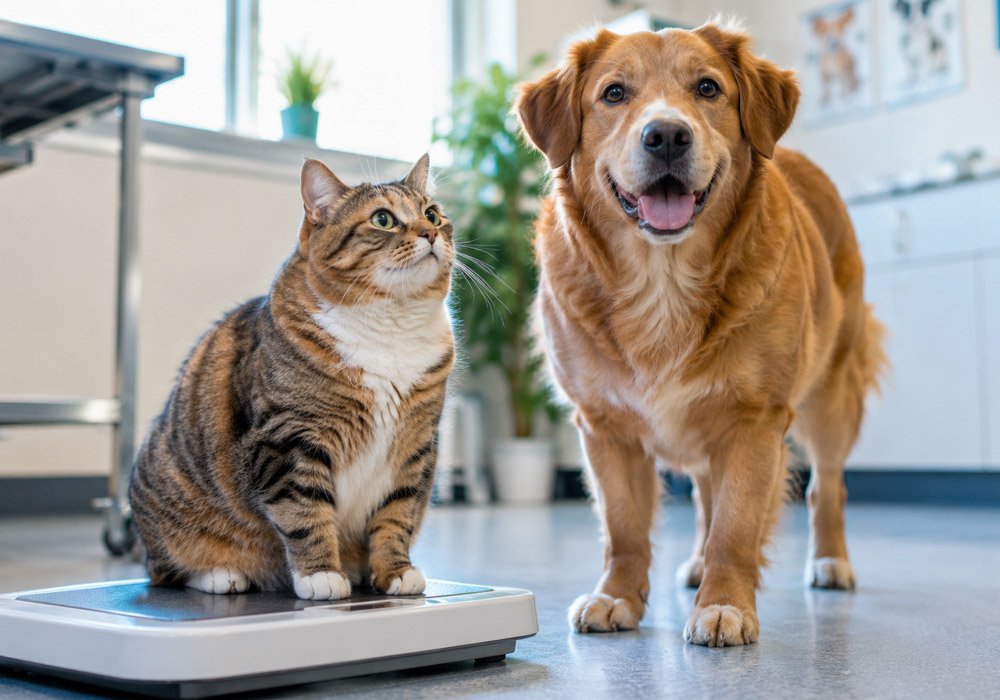
You may have noticed it slowly. Your dog gets tired sooner on walks. Your cat looks rounder than last year, but the change happened in such small steps that it is hard to know when “well fed” became “overweight.” That uncertainty is common, and it can carry a layer of guilt. You love your pet, you want to do right by them, and you do not want to hear that a treat habit or free feeding routine has turned into a health problem. A veterinarian Murrieta, CA pet owners trust can help you assess these changes with compassion and clarity.
That is where general veterinary care matters. A general veterinarian does more than say your pet should lose a few pounds. They track body changes over time, look for patterns, rule out medical causes, and build a plan that fits real life. How general vets monitor weight and obesity in pets comes down to regular weigh-ins, body condition scoring, muscle checks, diet review, and follow-up that catches trouble before it becomes harder to manage.
General veterinarians track pet obesity through patterns, not one number
A single weight does not tell the whole story. Ten extra pounds means something very different in a Labrador than it does in a small terrier. In cats, even a modest gain can shift them into an unhealthy range. General vets look at weight in context. They compare today’s number with prior visits, age, breed, frame size, activity level, and whether your pet has lost muscle while gaining fat.
This is why many clinics use both a body weight and a body condition score. Body condition scoring is a hands-on and visual system that helps a vet judge whether ribs are easy to feel, whether there is a visible waist, and how much fat covers the chest, spine, and abdomen. Some also score muscle condition, because an older pet can look heavy while actually losing strength. That distinction changes the plan.
If your pet seems hungry all the time, begs for food, or acts offended when portions shrink, the problem can feel emotional as much as medical. Owners often get mixed messages from family members too. One person measures food. Another gives table scraps. Someone else fills the bowl “just a little.” Weight creeps up fast in that setting, and it is easy to miss because the pet still seems happy and eager to eat.
Obesity is not just about looks. Extra weight raises the risk of arthritis pain, breathing strain, diabetes, skin trouble, and lower stamina. Cornell’s review of obesity and weight loss in dogs explains how added body fat affects mobility and long-term health. For cats, feeding habits matter just as much as calories, especially in indoor cats with lower activity levels. Cornell’s guidance on feeding your cat outlines how portion control and diet choices shape healthy weight.
Pet weight management at the vet includes screening for hidden causes
Sometimes the issue is straightforward. The pet is getting too many calories and not enough movement. Sometimes it is not. A general vet may recommend lab work or a broader exam if weight gain comes with a big appetite change, low energy, coat changes, or swelling. Endocrine disease, pain, reduced mobility, and some medications can all contribute.
That is one reason home guesses often fall short. You may cut food quickly, your pet becomes miserable, and nothing improves because the real issue is untreated pain or a medical condition. On the other side, waiting too long can make weight loss harder. Fat tissue changes how the body handles energy, and habits become more fixed over time.
The University of Illinois offers clear FAQs on pet obesity that show how common this problem is and why early action matters. General vets use that same logic in the exam room. They do not just react to a heavy scale reading. They monitor trends, ask what the pet actually eats each day, count treats, and look at what changed since the last visit.
Monitoring weight in pets works best when home habits and clinic data match
Monitoring weight in pets is more effective when the clinic and the household are looking at the same facts. If your vet says your dog needs 20 percent fewer calories, but the measuring cup at home is inconsistent, progress stalls. If your cat steals food from another pet, the plan has a blind spot. Good monitoring closes those gaps.
| What General Vets Check | Why It Matters | What You Can Track at Home |
| Body weight at each visit | Shows gain or loss over time | Weekly weight checks if your pet can be weighed safely |
| Body condition score | Measures fat coverage beyond the scale number | Look for a waist and whether ribs are easy to feel |
| Muscle condition | Distinguishes fat gain from muscle loss | Note weakness, slower stairs, or trouble jumping |
| Diet and treat review | Finds hidden calories and feeding errors | Write down all meals, treats, scraps, and chews |
| Medical screening | Rules out disease or pain affecting weight | Report appetite, thirst, energy, and mobility changes |
This is why pet obesity monitoring is an ongoing process, not a one-time warning. The goal is steady improvement that protects muscle, joints, and quality of life.
Small, consistent changes make veterinary weight checks more useful
Measure every calorie source. Use a real measuring cup or a gram scale for food. Count treats, dental chews, training snacks, and table food. Most owners underestimate intake, not because they are careless, but because the extras feel small in the moment.
Ask for your pet’s target weight and body condition score. “Lose some weight” is too vague to act on. A general veterinarian can give you a goal weight range, a daily calorie target, and a timeline that is safe for your pet’s age and health status.
Schedule follow-up before you leave the clinic. Weight loss plans drift when there is no check-in. Rechecks help your vet adjust portions, review progress, and catch problems early, especially if your pet is losing too fast, not losing at all, or seems less active.
General veterinarian support can make weight loss feel manageable
You do not have to figure this out by eye, and you do not have to wait until your pet is struggling to move comfortably. A general veterinarian can turn a vague worry into a clear plan, with real numbers, regular tracking, and changes that your household can keep up with. If your pet’s shape, stamina, or eating habits have changed, now is a good time to book a visit and get a baseline. Early monitoring gives your pet the best shot at a healthier, easier life.